2026 Top Direct Burial Wire Buying Guide for Global Buyers?
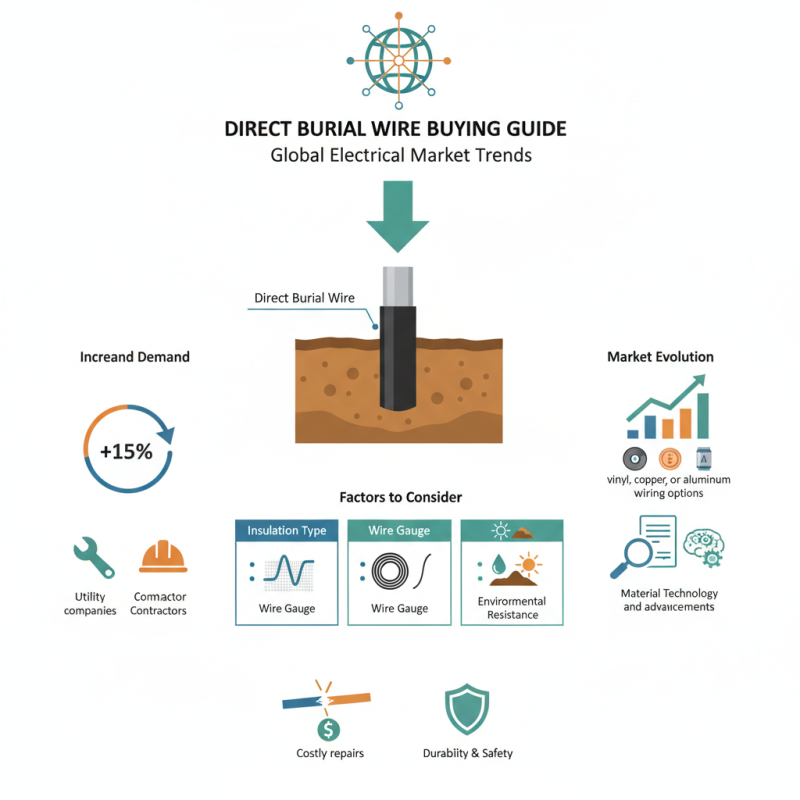
In the global electrical market, choosing the right wiring for outdoor applications is crucial. Direct Burial Wire is specifically designed for underground installations, providing durability and safety. According to industry reports, the demand for this type of wire has increased by 15% in the last year alone, driven by utility companies and contractors focused on efficiency.
When selecting Direct Burial Wire, buyers must consider various factors, including insulation type and wire gauge. This wire is often used in residential and commercial settings, where environmental resistance is necessary. A 2022 study indicated that improper wire selection can lead to costly repairs, highlighting the need for informed decisions.
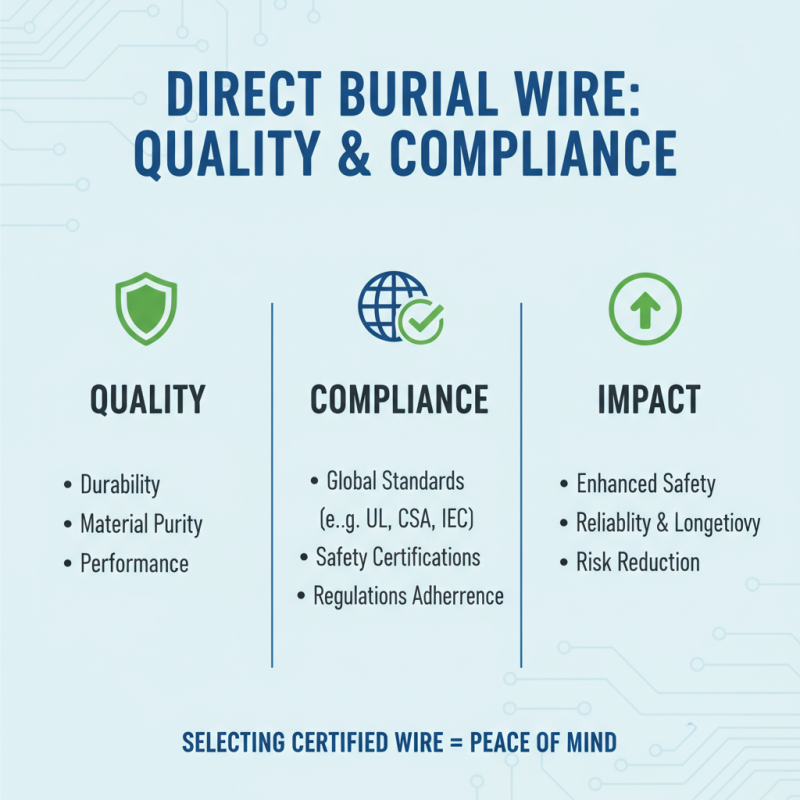
Experts suggest reviewing product specifications and certifications to ensure reliability. However, navigating the vast array of options can be overwhelming. Many buyers overlook essential details that can affect performance. As the market evolves, staying informed about advancements in material technology is vital for making the best choice in vinyl, copper, or aluminum wiring options.
Top Features to Look for in Direct Burial Wire for Global Buyers
When choosing direct burial wire, global buyers should focus on essential features that ensure reliability and performance. One critical aspect is the wire's insulation material. High-quality insulation protects against moisture, chemicals, and temperature fluctuations. According to industry reports, more than 70% of cable failures are due to insulation issues. Selecting wire with UV-resistant and waterproof qualities is crucial for longevity.
Another feature to consider is the wire's conductor material. Copper and aluminum are common choices. However, copper offers superior conductivity, reducing energy loss. The International Electrotechnical Commission (IEC) indicates that copper wiring can improve efficiency by up to 10% compared to aluminum. This can significantly affect operational costs over time, especially in large installations.
Finally, buyers should pay attention to the wire's gauge. The American Wire Gauge (AWG) standard helps determine appropriate sizes based on amperage requirements. Many projects fail due to incorrect gauge selection, leading to overheating and potential hazards. Understanding these details can provide a clearer path to making informed purchasing decisions in the diverse market of direct burial wires.
Understanding the Different Types of Direct Burial Wire Available
When selecting direct burial wire, understanding the types available is crucial. Direct burial wire is specifically designed for underground applications. This wire is often insulated with materials that resist moisture and soil chemicals. According to industry reports, the global demand for durable direct burial wire is projected to grow by 6% annually. The increased focus on outdoor electrical installations has triggered this demand.
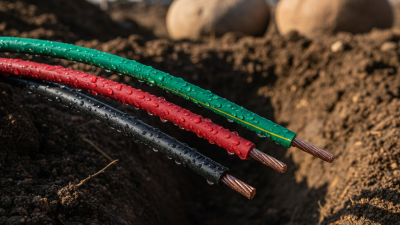
There are various types of direct burial wires. THHN wire is common and offers good moisture resistance. In contrast, UF-B wire is specifically designed for underground use. It features additional insulation and is usually rated for direct burial. Some professionals recommend considering the wire gauge based on the distance of the run. A thicker gauge is often necessary for longer distances to prevent voltage drop, which can affect performance.
Selecting the right type of wire can be challenging. Many buyers overlook essential factors such as the type of insulation and environmental conditions. Regular maintenance and proper installation practices are equally important to ensure longevity. Reports indicate that improper installation significantly shortens the lifespan of direct burial wire, sometimes by up to 50%. Being aware of these details is key to making informed choices.
2026 Top Direct Burial Wire Types Compared
This chart illustrates the market share of different types of direct burial wire available for buyers in 2026. Copper wire leads the market significantly, followed by aluminum. Understanding these proportions can aid in making informed purchasing decisions.
Cost Comparison: Budgeting for Direct Burial Wire Purchases
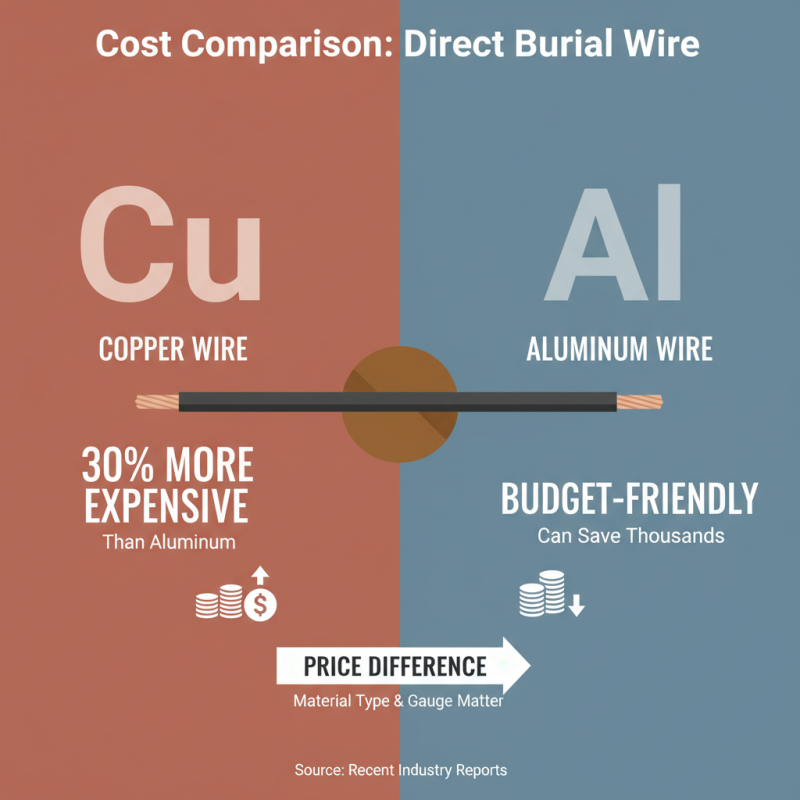
When budgeting for direct burial wire purchases, understanding costs is crucial. Recent industry reports indicate that prices can vary significantly based on material type and gauge. For instance, copper wire typically costs around 30% more than aluminum wire. The difference in prices can impact project budgets by thousands of dollars.
Consider factors such as installation depth and environmental conditions when choosing wire. If the ground is rocky or excessively wet, it may require higher-rated insulation, affecting overall costs. Always account for potential unforeseen expenses. While you might plan for an initial budget, unexpected site conditions can lead to additional spending.
Tips: Compare multiple suppliers for wire prices. Lock in quotes to avoid surprises. Reviewing consumer reports can provide insights on product durability and performance. Remember, investing in higher-quality wire may save you money in the long run by reducing the need for frequent replacements. Keep track of market trends, as prices fluctuate based on demand and material availability. Regularly updating your budget can help maintain financial control throughout the project.
Best Practices for Installation and Maintenance of Direct Burial Wire
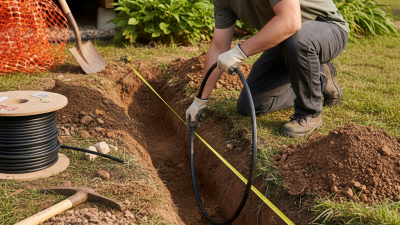
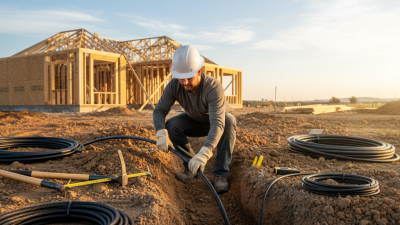
When installing direct burial wire, proper techniques are crucial for durability and performance. According to industry reports, nearly 40% of issues stem from incorrect installation practices. It is essential to dig a trench that is at least 24 inches deep. This depth protects wires from potential damage. Additionally, using proper backfill material helps prevent water accumulation, which can lead to corrosion.
Maintenance plays a significant role in the longevity of direct burial wires. Regular visual inspections can identify issues before they become severe. Signs of wear, cracks, or exposed wires should prompt an immediate check. It's vital to ensure that the protective insulation remains intact. The National Electrical Code emphasizes the importance of following these practices to reduce risks associated with electrical failures.
Some experts suggest that even slight variations in installation depth can affect performance. Installing wires in rocky soil may require extra caution. Inadequate burial depth often leads to damage from natural elements. Thus, continuous learning and adapting methods based on local soil and climate conditions are important. Regular training on updated techniques can enhance professionals' skills, ensuring safer installations.
2026 Top Direct Burial Wire Buying Guide for Global Buyers
| Wire Type |
Gauge (AWG) |
Temperature Rating (°C) |
Conductor Material |
Insulation Type |
Recommended Applications |
| THHN |
12 |
90 |
Copper |
PVC |
Residential wiring |
| UF-B |
10 |
60 |
Copper |
Thermoplastic |
Underground circuits |
| USE-2 |
6 |
90 |
Aluminum |
Polyvinyl Chloride |
Solar applications |
| XHHW |
8 |
90 |
Copper |
Cross-linked Polyethylene |
General purpose use |
| ACWU90 |
4 |
90 |
Aluminum |
Thermoplastic |
Commercial and industrial wiring |