2026 Top Single Conductor Wire Applications and Benefits?
In the world of electrical wiring, Single Conductor Wire stands out for its versatility. As noted by industry expert John Smith, “Single Conductor Wire revolutionizes connectivity.” This statement captures its importance across various sectors.
The application of Single Conductor Wire is extensive. It finds critical use in robotics, automotive, and industrial machinery. In robotics, for instance, it ensures precise control and reliable communication between components. However, challenges remain, such as compatibility with different materials.
Benefits abound, yet they are not without pitfalls. Single Conductor Wire is lightweight and easy to install. It offers excellent electrical performance, reducing energy loss. Still, users must consider installation errors that can lead to inefficiencies. Evaluating these factors is essential for maximizing the advantages of Single Conductor Wire.
Overview of Single Conductor Wire Characteristics
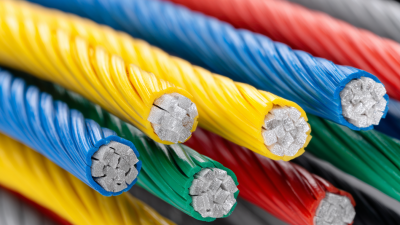
Single conductor wires are essential in various applications, particularly in electrical and electronic systems. These wires are characterized by a single conductive path, allowing for efficient transmission of electricity. With a diameter that can range widely, they can handle different current levels. A recent study indicates that the global market for single conductor wire is projected to reach $4 billion by 2026, driven by their increasing use in renewable energy applications.
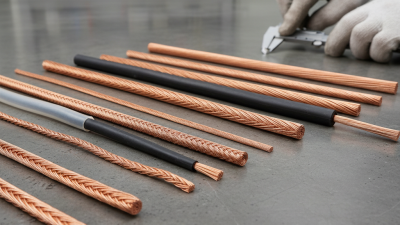
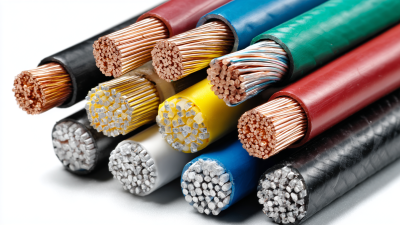
The characteristics of single conductor wires make them versatile. They are often made from copper or aluminum. This choice of material contributes to their superior conductivity. For instance, copper has about 60% better conductivity than aluminum. Additionally, these wires can be insulated with various materials, offering protection in different environments. However, the selection of insulation is crucial. Using the wrong type can lead to overheating or even failure in some conditions.
Despite their advantages, there are challenges in using single conductor wires. Installation errors can result in significant inefficiencies. Moreover, wires must be correctly sized to ensure optimal performance. A poorly chosen gauge might lead to voltage drops or even safety hazards. Awareness of these factors is essential as the industry grows and evolves.
Key Applications of Single Conductor Wire in Various Industries
Single conductor wire plays a crucial role in various industries, thanks to its versatility and efficiency. In the automotive sector, it is often used for wiring harnesses. These wires can withstand extreme temperatures and vibrations. Their lightweight design also helps improve fuel efficiency. However, there could be standardization issues that some manufacturers face.
In the construction industry, single conductor wire is essential for electrical installations. It provides reliable connections in lighting and power systems. With fewer strands to manage, installation becomes simpler and faster. Yet, it’s common to see different conductivity ratings that may affect project outcomes. Hence, proper specification is vital.
The telecommunications sector also benefits from single conductor wire applications. These wires facilitate high-speed data transmission. Their physical properties ensure minimal signal loss over distances. However, not all installations are flawless, and interference can occur. Regular maintenance and testing are important for performance.
Benefits of Using Single Conductor Wire Over Multi-Conductor Alternatives
Single conductor wires present distinct advantages over multi-conductor alternatives. They are often simpler to install and maintain. Their design reduces the chances of crosstalk, which can be a problem with multi-conductor setups. In applications where signal integrity is critical, single conductor wires shine. They help ensure that your connections remain clear.
When considering a project, think about the environment. Is it humid or dry? Single conductor wires are usually more robust in adverse conditions. They can withstand harsher elements, providing stability over time. This can reduce the need for frequent replacements.
Tips: Always check the gauge of the wire. A thicker wire carries more current. Pay attention to the insulation type. The right insulation can enhance durability. Choosing the correct wire can make all the difference in performance.
However, there are challenges. Single conductor wires may require more installation effort. Each wire needs to be routed carefully. This can be time-consuming. Reflect on whether the benefits outweigh the installation complexity. Every project has its unique needs.
Factors to Consider When Selecting Single Conductor Wire
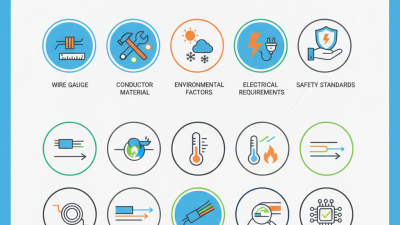
When selecting single conductor wire, several factors come into play. The wire's gauge is important. Thicker wires can carry more current. However, they are also heavier and less flexible. Consider the space where the wire will be installed. Tight spaces may require thinner wires. Also, flexibility is key. A stiff wire may not fit well in certain applications.
Temperature rating is another critical factor. Wires are designed to operate within specific temperature ranges. A wire that overheats can become dangerous. Review the environment where the wire will be used. Extremes of heat or cold can affect performance.
Tips: Always check the wire's insulation type. Different materials offer various levels of protection. This can influence durability and safety. Remember, some wires may require more care during installation. Mistakes can lead to issues later. Aim for quality over quantity in your selection process.
Future Trends in Single Conductor Wire Technology and Innovations
Single conductor wires are evolving rapidly. Innovations focus on efficiency, durability, and adaptability. Reports suggest that the global single conductor wire market will exceed $54 billion by 2026, with demand rising from sectors like renewable energy and electric vehicles. Significant improvements in materials are contributing to this growth.
One emerging trend is the use of advanced polymers. These materials can enhance conductivity while being lighter and more flexible. The integration of smart technologies is also a key focus. Wires are becoming more capable of data transmission, leading to smarter electrical systems. However, challenges remain. Not all manufacturers can keep pace with these advancements, leading to inconsistencies in quality.
Furthermore, environmental impacts are under scrutiny. The shift towards sustainable practices in wire production is necessary. Reports indicate that 25% of the market is still reliant on traditional methods. This reliance may hinder overall progress. As the industry aims for greener solutions, balancing innovation with responsibility will be crucial.