Top Benefits of Direct Burial Copper Wire for Your Projects?
When it comes to underground electrical installations, choosing the right materials is crucial. One option that stands out is Direct Burial Copper Wire. This type of wire offers significant advantages for various projects. Its construction makes it highly durable against environmental factors, ensuring long-lasting performance.
The benefits of Direct Burial Copper Wire go beyond mere longevity. It provides excellent conductivity, which is essential for efficient power transmission. Many professionals recommend this wire for its reliability in outdoor applications. However, like any product, it comes with challenges that need consideration. Installation might require careful planning to avoid future issues.
Understanding the unique qualities of Direct Burial Copper Wire can elevate project outcomes. While it excels in numerous aspects, every choice has trade-offs. Reflecting on these pros and cons will help you make informed decisions for your wiring needs.
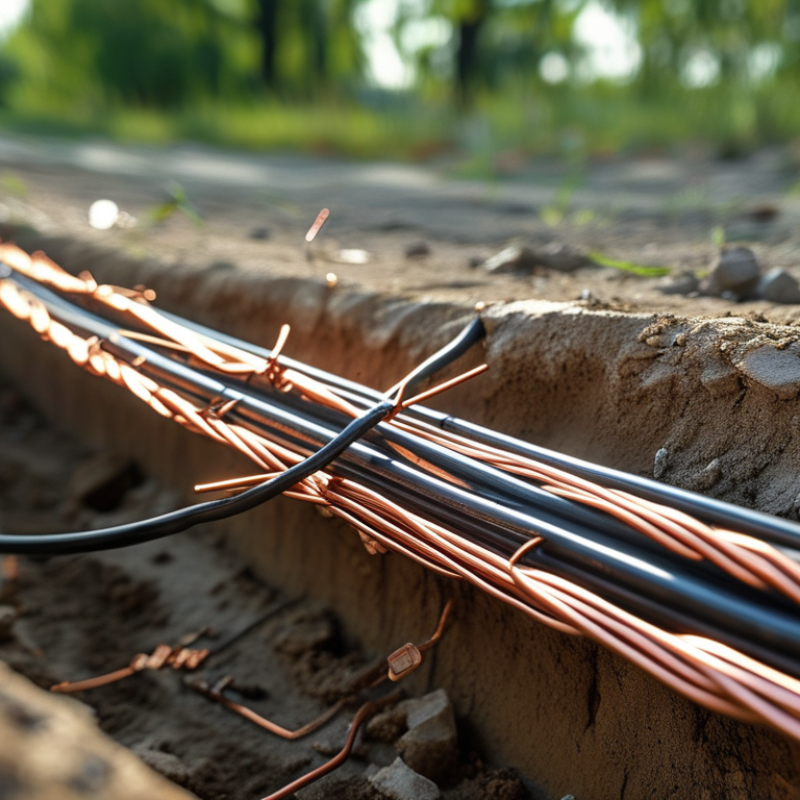
Top Benefits of Direct Burial Copper Wire for Your Projects
When it comes to electrical projects, choosing the right wiring is crucial. Direct burial copper wire offers several key benefits. This type of wire is specifically designed for underground applications. It is usually insulated and robust, making it suitable for various environments.
According to the National Electrical Manufacturers Association (NEMA), copper wire has a higher conductivity than aluminum. This enhances efficiency and reduces potential energy loss. Projects using direct burial copper tend to see fewer failures due to corrosion and water damage. Reports suggest that copper wiring accounts for nearly 70% of recommended wiring for outdoor applications.
Direct burial copper wire is versatile. It's ideal for both residential and commercial use. Installation can be straightforward, but attention to depth and surrounding conditions is necessary. Ensuring proper burial depth is crucial to avoid damage. Occasionally, project managers might face challenges like soil contamination or moisture. These factors can affect performance. Hence, proper planning is essential to maximize the wire's lifespan.
Cost-Effectiveness of Direct Burial Copper Wire vs. Other Wiring Options
Direct burial copper wire is increasingly seen as a cost-effective solution in electrical projects. Unlike traditional wiring systems, it does not require additional conduit or protective casings. This reduction in materials leads to significant cost savings. Additionally, the installation process is straightforward. Fewer components mean less labor, translating to lower overall project expenses.
When comparing direct burial copper wire to alternatives, the financial benefits become evident. While some wiring options may seem cheaper upfront, they often have hidden costs, such as maintenance and replacement issues. Copper wire is durable, and its longevity reduces the long-term expenses associated with repairs. However, it’s essential to consider local soil conditions. In some environments, factors like moisture can affect wire performance.
Not all installations will be perfect. There can be challenges in ensuring the proper depth during burial, and mistakes can lead to additional costs. It’s vital to verify installation depth and ensure compliance with local codes. These details can make a significant difference over time. Investing in quality materials pays off, but attention to detail is crucial for successful implementation.
Durability and Longevity: How Direct Burial Copper Wire Stands the Test of Time
When considering materials for underground electrical projects, direct burial copper wire emerges as a top choice. Its durability and longevity are exceptional. This wire can withstand harsh weather conditions, which makes it ideal for long-term installations. With proper installation, it resists corrosion, ensuring a steady performance over years.
For optimal results, it’s essential to pay attention to burial depth. Ensure the wire is at least 24 inches deep to protect it from accidental damage. Additionally, using a proper conduit in high-traffic areas is beneficial. This adds an extra layer of protection without compromising wire function.
Another consideration is thermal performance. Copper wire efficiently conducts electricity, reducing energy loss. However, in extreme temperatures, insulating the wire can enhance longevity. It’s crucial to keep in mind that, while copper is sturdy, installation mistakes can lead to future issues. Regularly check your installations for wear and tear. This proactive approach can prevent costly repairs down the line.
Resistance to Environmental Factors: The Superiority of Copper Wire in Direct Burial
Direct burial copper wire offers remarkable resistance to environmental factors. Its design empowers it to withstand moisture, temperature fluctuations, and soil acidity. Unlike other materials, copper wire maintains conductivity even when exposed to harsh conditions. This reliability makes it a preferred choice for underground installations.
Choosing the right copper wire is crucial. Not all copper wires are created equal. It's essential to consider the wire gauge for your specific project requirements. Additionally, proper insulation is vital to prolong the lifespan of the wire. Avoiding corrosion is key. Look for wires with protective coatings when selecting your materials.
While copper wire excels in durability, it's not without challenges. Installation can be tricky. Ensure that the burial depth meets local codes. Despite its benefits, high costs can deter some budget-conscious projects. Balancing quality with budget is a common concern. Remember, investing in quality materials can save you money on long-term repairs and replacements.
Electrical Conductivity and Efficiency: Benefits of Using Copper Wire Underground
Direct burial copper wire is an exceptional choice for underground electrical projects. Its electrical conductivity is superior to many alternatives. This means it can effectively carry large amounts of current with minimal energy loss. Such efficiency becomes crucial in applications where power usage is key. Using copper wire also reduces the risk of overheating, making it safer for installations directly in soil.
When planning your project, consider the depth of burial. Different soils can impact the wire's performance. Moist conditions may corrode certain types of insulation. It’s essential to choose wire with appropriate insulation specifically designed for underground use. Always follow local codes to ensure safety and compliance.
A helpful tip is to use a measuring tool to gauge the burial depth accurately. Keep an eye on potential obstacles like tree roots or rocks. Planning ahead can save time and effort during installation. Regularly inspect the connections during maintenance checks. This helps identify any issues early on, ensuring a long-lasting, efficient setup.
Conclusion
Direct Burial Copper Wire offers numerous advantages for various projects, making it an ideal choice for those seeking cost-effective and reliable wiring solutions. Compared to other wiring options, Direct Burial Copper Wire is highly durable and long-lasting, ensuring it can withstand harsh environmental conditions without significant degradation. Its excellent resistance to moisture, temperature fluctuations, and corrosive elements further enhances its superiority for underground applications.
Additionally, the electrical conductivity and efficiency of Direct Burial Copper Wire promote better performance in electrical systems, reducing energy losses and improving overall efficacy. Following proper installation best practices ensures optimal performance and longevity, making this wiring choice a practical investment for any underground project. By choosing Direct Burial Copper Wire, you secure a dependable solution that meets both economic and technical requirements.