What are the Benefits of Using XLPE Cable in Your Projects?
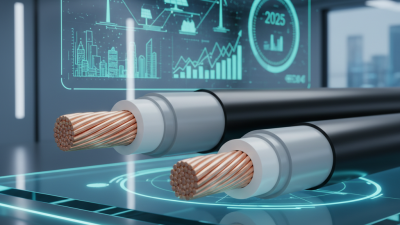
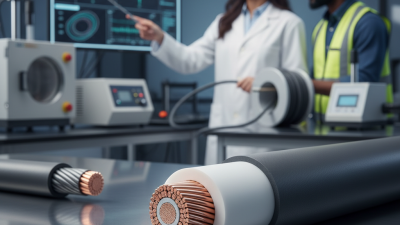
In recent years, the use of XLPE cable has gained significant attention in various industries. XLPE, or cross-linked polyethylene, offers a unique set of advantages that can enhance project efficiency and safety. This type of cable is known for its excellent thermal resistance and electrical insulation properties. Projects that involve heavy electrical loads can particularly benefit from XLPE cables.
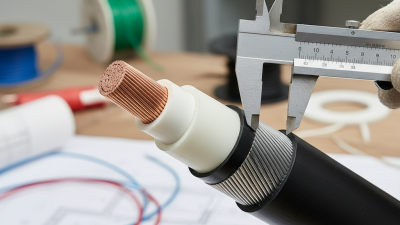
One noteworthy feature of XLPE cable is its durability. Its resistance to moisture and chemicals helps ensure longevity in challenging environments. However, it’s essential to consider installation practices and material compatibility to maximize its benefits. Professionals in electrical engineering often recognize the significance of proper management to avoid potential failures.
Furthermore, XLPE cables have better performance ratings than traditional cables. Their reduced energy loss can lead to cost savings. This is critical in large-scale applications where efficiency is paramount. Despite these advantages, some engineers still face installation challenges. Awareness of these factors can lead to improved project outcomes. Emphasizing the value of XLPE cable in your projects is not just about its attributes; it's about informed decision-making and responsible usage.
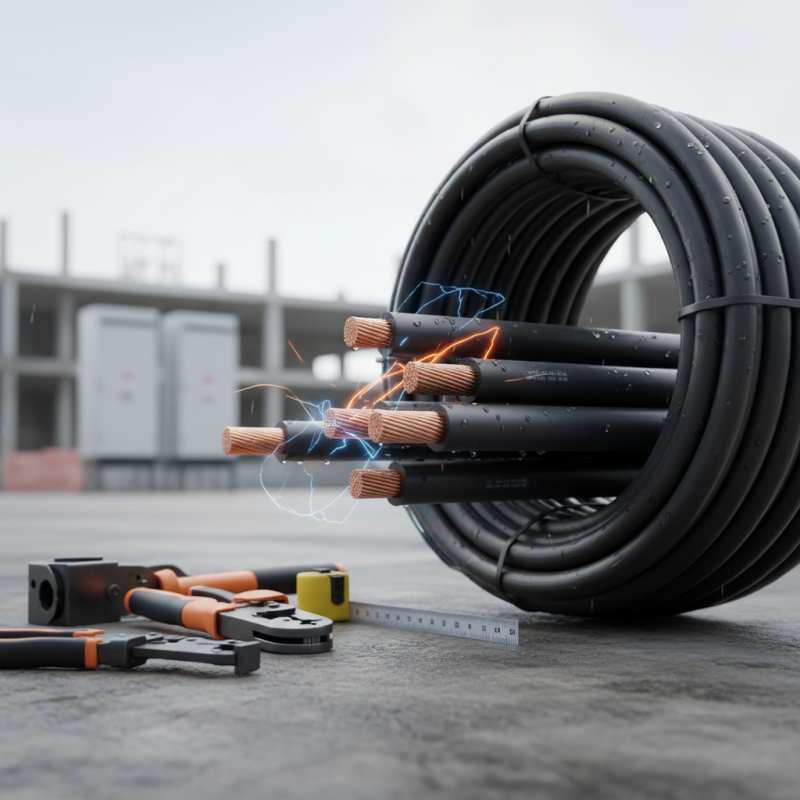
Overview of XLPE Cable and Its Applications
XLPE cable, or cross-linked polyethylene cable, has gained widespread popularity in various applications due to its excellent properties. This type of cable is known for its high thermal resistance and mechanical strength. Reports indicate that XLPE cables can withstand temperatures up to 90°C continuously, making them suitable for high-demand environments. The insulation material significantly reduces energy losses, ultimately enhancing efficiency in electrical systems.
In power distribution, XLPE cables excel particularly well. The International Electrotechnical Commission (IEC) notes that these cables can carry higher current ratings than traditional PVC cables. This capability allows for using lighter and more compact installations. Industries such as renewable energy use XLPE cables for connecting solar panels and wind turbines. They resist moisture, chemicals, and even fire, further improving safety in critical applications.
However, despite their advantages, there are considerations to reflect upon. XLPE cables are generally more expensive than traditional options, which may deter some projects. The installation process requires skilled personnel to handle the material appropriately. Improper handling could lead to performance issues. Therefore, it’s essential for engineers and contractors to understand the full implications of their choices.
Superior Insulation Properties of XLPE Cable
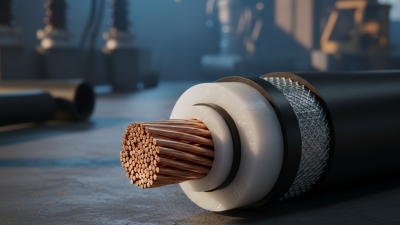
XLPE cable, or cross-linked polyethylene cable, is gaining attention in various projects due to its superior insulation properties. The material exhibits excellent resistance to heat, moisture, and chemicals. According to a report from the International Electrotechnical Commission, XLPE cables can operate at temperatures up to 90°C, significantly better than conventional PVC cables. This thermal resilience contributes to reduced risk of failure in demanding environments.
In addition to thermal resistance, XLPE cables show exceptional dielectric strength. Research indicates that XLPE's dielectric properties make it less susceptible to electrical breakdown. This is crucial in high-voltage applications, where reliability is non-negotiable. Data from the IEEE confirms that XLPE insulated cables can maintain their performance in diverse environmental conditions, ensuring long-term functionality.
An interesting consideration is the eventual impact of XLPE on our waste management systems. While the cable provides extended lifespan and durability, less attention is often given to its end-of-life recycling. This raises questions about sustainability in the electrical industry. Projects using XLPE must also consider strategies for disposal or recycling to align with environmental goals. The conversation around longevity needs to balance with responsible usage and end-of-life solutions.
Benefits of Using XLPE Cable in Your Projects
| Benefit |
Description |
| Superior Insulation |
XLPE cables provide excellent electrical insulation which helps reduce energy losses. |
| Thermal Stability |
XLPE can withstand high temperatures, making it suitable for various applications. |
| Chemical Resistance |
Resistant to many chemicals, enhancing durability in harsh environments. |
| Low Water Absorption |
Minimizes water infiltration, which helps maintain electrical integrity. |
| Flexibility |
Provides greater flexibility in installation, especially in tight spaces. |
| Lightweight |
Lighter than other types of cables, reducing transportation and installation costs. |
Enhanced Durability and Longevity of XLPE Cable
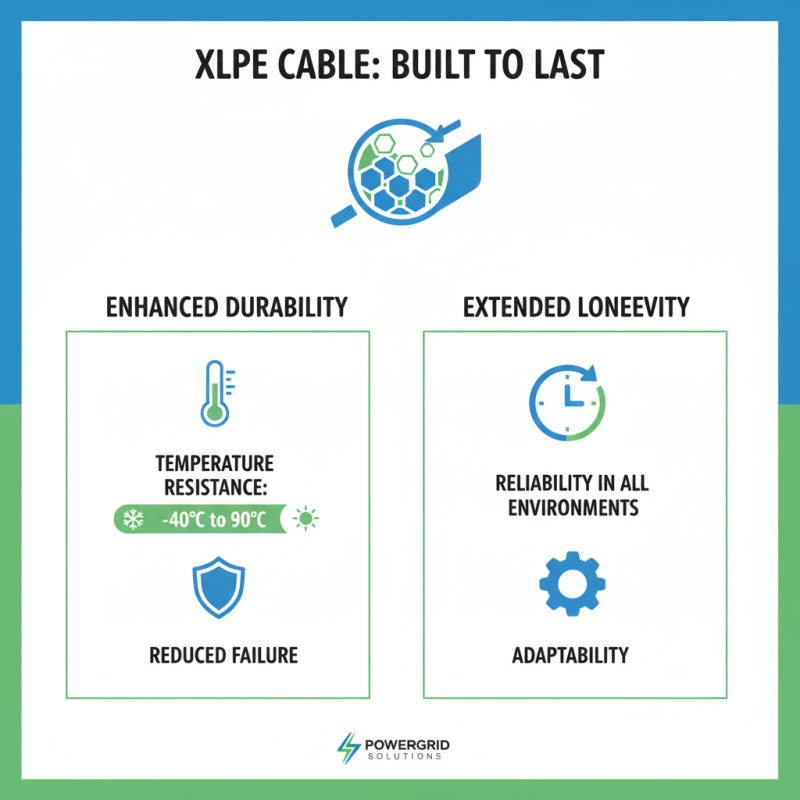
XLPE (cross-linked polyethylene) cable is gaining traction in various applications due to its enhanced durability and longevity. Industry reports indicate that XLPE cables can withstand temperature extremes from -40°C to 90°C. This broad temperature tolerance ensures reliability in diverse environments, reducing the likelihood of cable failure.
Durability is a defining characteristic of XLPE cables. They are resistant to moisture, chemicals, and UV radiation. A study highlighted that XLPE cables have a life expectancy of over 40 years with proper installation and maintenance. This longevity reduces the need for frequent replacements. Consequently, this not only curbs project costs but also minimizes the environmental impact. However, installing XLPE cables requires adequate training, as improper techniques may lead to issues later.
Despite their advantages, some users report challenges when working with XLPE cables. They can be less flexible than other materials, complicating installation in tight spaces. Therefore, careful planning is essential. Ensuring compatibility with existing infrastructure is critical for optimal performance and longevity. Overall, while XLPE cables present significant benefits, achieving their full potential requires attention to detail in installation and application.
Cost-Effectiveness of XLPE Cable in Project Implementation
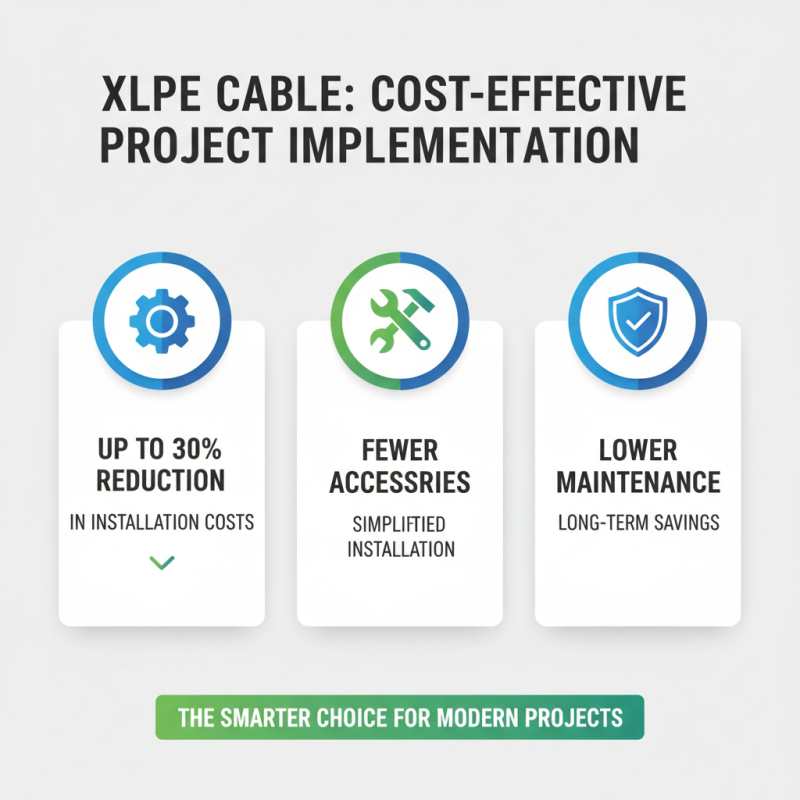
XLPE (cross-linked polyethylene) cable is increasingly favored in various construction and electrical projects, thanks to its cost-effectiveness. Studies indicate that XLPE cables can reduce installation costs by up to 30% compared to traditional materials. Various projects find that these cables require fewer accessories and less maintenance, enhancing long-term savings.
Moreover, XLPE cables possess excellent thermal resistance and electrical performance. A report from the International Electrotechnical Commission reveals that these cables maintain lower electrical losses, thereby increasing efficiency. For instance, using XLPE can lower the rate of heat buildup, which mitigates potential overheating issues during operation. Projects using XLPE often see a more straightforward installation process, thus further minimizing labor costs.
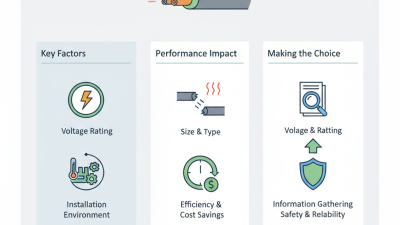
Tip: When selecting cables, consider the long-term benefits of efficiency and durability to maximize your budget. Assessing the lifecycle costs is crucial. The initial price might not reflect the overall value over the project's duration. Evaluate both installation and operational phases for a comprehensive understanding. Additionally, consult with suppliers to ensure reliable materials are chosen, as this decision significantly impacts overall costs and project success.
Environmental Benefits of Using XLPE Cable
XLPE (cross-linked polyethylene) cable is becoming a popular choice in various projects. One of its significant advantages is its
environmental benefits. Unlike traditional cable insulation materials, XLPE is more eco-friendly. It contributes less to the greenhouse gas emissions during production and has a lower carbon footprint. This can play a role in
sustainable infrastructure development, which many modern projects aim to achieve.
Moreover, XLPE cables exhibit excellent resistance to environmental stressors. They are less prone to degradation from
UV radiation and moisture. This longevity reduces the frequency of replacements. Ultimately, projects can
minimize waste and conserve resources. Additionally, the reduced energy loss in XLPE cables leads to lower operational emissions, supporting a greener energy grid.
While these benefits are substantial, challenges remain. The production process of XLPE materials still requires energy and raw materials. There is ongoing debate about
balancing eco-friendliness and performance. However, advancements in recycling techniques are improving the sustainability of XLPE cable in the long run.
Striving for a balance should remain an ongoing discussion among industry players.