2026 Best Household Wire Options for Your Home Needs?
Choosing the right household wire is crucial for any homeowner. As electrical expert Linda Johnson emphasizes, "The right wire can transform your home’s safety and efficiency." In 2026, the options for household wire can be overwhelming. However, understanding your specific needs can lead to better decisions.
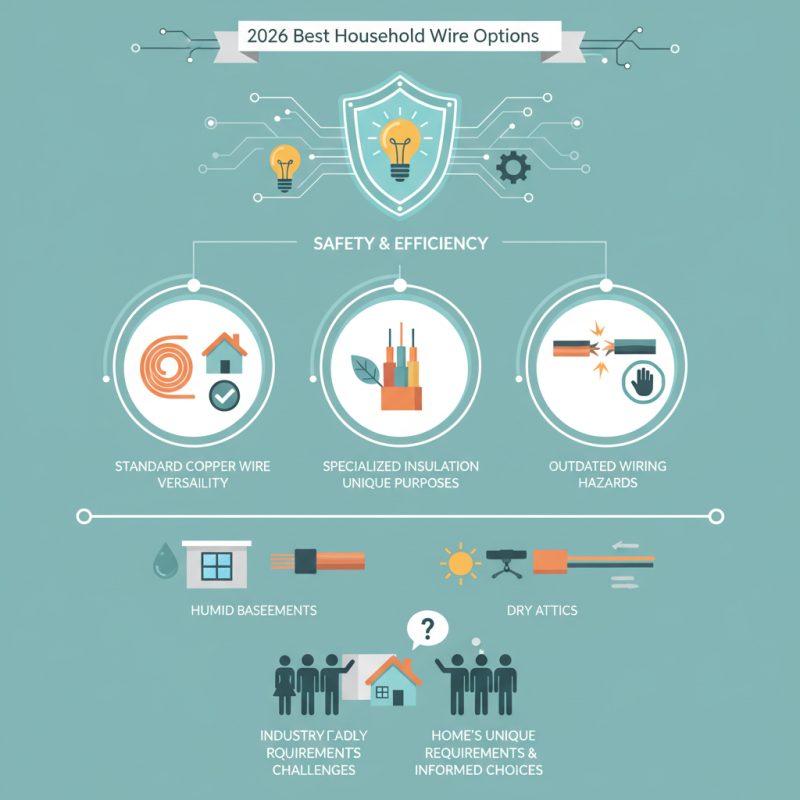
There are various types of household wires to consider. From the standard copper wire to specialized insulation materials, each serves a unique purpose. Selecting the wrong type may lead to future complications. Some homeowners neglect updates, thinking old wiring suffices. They often overlook the dangers of outdated wires, which can become a hazard.
Not all wires are created equal. Homeowners should evaluate the environments where they install household wires. For instance, different wires work better in humid basements versus dry attics. Insight from industry professionals can aid in making informed choices. As we explore the best household wire options for your home needs in 2026, it’s vital to reflect on your home’s unique requirements and potential challenges.
Types of Household Wires: Understanding Your Options
When it comes to household wiring, there are several types to consider.
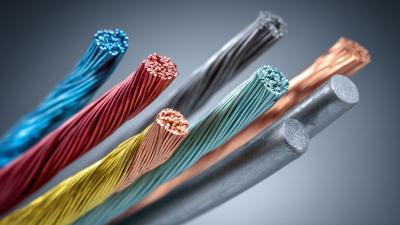
There are different types that serve a specific purpose and have unique features. Common options include
non-metallic sheathed cable (romex), conduit, and low-voltage wire.
The right choice depends on your project and home needs.
Non-metallic sheathed cable is versatile and easy to install.
It is ideal for general use in indoor wiring. However, ensure this type can meet your electrical requirements.
Sometimes, using conduit provides added protection for your wires. It can be a better choice in basements or garages.
Tip: Always consult local codes before starting work.
They can dictate what type of wire is permitted for different areas.
Low-voltage wire is commonly used for security systems and outdoor lighting. Installing this wire can be tricky.
You must ensure proper connections to avoid future issues.
Tip: Use connectors designed for low-voltage applications.
They make the installation process cleaner and more reliable.
It's essential to choose the right wire for your home. A little research can go a long way.
Be mindful that incorrect wiring can lead to safety hazards.
Always take your time when selecting options.
Safety Standards and Regulations for Household Wiring
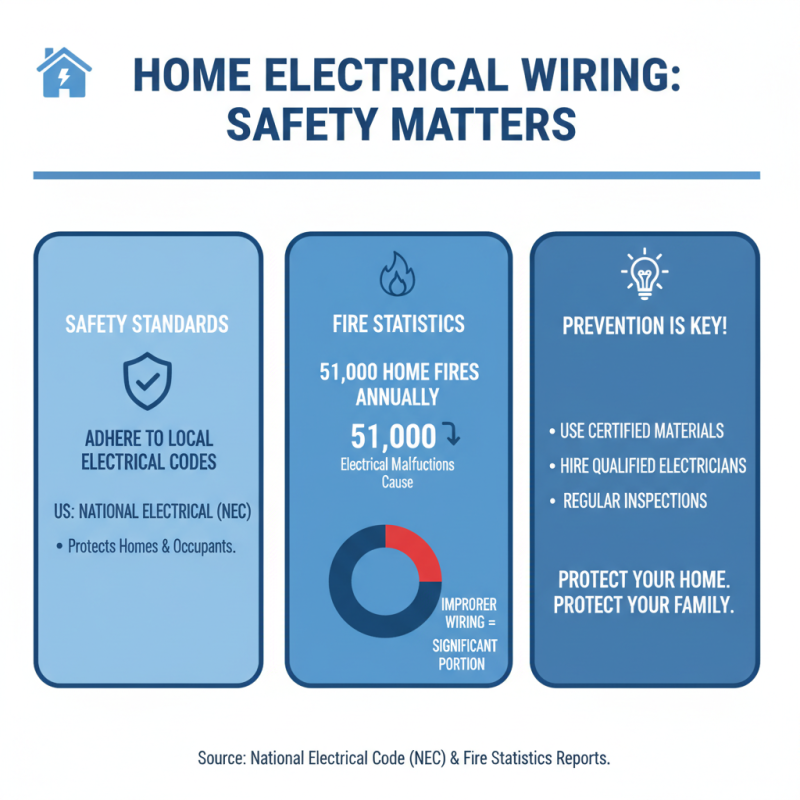
When selecting household wire options, safety standards and regulations are crucial. Numerous reports emphasize the importance of adhering to local electrical codes. The National Electrical Code (NEC) in the U.S. sets standards that protect both residences and occupants. Recent statistics indicate that nearly 51,000 home fires annually result from electrical malfunctions. It’s alarming to note that improper wiring accounts for a significant portion of these incidents.
Homeowners must ensure that wires meet safety regulations. Using wires with the correct gauge is vital. A wire that is too thin can overheat, leading to potential fire hazards. According to a recent analysis, nearly 40% of homeowners either updated or installed wiring in the last five years. Nonetheless, many still overlook local regulations. This gap in knowledge may lead to dangerous situations.
It’s essential to consider insulation ratings and heat resistance. Different wires serve different purposes. For instance, indoor and outdoor wiring has different requirements. Always check if the wire is rated for your specific application. Moreover, ongoing education is necessary. Many DIY enthusiasts may misinterpret guidelines. Continual learning is key to avoiding mistakes that may compromise safety.
Factors to Consider When Choosing Wire for Home Projects
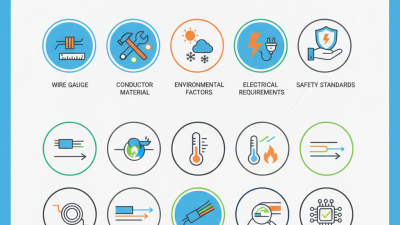
Choosing the right wire for your home projects can be tricky. Factors such as wire gauge, insulation type, and application are vital. The wire gauge affects the amount of current that can safely pass through. A lower gauge means a thicker wire, which can handle more current. You must consider your specific needs before making a decision.
**Tips:** Always check local codes. They might dictate the types of wire you can use. Using the wrong gauge can lead to dangerous situations.
Insulation is another essential factor. Different types protect against moisture, heat, and other elements. If you're working in a damp area, opt for moisture-resistant insulation. If your project is outdoors, UV-resistant options are crucial. Choosing the incorrect insulation can undermine safety.
**Tips:** Test insulation durability where possible. This can save time and trouble later on.
Think about the wire’s purpose. Is it for lighting, appliances, or outlets? Each category has standard requirements. Understanding these needs will help you select the best option. Some projects may seem straightforward but can reveal complexities you need to address. Pay attention to the details. Ignoring them could lead to issues.
Comparing Material Types: Copper vs. Aluminum Wire
When choosing wire for home needs, material type plays a crucial role. Copper and aluminum are the two most common options. Copper wire is well-known for its excellent conductivity. It has a conductivity rating of 95% IACS (International Annealed Copper Standard). This makes it ideal for short-distance wiring, where efficiency is key. Its high durability ensures longevity in installations.
Aluminum wire, on the other hand, weighs less and costs significantly less than copper. Its conductivity is approximately 61% of copper's. This difference impacts performance, especially in longer runs. Aluminum is prone to connections loosening over time, leading to safety hazards. Also, it requires larger gauge sizes to match copper's performance, which complicates installation.
In a study by the National Electrical Contractors Association, the failure rates for aluminum connections were notably higher than those for copper. This raises concerns for homeowners considering cost over safety. Each material has strengths and weaknesses, which requires careful assessment based on specific needs.
Best Practices for Installation and Maintenance of Household Wires
When it comes to household wiring, proper installation and maintenance are crucial. A study by the National Fire Protection Association indicates that over 50% of home electrical fires result from improperly installed wiring. It’s essential to follow best practices to minimize such risks. First, ensure that wires are adequately rated for the load they will carry. Using under-rated wires can lead to overheating and potential fire hazards.
Regular inspections of household wiring can prevent issues. Over time, wear and tear or exposure to moisture can damage wires. A report from the Electrical Safety Foundation International suggests that 30% of homeowners do not check their electrical systems often enough. Check for frayed insulation or exposed wires at least once a year. If you notice any damage, it may require immediate attention from a qualified electrician.
Additionally, maintain clear access to electrical panels and outlets. Many homeowners store items against panels, which can obstruct air circulation. This is a common oversight. Keeping the areas around wiring components clear can enhance safety. Even simple habits, like not overloading outlets, can make a significant difference. Remember that a proactive approach can help in achieving a safer home environment.
2026 Best Household Wire Options
This bar chart illustrates the performance ratings of different types of household wires based on key metrics such as conductivity, flexibility, and insulation properties. The data reflects average performance scores out of 10.