Best Water Pump Cable Options for Global Buyers?
The demand for efficient water supply solutions is escalating globally. One of the critical components is the Water Pump Cable. According to a recent report by Market Research Future, the global water pump cable market is projected to grow at a CAGR of 5.2% between 2023 and 2030. This indicates a rising need for durable and reliable cables that can withstand harsh environments.
Industry expert Dr. Emily Carter states, "Choosing the right Water Pump Cable is crucial for ensuring the longevity and efficiency of pump systems." Her insights highlight the importance of selecting cables that not only meet international standards but also consider local conditions. For instance, cables need to be waterproof, resistant to chemicals, and capable of handling various temperatures.
Buyers face challenges in identifying the right options for their specific needs. Not all cables are created equal. Some may fail under extreme conditions, leading to costly downtime. It’s essential for global buyers to conduct thorough research and consult experts before making decisions. Understanding the specifications and benefits of different Water Pump Cable types can significantly influence operational efficiency and sustainability.
Types of Water Pump Cables Available in the Global Market
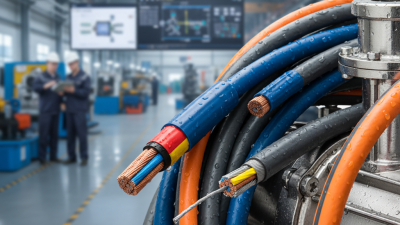
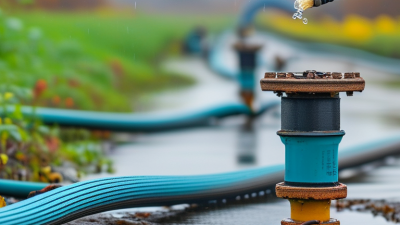
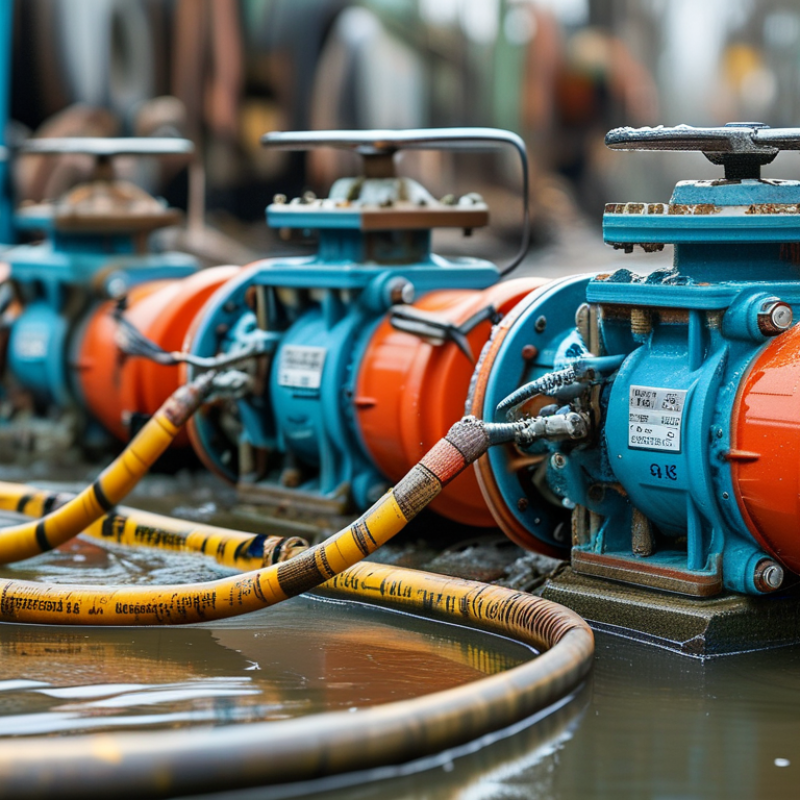
When considering water pump cables, various types are available in the global market. These cables come in different materials, sizes, and insulation types to meet diverse needs. For instance, some cables are designed for submersible pumps. They are often made with high-quality rubber or thermoplastic materials. These ensure water resistance and durability. This design is crucial in preventing electrical hazards in wet environments.
In addition to submersible options, there are also surface water pump cables. These are commonly used for agricultural or industrial applications. Their construction often involves robust materials that withstand harsh weather conditions. Safety features like double insulation can help improve reliability. However, not all surface cables maintain high standards. Buyers must evaluate their specs carefully. This requires knowledge of electrical requirements and environmental factors.
Many cables are offered in various lengths, wire gauges, and conductor types. Each configuration serves specific applications. Still, it’s essential to consider power loss over long distances. Some users may overlook this aspect, which can result in inefficiencies. Choosing the right type often requires close attention to detail and understanding the application’s needs. Overall, informed decisions lead to safer and more efficient pump operations.
Key Features to Consider When Choosing Water Pump Cables
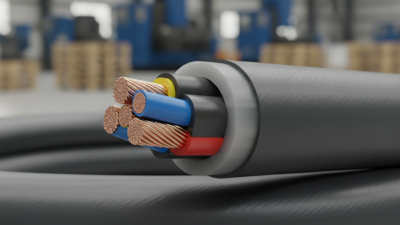
When selecting water pump cables, several key features matter. The cable's gauge or thickness affects its ability to conduct electricity efficiently. A thicker cable generally carries more current without overheating. This is crucial for pump performance and longevity, especially in demanding environments. Seek cables designed for your specific pump’s power requirements.
The insulation material is another important aspect. Quality insulation protects against moisture and chemical exposure. Look for UV, heat, and abrasion-resistant properties. This can prolong the lifespan of the cable. Failure to consider insulation may lead to premature cable failure and unsafe conditions.
Tips for buyers: Check the temperature rating of the cable. Higher ratings indicate resilience in difficult conditions. Ensure the cable length fits your installation needs but avoid excessive lengths to minimize voltage drop. Always prioritize cables that meet safety standards, as this guarantees reliability and compliance with regulations.
Best Water Pump Cable Options for Global Buyers
This bar chart displays the voltage rating for various American Wire Gauge (AWG) sizes commonly used in water pump cables. Understanding these specifications is crucial for global buyers to ensure they select the appropriate cable for their specific water pumping needs.
Top Brands for Water Pump Cables and Their Global Availability
Selecting the right water pump cable is crucial for optimal performance. Global buyers seek options that meet their specific needs. Various brands offer solutions designed for different applications. Many manufacturers emphasize durability and efficiency, aiming to cater to various environments. A reliable cable withstands moisture, heat, and wear over time. Users must consider both the technical specifications and suitability for their project.
When exploring brands, availability varies widely. Some companies dominate specific regions while having limited presence elsewhere. Researching local suppliers can yield better options. Trade shows and online platforms often highlight emerging brands. However, evaluating the quality of lesser-known brands requires caution. It is essential to check user reviews and seek samples if possible.
Buyers should reflect on their choices. Overlooking essential details can lead to operational issues down the line. Compatibility with existing systems is vital. A water pump cable may work well in one scenario but fail in another. Understanding environmental factors and cable characteristics ensures better longevity and performance. It’s important not to rush the decision-making process.
In addition to the above considerations, incorporating modern technology in cable design can enhance functionality. Innovations like weather resistance and integrated monitoring systems are becoming more common, offering consumers critical insights. As the market evolves, staying informed about the latest developments can provide a competitive edge.
Comparative Analysis of Water Pump Cable Prices Across Regions
When examining the prices of water pump cables globally, significant regional disparities emerge. A recent industry report indicates that the average price of water pump cables in North America is approximately 20% higher than in Southeast Asia. This difference can be attributed to various factors, including manufacturing costs, import tariffs, and local demand. For instance, the rising raw material costs in North America can inflate prices, making them less competitive compared to those in regions with lower production expenses.
Moreover, the European market presents another interesting comparison. A survey showed that Eastern Europe has cable prices that are about 15% lower than Western Europe. This variation is influenced by differences in labor costs and infrastructure investments. Many buyers may overlook these factors when sourcing cables, leading to potentially significant cost savings if they explore suppliers in regions with favorable pricing structures.
Price fluctuations also hint at the need for a strategic approach. Decisions based solely on upfront costs may overlook quality and longevity in performance. Buyers should consider the trade-offs between lower-priced cables that might require earlier replacements and higher-priced options that ensure durability. This complex landscape suggests a need for careful evaluation and reflection on purchasing strategies.
Safety Standards and Certifications for Water Pump Cables Worldwide
When selecting water pump cables, safety standards and certifications play a crucial role. Different regions have specific guidelines that ensure the safe operation of electrical systems. For instance, in North America, the National Electrical Code (NEC) sets the benchmark for electrical wiring. Similarly, IEC standards are widely accepted in Europe and other international markets. Understanding these standards helps buyers make informed decisions.
Additionally, not all manufacturers adhere to these standards. This can lead to serious risks, such as short circuits or fires. Buyers must be vigilant and verify certifications before purchasing. Choosing cables with clear labeling can guide you toward safer options. It is important to consult with professionals if you are unsure.
While many resources are available, it can be overwhelming. Sometimes consumers might prioritize price over safety, only to regret the decision later. Conducting thorough research and asking the right questions can prevent such pitfalls. It is essential to weigh quality against cost effectively.