China Best Braided Copper Ground Wire Benefits and Uses?
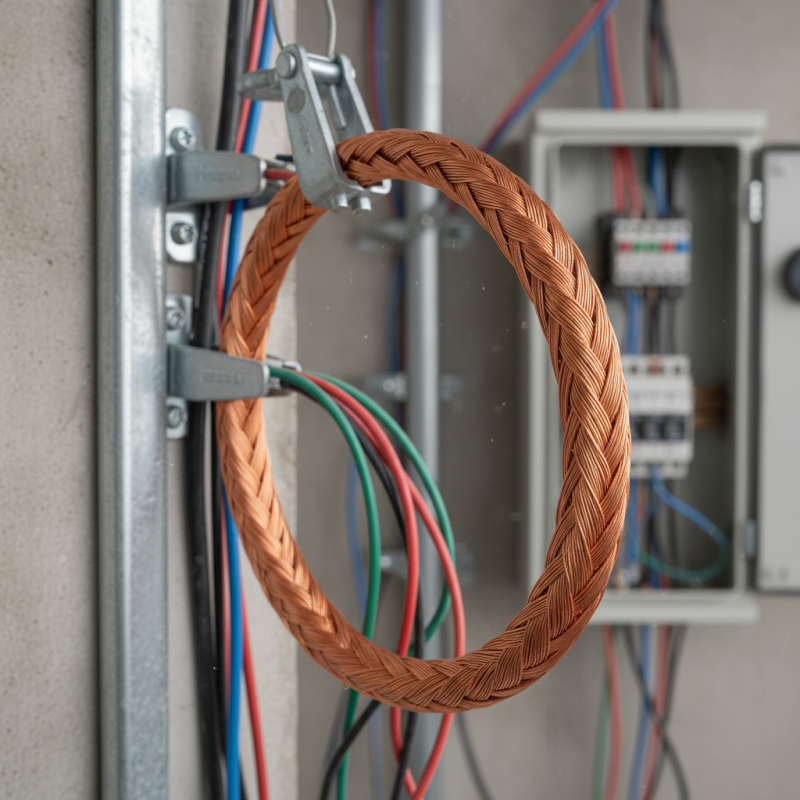
Braided Copper Ground Wire is essential in electrical systems. Its flexibility and durability make it a preferred choice. This wire serves multiple purposes, ensuring safety and efficiency.
In construction, Braided Copper Ground Wire provides superior grounding. It minimizes electrical interference and enhances system reliability. The braided design allows easy handling in various environments. This is particularly beneficial for complex installations.
However, there are challenges. Some users may overlook proper installation techniques. This can lead to decreased effectiveness. It's crucial to regularly inspect the wire for wear and tear. Acknowledging these aspects ensures optimal performance.
Benefits of Using Braided Copper Ground Wire in Electrical Applications
Braided copper ground wire is gaining attention in electrical applications. Its design offers numerous advantages. This wire features multiple strands of copper. The flexibility allows for easier routing in tight spaces. It can withstand harsh conditions effectively.
The main benefit is its excellent conductivity. Copper is known for efficient electron transfer. This property reduces electrical resistance. Consequently, it minimizes energy loss. Enhanced protection can be achieved too. Braided wire forms a larger surface area. This helps to safely disperse ground currents.
Tips: Check for proper insulation. It prevents issues related to moisture. Inspect connections regularly for tightness. Loose ends can lead to failures. Always wear protective gear when handling wires. Safety should be top priority.
Braided copper ground wire also adapts well. It can fit various applications, from residential to industrial. Its resilience against corrosion makes it long-lasting. However, improper installation can lead to grounding failures. Proper training and attention are crucial for success.
Comparative Analysis of Braided vs. Solid Copper Ground Wires
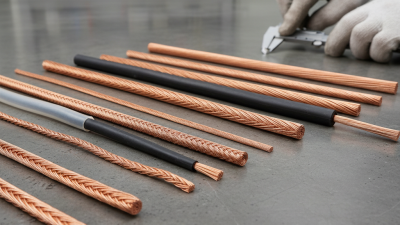
When considering grounding solutions, braided and solid copper ground wires each offer distinct advantages. Braided copper wires consist of multiple strands, providing flexibility and ease of installation. Their design allows for better surface contact, resulting in improved conductivity. On the other hand, solid copper wires, while more rigid, may not match this conductivity due to their singular structure.
Tips: When choosing between braided and solid copper wires, think about the installation environment. A flexible wire can adapt better to tight spaces. However, if durability in an exposed area is your priority, solid wires might be more suitable.
Braided wires often excel in applications where movement occurs. This is crucial in dynamic environments. Solid wires provide a robust connection in static applications. Consider your specific needs. If you frequently change setups, braided wires could save time and effort. Reflect on how often you’ll need to adjust your grounding system and choose accordingly. Each option has its drawbacks, so weigh them carefully.
Comparison of Braided vs. Solid Copper Ground Wires
Key Technical Specifications of Braided Copper Ground Wire
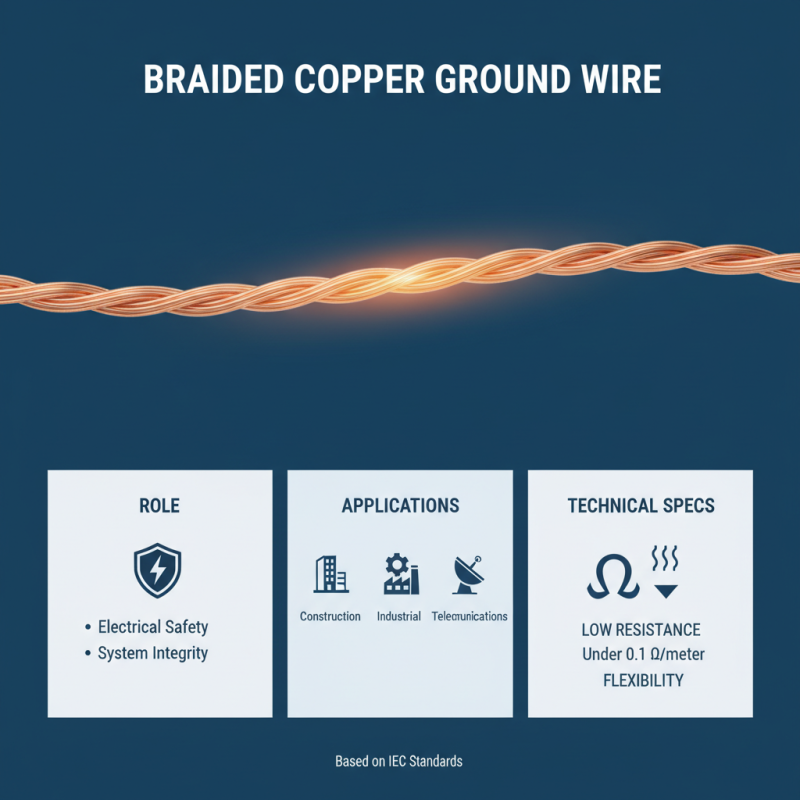
Braided copper ground wire plays a vital role in grounding systems, ensuring electrical safety and system integrity. Its flexibility makes it ideal for various applications, including construction, industrial settings, and telecommunications. According to the International Electrotechnical Commission (IEC), grounding systems require wires with low resistance to prevent electrical failures. Braided copper ground wire typically boasts a resistance of under 0.1 ohms per meter, ensuring effective grounding.
The wire's technical specifications are crucial for its effectiveness. Most braided copper ground wires feature a standard cross-section area of 6 mm² to 25 mm², depending on the application. This size provides sufficient conductivity while maintaining flexibility for installation. Furthermore, the thermal rating for braided copper wire can exceed 90°C, which is essential in maintaining performance in extreme conditions. However, users must consider the potential for oxidation over time, which can hinder performance. Regular inspection and maintenance can mitigate this issue.
In some applications, the braided design allows for better flexibility and durability. However, this can also make installation more challenging, especially in tight spaces. Adopting proper installation techniques is essential for optimal performance. Awareness of these challenges can lead to more effective use of braided copper ground wire in various projects.
Industry Standards for Braided Copper Ground Wire Usage
Braided copper ground wire is crucial in various applications. It provides reliable electrical grounding and has superior conductivity. Industry standards outline its usage to ensure safety and efficiency. Compliance with these standards is essential for installations in commercial and residential settings.
Key standards regulate wire diameter, material quality, and tensile strength. These guidelines help prevent electrical hazards. A robust ground wire minimizes the risk of electrical shock and equipment damage. However, not all installations meet these requirements. Some may use light-duty wires, compromising safety and performance.
Proper installation is also vital. Incorrectly connected ground wires can lead to failures. Users must acknowledge the importance of ongoing maintenance. Regular inspections can identify wear or corrosion, which may result in unsafe conditions. Following industry standards is a commitment to safety.
Common Applications of Braided Copper Ground Wire in Electrical Systems
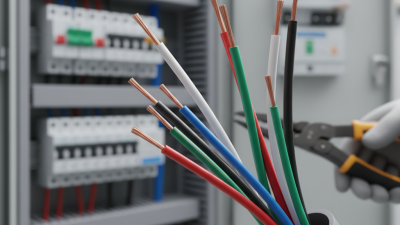
Braided copper ground wire plays a crucial role in electrical systems. It offers excellent conductivity, reducing resistance. This feature helps in providing a stable ground connection. The flexibility of braided copper makes installation easier in tight spaces. It can be used in residential and commercial buildings alike.
Common applications include connecting electrical panels to grounding rods. It also serves in telecommunications, ensuring safety from surges. Braided wires are often used for grounding heavy equipment as well. This ensures that in case of faults, any excess current flows safely to the ground.
However, using braided ground wire is not without challenges. Proper handling and installation techniques are essential. Inadequate grounding can result in failures. Grounding connections must be regularly inspected. Over time, corrosion may occur, compromising performance. These factors underscore the necessity for diligence.