China Top Three Phase Armoured Cable Suppliers?
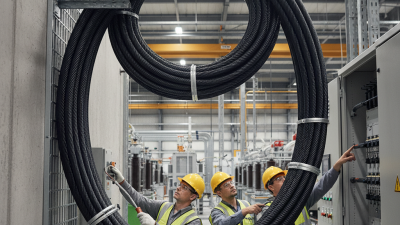
Three Phase Armoured Cable is becoming more important as electrification expands across factories, infrastructure projects, renewable plants, and commercial buildings. The International Energy Agency reported that global electricity demand is expected to grow strongly through 2026. This growth increases pressure on distribution systems, especially where cables face moisture, impact, heat, and crowded installation routes.
Industry reports from Grand View Research identify construction, power transmission, and industrial expansion as major drivers of the global armored cable market. However, many reports combine low-voltage, medium-voltage, single-core, and multi-core products. They do not always isolate Three Phase Armoured Cable data. That limitation matters. Buyers should not treat broad market forecasts as direct proof of product suitability.
Dr. John Cadick, an electrical safety engineer and author, has emphasized a practical principle: “Electrical safety depends on correct design, installation, and maintenance.” His point applies directly to armored power cables. A cable may look robust, yet incorrect gland selection, poor earthing, or excessive bending can create serious operational risks.
This guide examines leading China-based suppliers through measurable criteria. These include conductor quality, insulation systems, armor construction, factory testing, certification, export experience, and technical support. Relevant standards may include IEC 60502-1, IEC 60332, and project-specific national requirements. Factory visits and sample testing remain valuable. Websites can be polished. Cables still need evidence.
Price alone can mislead. A cheaper drum may involve higher installation losses, weaker documentation, or limited after-sales support. The strongest supplier is not always the largest. It is the one that consistently matches cable design, site conditions, compliance needs, and long-term reliability.
Three-Phase Armoured Cable Types, Uses, and Industry Standards
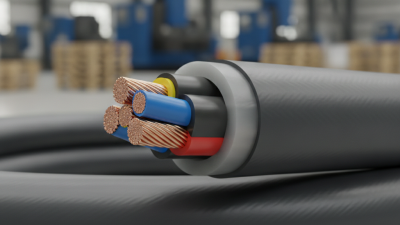
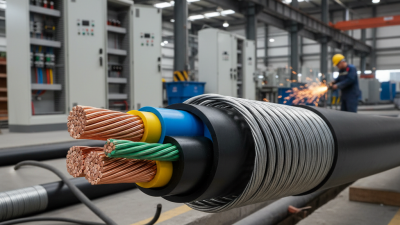
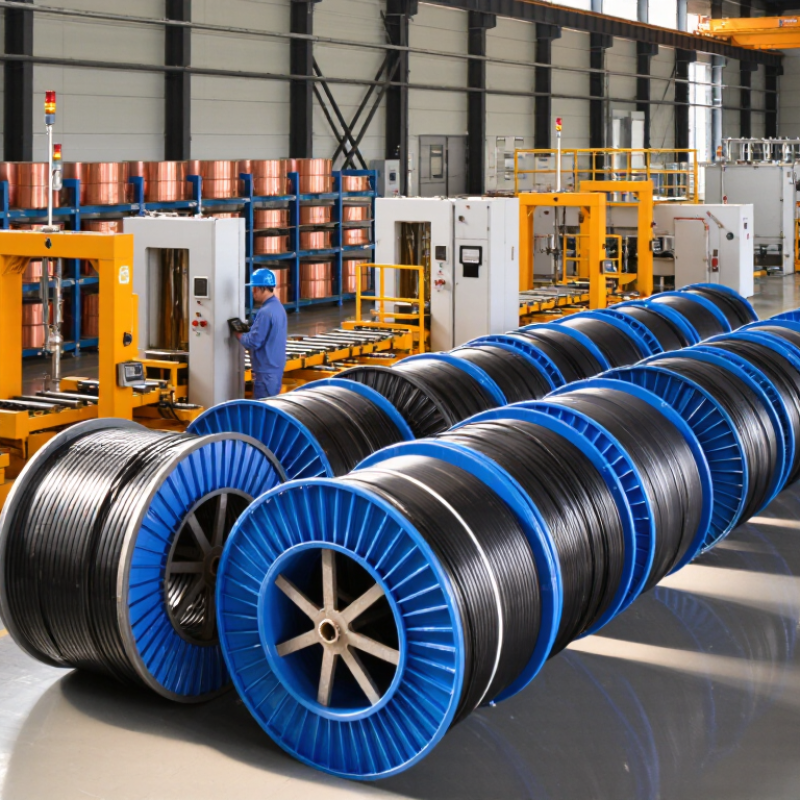
Three-phase armoured cables combine three insulated conductors with mechanical protection. Common conductor materials include copper and aluminum. Copper offers higher conductivity, while aluminum reduces weight and material cost. XLPE insulation suits higher operating temperatures than traditional PVC. Steel wire armour supports direct burial and demanding industrial routes. Steel tape armour is often selected for added impact protection. Aluminum wire armour can reduce weight in some installations.
These cables serve factories, commercial buildings, renewable energy sites, and underground distribution networks. Selection depends on voltage, current, soil conditions, bending space, and fault-current requirements. IEC 60502-1 covers many power cables with extruded insulation. IEC 60228 defines conductor classes and resistance values. Local GB/T requirements may also apply in China. Compliance should be verified through current test reports, construction drawings, and inspection records. A cable can meet one standard yet remain unsuitable for the actual site.
Tips: Confirm the load calculation before ordering. Check armour compatibility with the grounding method. Measure the route carefully, including vertical sections and spare length. Inspect the outer sheath for cuts, swelling, or flattened areas. Do not rely only on a catalogue value. In practice, installation errors can reduce a cable’s service life sharply. This point is easy to overlook. Suppliers should provide traceable certificates, conductor resistance data, insulation test results, and clear marking. The final choice deserves review by a qualified electrical engineer.
Criteria for Ranking China’s Leading Armoured Cable Suppliers
China Top Three Phase Armoured Cable Suppliers?
A credible ranking should begin with technical performance, not advertising claims. I would compare suppliers against applicable IEC and GB requirements for three-phase armoured cables. Conductor resistance, insulation thickness, voltage testing, and armour continuity deserve measured records. Factory experience matters. So does repeatable production.
The strongest suppliers usually provide traceable raw materials, controlled stranding, and clear batch identification. Their laboratories should support routine tests and independent verification. Check fire resistance, moisture protection, bending performance, and short-circuit capability when the project requires them. Site experience also reveals practical quality. Look for cables that remain stable during pulling, termination, and outdoor installation. Delivery accuracy matters too.
A ranking should use weighted evidence. Technical compliance might receive the highest score, followed by manufacturing capacity, quality systems, delivery reliability, and after-sales response. Audited certificates are more useful than polished brochures. Ask for recent test reports, inspection samples, and references from comparable power projects. Small details expose weak control.
No ranking is permanent. Production teams change, materials fluctuate, and one audit cannot represent every shipment. I would leave room for uncertainty rather than force a perfect score. A lower-ranked supplier may still fit a specialized project better. That deserves careful review.
China Top Three Phase Armoured Cable Suppliers?
Criteria for Ranking China’s Leading Armoured Cable Suppliers
This reference model uses commonly applied industrial procurement criteria rather than company-specific data.
The criteria reflect cable standards compliance, material quality, manufacturing capability, inspection systems,
export performance, and technical support. The percentages represent indicative evaluation weights and total 100%.
Supplier Three: Customization, Delivery Capability, and Service
Supplier Three: Customization, Delivery Capability, and Service
A capable armoured cable supplier should begin with the project, not a standard catalogue. Conductor material, insulation, armour, sheath, voltage rating, and installation conditions all affect cable selection. IEC 60502-1 provides key requirements for power cables up to 3 kV. However, compliance alone does not guarantee field performance. Site temperature, bending space, and pulling distance need practical review. Small details matter.
The International Energy Agency’s Electricity 2024 report projects global electricity demand to grow by an average 3.4% annually through 2026. This growth increases pressure on cable suppliers to deliver consistently. A reliable supplier should show production capacity, material traceability, routine testing, and clear delivery milestones. Factory acceptance testing, inspection records, and accurate packing lists reduce avoidable delays. No schedule is perfect. Weather, port congestion, and design changes can still disrupt delivery.
Service continues after shipment. Experienced technical teams can check drawings, recommend suitable armour, and explain installation limits. They should also provide samples or test reports before mass production. Good communication is measurable: timely replies, controlled revisions, and honest risk notices. A supplier may offer fast customization, yet poor documentation can create expensive confusion. That weakness deserves attention. Customers should assess real project records, not only attractive promises.