2026 How to Choose and Install Direct Burial Copper Wire?
When it comes to electrical installations, choosing the right materials is crucial. Direct Burial Copper Wire is a popular choice for outdoor projects. It’s designed to withstand harsh conditions and is buried directly in soil. Experts stress the importance of proper selection and installation. As noted by industry expert John Anderson, “Using quality materials can prevent future failures.”
Understanding how to choose and install Direct Burial Copper Wire can save time and money. This wire is not just durable; it also ensures efficient power delivery. However, many overlook essential installation details. The depth of burial, moisture levels, and soil conditions can impact performance. Failing to consider these factors might lead to complications down the line.
Deciding on Direct Burial Copper Wire often requires reflection on specific project needs. Are the installation conditions ideal? Have you consulted an electrician? Proper planning and execution are crucial. Quality installations lead to long-lasting results, yet some still rush through the process. It’s essential to slow down and be thoughtful in each step.

Overview of Direct Burial Copper Wire and Its Applications
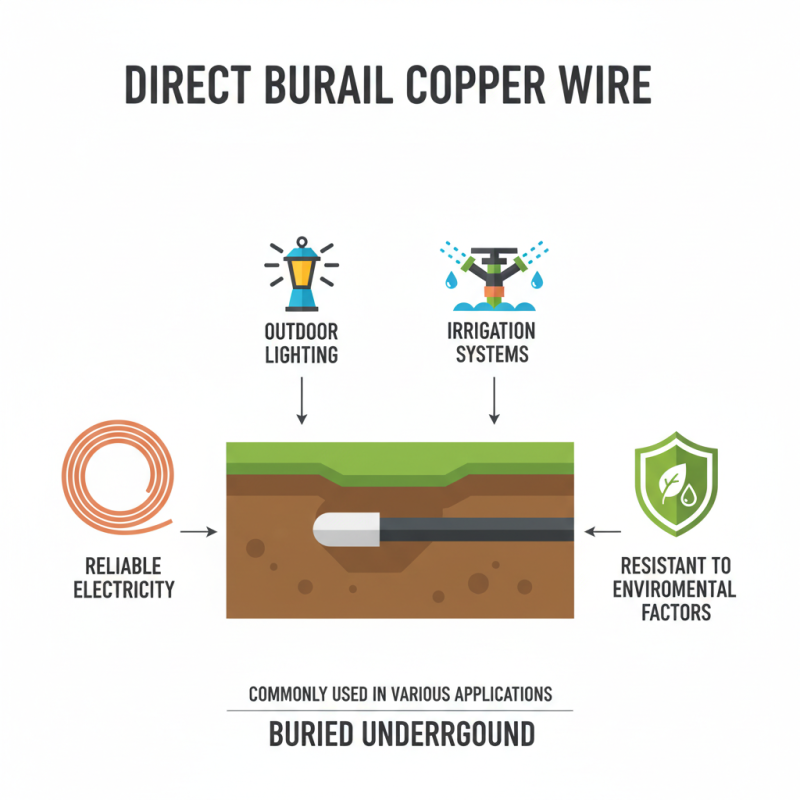
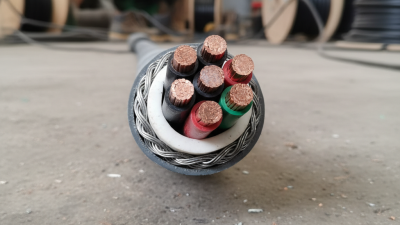
Direct burial copper wire is commonly used in various applications. It is designed to be buried underground, making it resistant to environmental factors. This feature allows it to provide reliable electricity to outdoor installations, like lighting and irrigation systems.
One notable application is in residential landscaping. Garden lights often rely on direct burial copper wire for power. This type of wire is typically insulated, reducing the chances of corrosion from moisture in the soil. However, installation can pose challenges. If not properly buried, the wire may become exposed due to soil erosion or landscaping changes. Checking the depth is crucial to prevent damage.
In commercial settings, direct burial copper wire plays a vital role as well. It often connects remote security cameras or lighting systems. Proper planning of the layout can save time and reduce costs. Still, mistakes may occur, like incorrect positioning or using the wrong gauge. These errors often require reinstallation, which can be frustrating. Overall, understanding the specific needs of the project is essential for successful use.
Factors to Consider When Choosing Direct Burial Copper Wire
When selecting direct burial copper wire, several factors come into play. The gauge of the wire is crucial. A thicker wire can handle more current, which is essential for high-power applications. Ensure you select the right gauge for your specific needs. Environment matters, too. Consider the soil type and moisture level. These elements can affect the wire’s longevity and performance.
Tips: Choose a wire with insulation rated for direct burial. This can prevent damage from moisture and soil. Evaluate how deep you need to bury the wire. Different local codes may specify requirements. Testing the soil for acidity and other elements can also influence your choice.
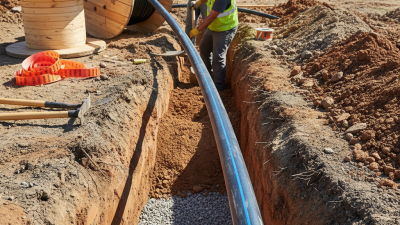
Installation is key. Make sure the trench is deep enough to protect the wire. It should be at least 24 inches deep, but this can vary based on local regulations. Allowing space for movement is equally important. Watch for sharp rocks or debris that can damage the wire. Remember, sometimes things won’t go as planned. It’s vital to have a backup plan if you encounter unexpected obstacles.
Step-by-Step Guide to Installing Direct Burial Copper Wire
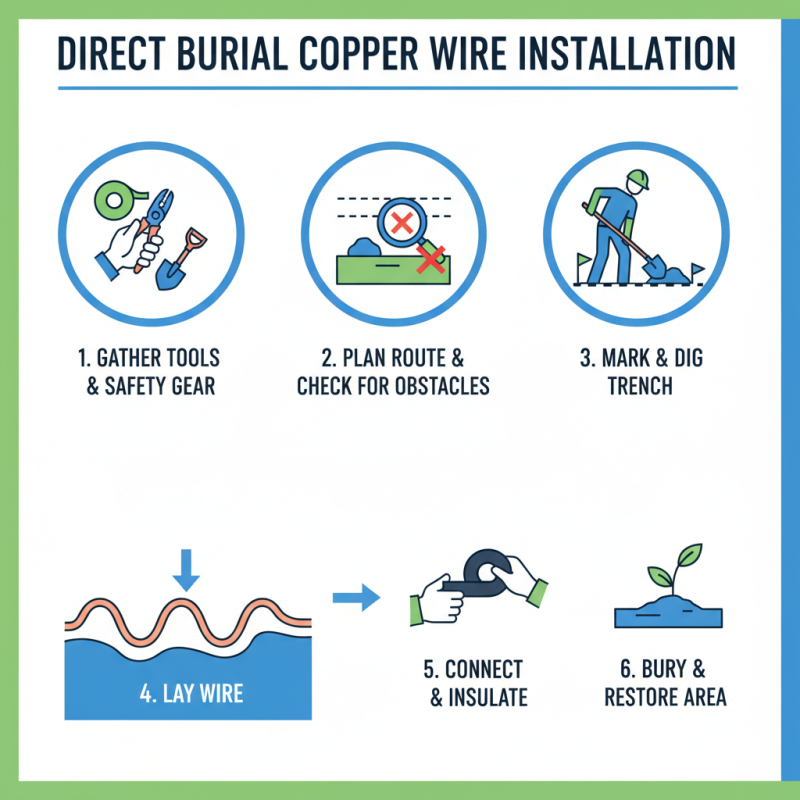
Installing direct burial copper wire can be a straightforward task when you follow a systematic approach. Start by gathering the essential tools. You will need wire strippers, a shovel, and electric tape. Make sure you wear safety gear throughout the process. Identify the route for the wire carefully. Look for underground obstacles. Mark the area clearly.
When digging the trench, aim for a depth of at least 24 inches. This protects the wire from any mechanical damage. Avoid rocks and roots that can damage the insulation. After burying the wire, cover it adequately. It's crucial to avoid too much tension on the wire, which can cause wear over time.
Tips: Always check local codes and regulations before starting. Wiring mistakes can lead to costly repairs. Test the wire after installation to ensure connectivity. Remember, patience is key. Don't rush the process. Inspect your work for any visible issues. A thorough check can save time in the long run.
Safety Precautions for Working with Direct Burial Copper Wire
When working with direct burial copper wire, safety must come first. Be aware of the depth you need to dig. Not all areas allow for the same depth. Inadequate burial can lead to wire damage or hazards. Always check local codes. Prepare your workspace carefully. Clear potential obstacles like roots or rocks.
Wearing proper gear is essential. Thick gloves should protect your hands. Safety glasses help prevent eye injuries. You might trip or fall while handling materials. Staying aware of your surroundings can reduce risks. Ground conditions can be unpredictable. Wet soil can be slippery, so take care.
Lastly, do not overlook the importance of disconnecting power. Ensure all sources are turned off before you start. Double-checking never hurts. It’s easy to overlook this step. Accidents can happen quickly in unsafe environments. Always think ahead and plan for possible complications.
2026 Direct Burial Copper Wire Characteristics
This chart displays the diameters of various gauges of direct burial copper wire, helping you understand the sizes available for installation. Proper selection of wire gauge is critical for the safety and efficiency of electrical installations.
Maintenance Tips for Ensuring Longevity of Direct Burial Copper Wire
Proper maintenance of direct burial copper wire is crucial for its longevity. According to industry reports, copper wire can last upwards of 30 years when installed correctly. However, environmental factors can affect its lifespan. Regular inspections can help identify issues early. Look for signs of corrosion or insulation damage. These problems can lead to outages.
Soil acidity plays a significant role in wire degradation. A 2019 study indicated that wires buried in acidic soil can corrode 20% faster. Testing your soil's pH can provide valuable insights. If the pH is low, consider using protective coatings. This could extend the wire's life significantly.
Avoid direct sunlight exposure by using shaded areas for installation. UV rays can weaken insulation over time. Ensure your burial depth meets local codes; it often ranges from 24 to 36 inches. This helps reduce potential damage from surface activities. Keep the installation site clear of heavy machinery or digging activities. Each of these steps can help maintain your system and avert costly repairs.