How to Choose the Right Mv Cables Specifications for Your Project?
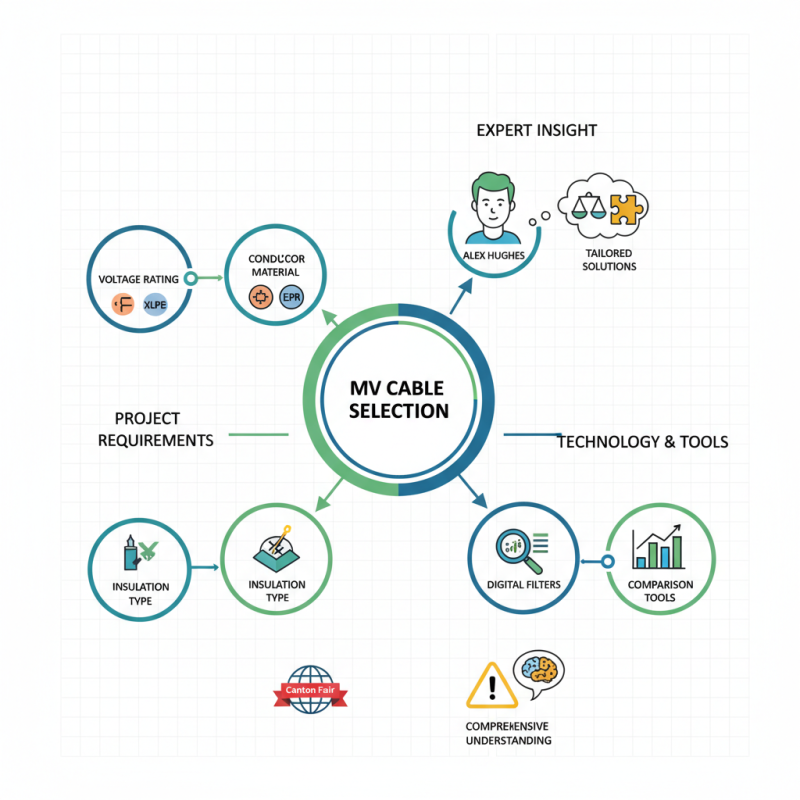
Choosing the right Mv Cables Specifications for your project is crucial. It can impact efficiency, safety, and cost. According to industry expert Alex Hughes, "Understanding Mv Cables Specifications is not just about numbers; it’s about finding the right fit for your specific needs." This insight emphasizes the importance of tailored solutions in cable selection.
When selecting Mv Cables, several variables must be considered. Voltage rating, conductor material, and insulation type are critical. Yet, many overlook these essentials. Each project presents unique challenges, and generic solutions often fall short.
Moreover, technology can facilitate the decision-making process. Recent advancements enable buyers to filter specifications and compare options quickly. This is particularly valuable at events like the upcoming Canton Fair, where innovative tools enhance navigation and product discovery. However, relying solely on technology can lead to oversights. A comprehensive understanding of Mv Cables Specifications remains necessary for optimal outcomes.
Understanding MV Cable Specifications: An Overview
When embarking on a project that requires medium voltage (MV) cables, understanding the specifications is vital. MV cables typically operate within the voltage range of 1 kV to 35 kV. Selecting the right type is essential for efficiency. A 2021 industry report indicated that improper cable specifications can result in energy losses up to 15%. This impacts both performance and cost-effectiveness.
Cable specifications include conductor size, insulation type, and environmental ratings. For instance, cross-sectional area should be chosen to minimize resistive losses. It's interesting to note that a single size increase can reduce current-carrying capacity by about 10%. Yet, many projects overlook these critical details. Additionally, insulation types like XLPE or EPR have distinct thermal performance characteristics. Understanding these can prevent future failures or safety hazards.
Another key aspect is the installation environment. Factors such as temperature and humidity play significant roles in cable performance. Unfortunately, numerous projects have faced delays due to incorrect environmental assessments. Regularly reviewing installation conditions can help align project objectives with actual performance capabilities. Crafting a comprehensive approach towards MV cable specifications is essential in avoiding costly mistakes.
How to Choose the Right MV Cables Specifications for Your Project?
| Specification |
Description |
Importance |
| Voltage Rating |
The maximum voltage the cable can handle. |
Ensures safe operation under electrical load. |
| Current Rating |
The amount of current the cable can carry. |
Prevents overheating and potential fire hazards. |
| Conductor Material |
Material used for the conductors, typically copper or aluminum. |
Affects conductivity, weight, and cost of the cable. |
| Insulation Type |
Material used for insulating the conductors. |
Critical for safety and durability in different environments. |
| Cable Jacket |
The outer covering of the cable that provides protection. |
Protects against mechanical damage and environmental factors. |
| Temperature Rating |
Maximum operating temperature of the cable. |
Ensures functionality in high-temperature applications. |
| Fire Resistance |
Ability of the cable to resist fire and reduce flame spread. |
Enhances safety in case of fire incidents. |
Key Factors to Consider When Selecting MV Cables
When selecting medium voltage (MV) cables, several key factors demand attention. One crucial aspect is the cable rating. The National Electrical Manufacturer's Association suggests a minimum average temperature rating of 90°C for optimal performance. This ensures reliability under varying environmental conditions. However, many projects overlook this, risking potential failures.
Another factor is the cable's material composition. Copper and aluminum are common choices. According to industry reports, copper cables exhibit lower resistivity, leading to better efficiency. Yet, they are heavier and more expensive. Choosing aluminum cables can reduce installation costs but may require larger cables to carry the same current. Make sure the decision aligns with project budget and operational requirements.
The installation environment also impacts cable selection. Factors like moisture, chemical exposure, and mechanical stress are essential. A report from the International Electrotechnical Commission indicates that about 30% of cable failures occur due to environmental stress. It’s vital to assess these conditions thoroughly. Failing to do so can lead to unexpected downtime. Evaluate installation sites carefully and conduct regular assessments for long-term success.
Common Material Types for MV Cables and Their Applications
When selecting medium voltage (MV) cables, understanding material types is essential. Commonly used materials include cross-linked polyethylene (XLPE), polyvinyl chloride (PVC), and ethylene propylene rubber (EPR). Each material has unique properties that affect performance and application.
XLPE cables are highly recommended for their excellent thermal properties. They can operate at higher temperatures, making them ideal for power distribution in industrial settings. Reports indicate that XLPE cables can withstand temperatures up to 90 degrees Celsius. Opting for XLPE could enhance your project longevity.
PVC cables are more versatile and often used for indoor applications. They offer good electrical insulation but have limitations in extreme conditions. The average lifespan of PVC cables is around 20-30 years. Keep this in mind when planning your installations.
Tip: Assess the environmental conditions of your project. If exposed to moisture, consider water-resistant insulation.
EPR cables serve specific applications due to their flexibility and resistance to chemicals. They can endure harsh conditions, making them suitable for underground installations. However, they may not be the best option for all scenarios.
Tip: Conduct a thorough needs assessment. This ensures you select the appropriate cable type for your specific project. Making informed choices is crucial.
Common Material Types for MV Cables and Their Applications
Voltage Ratings and Their Importance in MV Cable Selection
When selecting medium voltage (MV) cables,
voltage ratings play a crucial role. Understanding these ratings helps ensure
safety and performance. Voltage ratings define the maximum load a cable can
handle. A mismatch here can lead to serious issues, such as overheating
or even cable failure.
It’s important to consider the application. For example, industrial settings
often have higher voltage requirements. Cables with insufficient ratings may
pose serious risks. In contrast, lower voltage applications can use less robust
cabling. It’s not just about meeting the minimum; over-specifying
can lead to unnecessary costs.
Tips for cable selection: Always check the environment
where cables will be installed. Temperature and humidity affect performance.
Additionally, consider the distance the cable needs to run.
Longer distances may require
higher-rated cables to prevent voltage drop.
Test your knowledge: Do you know how
cable ratings impact safety? Rethinking your choices can prevent future headaches.
Understanding these details will empower you in your project decisions.
Assessing Installation Environment and Its Impact on MV Cables
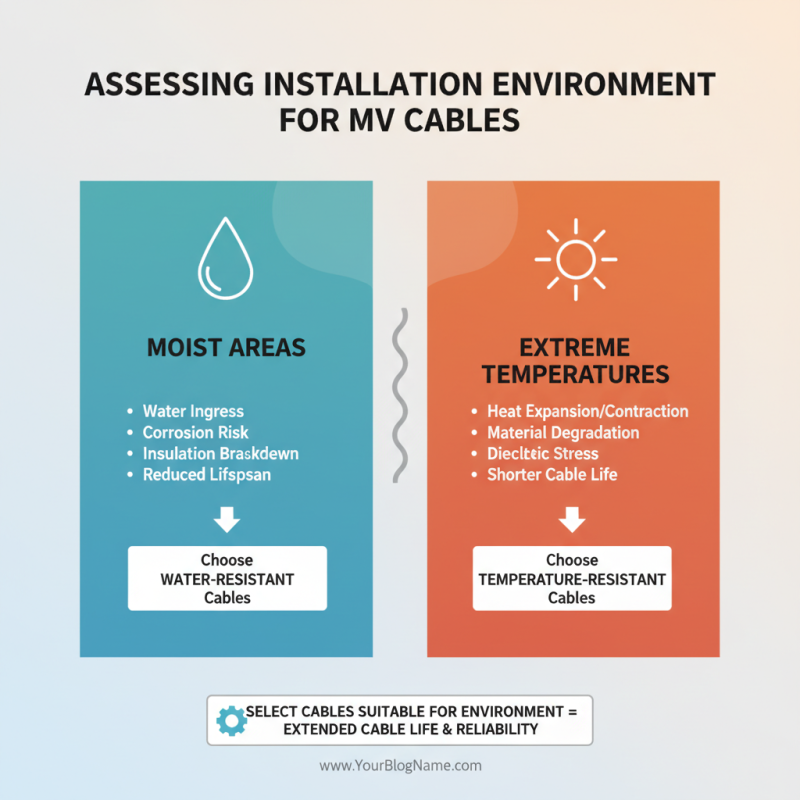
When selecting MV (Medium Voltage) cables, understanding the installation environment is crucial. Environmental factors significantly affect cable performance and longevity. If you are working in a moist area, this could lead to cable degradation. On the other hand, extreme temperatures can also impact insulation quality. Choose accordingly.
**Tip:** Always evaluate soil conditions. For instance, rocky or acidic soil may need extra cable protection. In contrast, loose, sandy soil might not pose as many risks.
Urban settings bring their own challenges. The presence of other underground utilities can complicate installations. It's vital to check local regulations regarding spacing and protective measures. In some cases, insufficient separation can lead to interference, which might cause failures.
**Tip:** Ensure proper cable routing. The distance from existing utilities is essential. Too close can cause disruptions. Too far might result in longer installation times.
Assessing your installation environment means looking at all possible factors. Rain, dust, and even nearby construction can change how cables should be installed. Ignoring these details might cost you later. Be thorough in your evaluation.