How to Choose the Right Three Phase Armoured Cable for Your Project?
Choosing the right Three Phase Armoured Cable for your project can be challenging. Factors like environment, load requirements, and installation methods all play a role. Many overlook these details, leading to issues down the line.
When selecting a cable, consider the specific demands of your project. Will it run underground or above ground? Is it exposed to chemicals or extreme temperatures? The answers guide your decision.
Sometimes, projects don’t go as planned. Installing a cable that isn’t suited for its environment can cause failures. Reflect on previous choices to avoid repeating mistakes. Overall, taking time to evaluate your needs will yield better results.
Understanding the Basics of Three Phase Armoured Cables
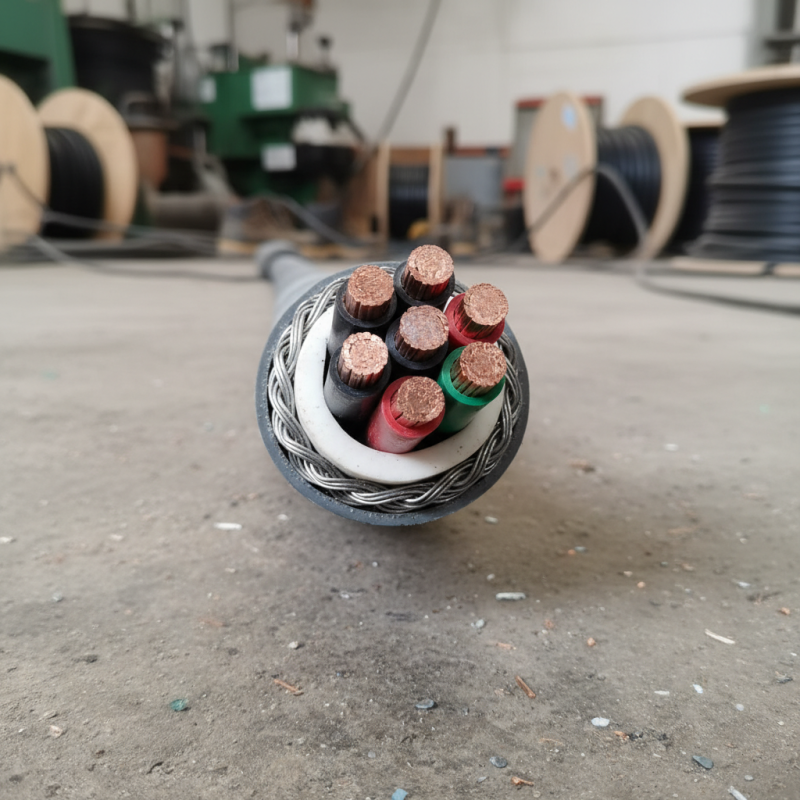
When selecting three phase armoured cables, understanding their basics is crucial. These cables are designed for heavy-duty applications. Their construction includes multiple insulated conductors, providing durability. The armouring protects against mechanical damage. This feature is essential in industrial environments.
Consider the cable's rated voltage and current capacity. Different projects require different specifications. If your project involves high power, choose cables with higher ratings. This ensures safety and reliability. Don't overlook the installation environment. Conditions like moisture, temperature, and exposure to chemicals can impact performance.
Tip: Always consult local regulations. They may dictate specific cable types for safety. It’s easy to miss these details. Also, think about future needs. Choosing a slightly larger cable can save you trouble later. A slight oversize can facilitate future upgrades.
Using the right three phase armoured cable makes a big difference. Assess your project requirements carefully. If unsure, seek professional advice. This choice is not just about current needs. It shapes the longevity and safety of your installation.
Identifying the Specific Requirements of Your Project
When choosing a three-phase armoured cable, understanding your project's specific requirements is crucial. The type of installation site plays a significant role. For example, a project in a humid environment may require cables with enhanced weather resistance. According to industry reports, nearly 30% of cable failures arise from environmental factors. Installing the wrong cable can lead to serious downtime and safety issues.
Cable size is another essential aspect. Conductors must handle the expected load while considering heat dissipation and voltage drop. The Institute of Electrical and Electronics Engineers (IEEE) suggests maintaining a voltage drop below 3% for efficiency. Too often, project managers overlook these technical aspects, resulting in inadequate performance.
In some cases, the insulation type needs attention. Different insulations, such as PVC, XLPE, or rubber, exhibit varying thermal and mechanical properties. Understanding these differences can prevent costly mistakes. It's common to see projects that under-specify insulation, exposing cables to risks they aren’t designed to handle. Ensure you assess all these factors carefully to avoid pitfalls.
Evaluating Cable Specifications and Ratings
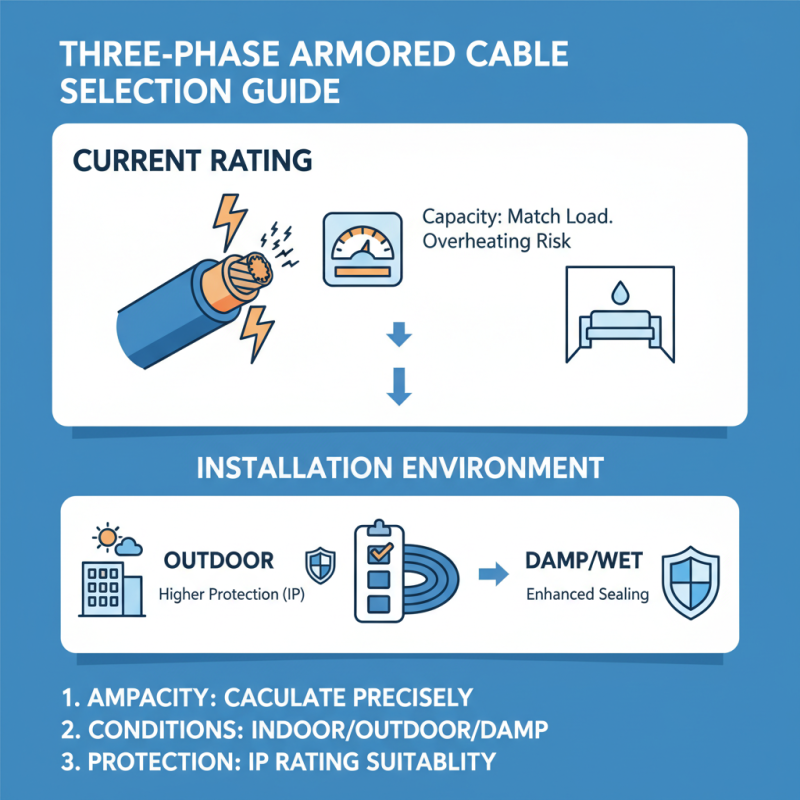
When selecting a three-phase armoured cable, specific cable specifications and ratings are vital. Start with the current rating. It determines how much current the cable can carry without overheating. If you underestimate this, the cable may fail, causing issues. Always assess the installation environment. Whether it’s indoors or outdoors affects your choice. Damp conditions mean higher protection ratings are necessary.
Next, look at voltage ratings. Ensure the cable supports your project’s voltage needs. This prevents electrical failures. Environmental factors also matter. Armoured cables should provide adequate protection from physical damage. If the cable runs underground or in industrial settings, the armor is crucial.
Pay attention to cable construction. The materials used influence performance and longevity. A poorly made cable may require replacements sooner than expected, wasting time and resources. Consider utilizing a professional for guidance. Don’t hesitate to ask for help. It can save headaches in the long run. Ultimately, informed choices lead to better project outcomes.
Comparing Different Types of Armoured Cables
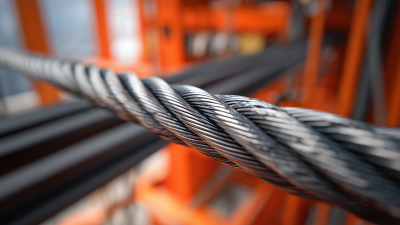
When selecting armoured cables, it's crucial to understand the distinctions among various types. Steel wire armoured cables (SWA) offer robust protection against mechanical damage. They are ideal for underground installations or outdoor applications. Data from industry reports indicates that about 40% of electrical failures can be traced back to inadequate cable choices.
Another option is aluminium armoured cables. They provide a lighter alternative to SWA while maintaining a degree of strength. However, their resistance to corrosion may not match that of steel. In certain environments, this could lead to long-term issues. Around 30% of users in surveys expressed concerns about durability in coastal areas.
For projects requiring flexibility, consider using non-metallic armoured cables. These are easier to install, yet they offer less protection. They’re suitable for less demanding applications. Surveys reveal that 25% of contractors chose non-metallic options for residential projects, citing ease of handling as a primary reason. Nonetheless, the trade-off in protection is a vital consideration.
How to Choose the Right Three Phase Armoured Cable for Your Project? - Comparing Different Types of Armoured Cables
| Cable Type |
Conductor Material |
Size (mm²) |
Voltage Rating |
Armour Type |
Application |
| XLPE SWA |
Copper |
16 |
600/1000V |
Steel Wire |
Industrial |
| PVC SWA |
Aluminum |
25 |
300/500V |
Steel Wire |
Commercial |
| FR LSZH SWA |
Copper |
35 |
600/1000V |
Steel Wire |
Infrastructure |
| Rubber SWA |
Copper |
50 |
450/750V |
Steel Wire |
Mining |
Tips for Installation and Maintenance of Armoured Cables
When working with armoured cables, proper installation and maintenance are crucial for performance. A report from the International Electrotechnical Commission indicates that improper installation can reduce the lifespan of cables by up to 30%. It’s essential to follow guidelines to protect against mechanical stresses and environmental factors.
Begin with thorough planning. Ensure the chosen route is clear of obstacles. Use tools that adapt to the cable type. Avoid over-bending or twisting the cable during installation. These actions can cause damage and reduce functionality. Don’t overlook cable supports. Regular spacing prevents sagging and potential exposure to harm.
Maintenance is equally vital. Inspect cables regularly for wear, especially in high-traffic areas. Look for signs of moisture or corrosion, which can lead to short circuits. A study from the UK Electrical Safety Council found that 40% of cable failures stem from neglecting regular checks. Organize a schedule for routine inspections and maintenance to catch potential issues early. Each of these steps contributes to extending the cable's life and ensuring safe operation.