How to Choose the Right Xlpe Insulated Power Cable for Your Needs?
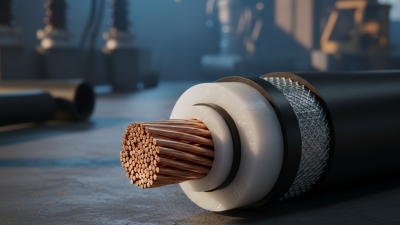
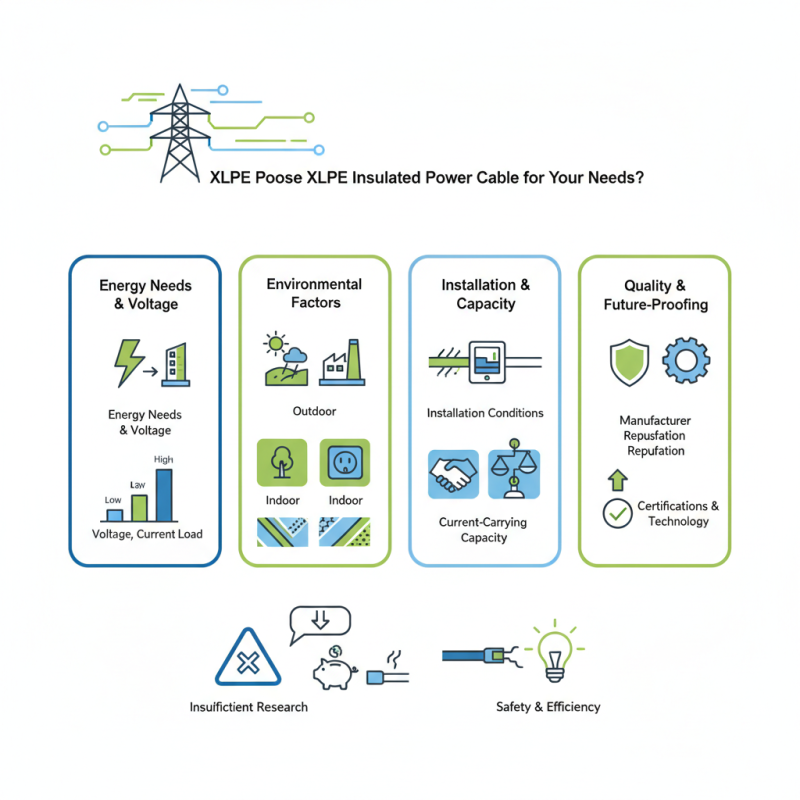
Choosing the right XLPE insulated power cable is critical for various applications. The decision involves understanding your specific energy needs, voltage requirements, and environmental factors. XLPE insulated power cables are known for their exceptional thermal and electrical properties. They offer better resistance to heat and moisture.
When selecting, consider the cable's installation conditions. Different settings, such as outdoor versus indoor environments, require tailored specifications. Additionally, the cable's current-carrying capacity must match your electrical load. It's also wise to reflect on manufacturer reputation and product certifications.
Mistakes can often occur when insufficient research is done. You might be drawn to cheaper options that compromise quality. Investing in a reliable XLPE insulated power cable is not merely a choice; it's a commitment to safety and efficiency. You may need to reassess your priorities and needs as technologies evolve.
Understanding XLPE Insulated Power Cables and Their Applications
XLPE (Cross-Linked Polyethylene) insulated power cables are vital in modern electrical systems. These cables provide excellent resistance to heat, chemicals, and moisture. A report from the International Energy Agency shows that the global demand for XLPE cables is expected to rise by 8% annually through 2025. This growth is influenced by urbanization and increased energy consumption.
Understanding the specific applications of XLPE insulated cables is essential. They are commonly used in power distribution, renewables, and industrial sectors. The National Fire Protection Association noted that XLPE cables have lower flammability rates, enhancing safety in installations. Their use in underground systems also minimizes exposure to harsh environmental conditions.
Despite their advantages, one should consider certain limitations. They can be pricier than traditional PVC cables. Additionally, challenges exist during installation, such as the need for proper termination techniques. In experienced hands, XLPE cables perform exceptionally well. However, without careful planning, projects may encounter unforeseen issues, impacting performance and safety.
Key Factors to Consider When Selecting XLPE Cables
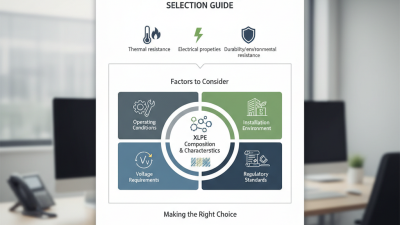
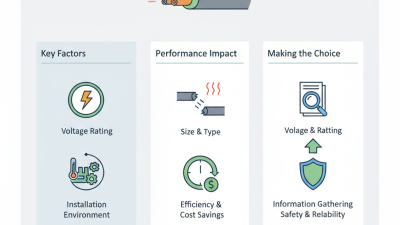
When selecting XLPE insulated power cables, several key factors should be considered. The application environment is paramount. Cables used outdoors must withstand UV radiation and extreme temperatures. Those installed underground should resist moisture and chemical exposure. Understanding these environmental conditions helps in choosing the right cable.
Another essential factor is the cable's current-carrying capacity. This affects performance and safety. A cable with insufficient capacity can overheat, leading to failure. It’s crucial to assess the load requirements and match them to the cable specifications. Consider the installation method too; whether the cable is in a conduit or buried affects its heat dissipation.
Finally, the voltage rating plays a significant role. Ensure the chosen cable meets the voltage needs of your system. Overrating can lead to unnecessary costs, while underrating poses safety risks. Remember, investing time in research can save money and prevent issues later on. Balancing all these factors may seem daunting, but careful consideration leads to better choices.
How to Choose the Right Xlpe Insulated Power Cable for Your Needs?
| Factor |
Description |
Importance |
| Voltage Rating |
Determine the maximum voltage the cable will handle. |
High |
| Current Carrying Capacity |
Assess the current load requirements. |
High |
| Environmental Conditions |
Consider factors such as temperature, humidity, and exposure to chemicals. |
Medium |
| Cable Size |
Choose the appropriate size based on distance and load. |
High |
| Installation Type |
Determine if the installation is indoor, outdoor, or underground. |
Medium |
| Regulatory Compliance |
Ensure the cable meets local and international standards. |
High |
Evaluating Electrical and Thermal Properties of XLPE Insulation
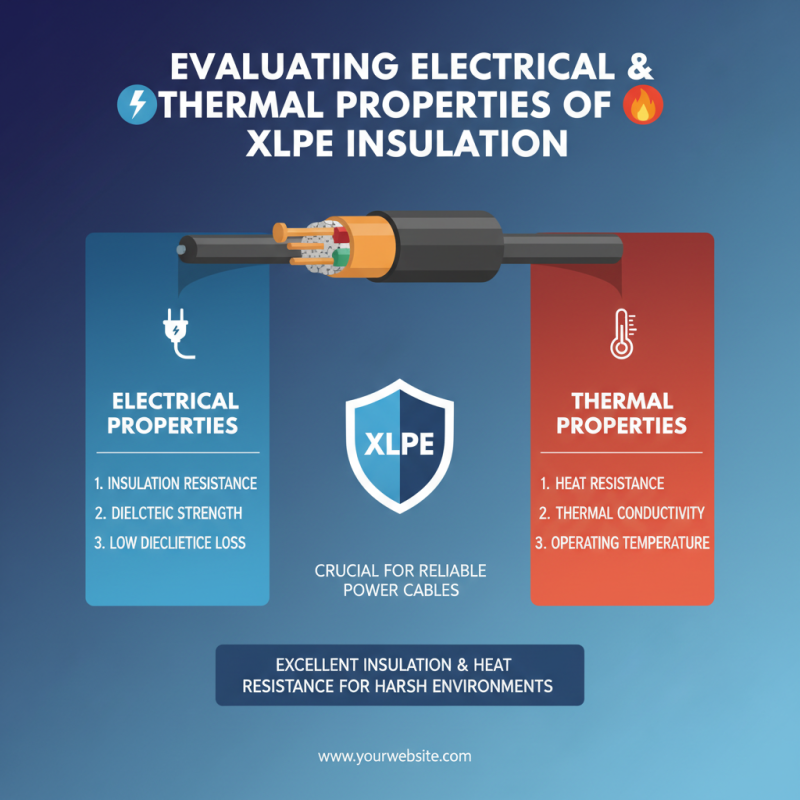
When selecting XLPE insulated power cables, understanding the electrical and thermal properties is crucial. XLPE, or cross-linked polyethylene, offers excellent insulation and resistance to heat. This trait is essential for applications in harsh environments.
One key factor to consider is the cable's temperature rating. A higher rating often indicates better performance under stress. However, not all applications require the highest ratings. Evaluate the specific needs of your project. Will your cables encounter extreme temperatures or chemical exposure? Choose wisely.
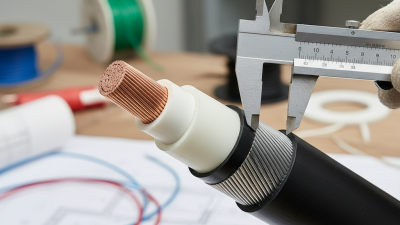
**Tips:** Always check the insulation thickness. Thicker insulation means better durability. Also, look at the conductor material. Copper typically provides lower resistance than aluminum.
Another aspect is the cable's current-carrying capacity. You might assume that higher capacity cables are always better. However, they can be more expensive and heavier. Assess your specific power requirements carefully.
**Tips:** Calculate the expected load and add a safety margin. This helps avoid overheating issues. Keep in mind the environment where the cable will be installed. Moisture and UV exposure can degrade performance over time.
Assessing Environmental Conditions for Cable Installation
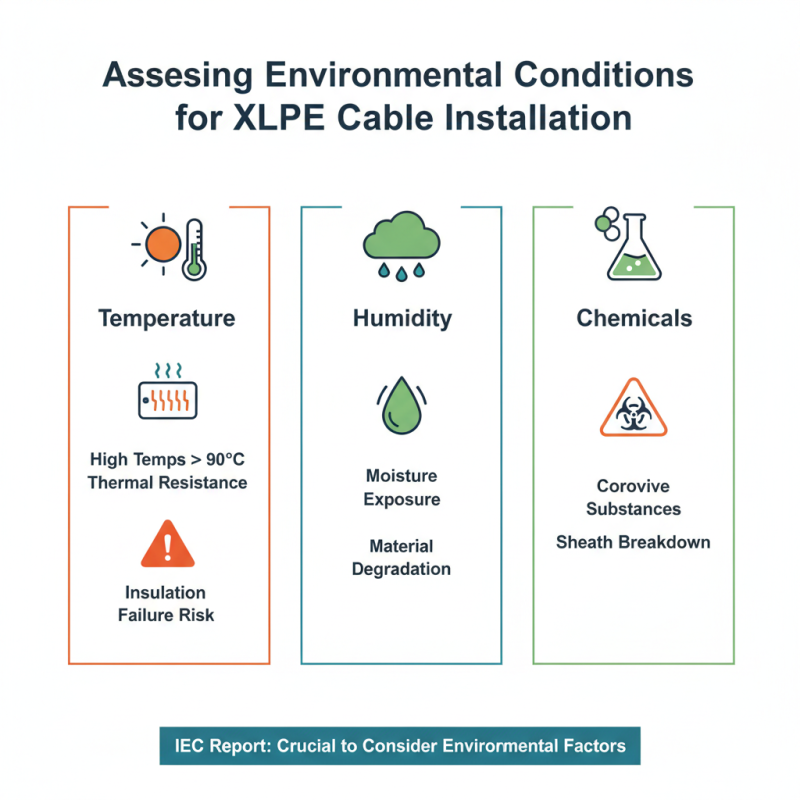
When selecting XLPE insulated power cables, it’s crucial to consider the environmental conditions where they will be installed. The cable's performance can be heavily influenced by factors such as temperature, humidity, and exposure to chemicals. A report by the International Electrotechnical Commission (IEC) highlights that thermal resistance is vital. Cables may experience insulation failure if exposed to high temperatures above 90°C without proper management.
Humidity can also impact cable performance. The Institute of Electrical and Electronics Engineers (IEEE) suggests that a humidity level of over 75% can lead to insulation degradation. This degradation often results in increased risk of water ingress and other issues. Engineers must ensure that cables in high humidity environments are properly sealed and treated to withstand moisture.
Moreover, geographical location should not be overlooked. Cables installed in coastal areas face salt exposure, which can lead to corrosion. The National Electrical Manufacturers Association (NEMA) indicates that using UV-resistant materials is essential for cables in sunny regions. This knowledge is critical because failing to address these factors can cause unexpected failures, leading to costly downtime and repairs.
Comparing Cost and Performance of Different XLPE Cable Types
When selecting XLPE insulated power cables, cost and performance are critical factors to consider. Different types of XLPE cables offer varied insulation and temperature ratings, impacting overall efficiency. The initial investment in higher quality cables might seem steep. However, you might save in the long run through reduced maintenance and increased longevity.
The performance characteristics of XLPE cables differ considerably. For instance, some are designed for high-temperature applications, while others excel in moisture-heavy environments. Understanding your application requirements will significantly influence your choice. Look at the ampacity and insulation thickness as key indicators of performance.
Cost is also a significant element. Cheaper cables may save you money upfront but could lead to failure sooner, resulting in unplanned shutdowns. It's essential to balance upfront costs with long-term performance. Evaluating both cost and performance will help you make an informed decision.