2026 How to Choose Single Conductor Wire for Your Electrical Projects?
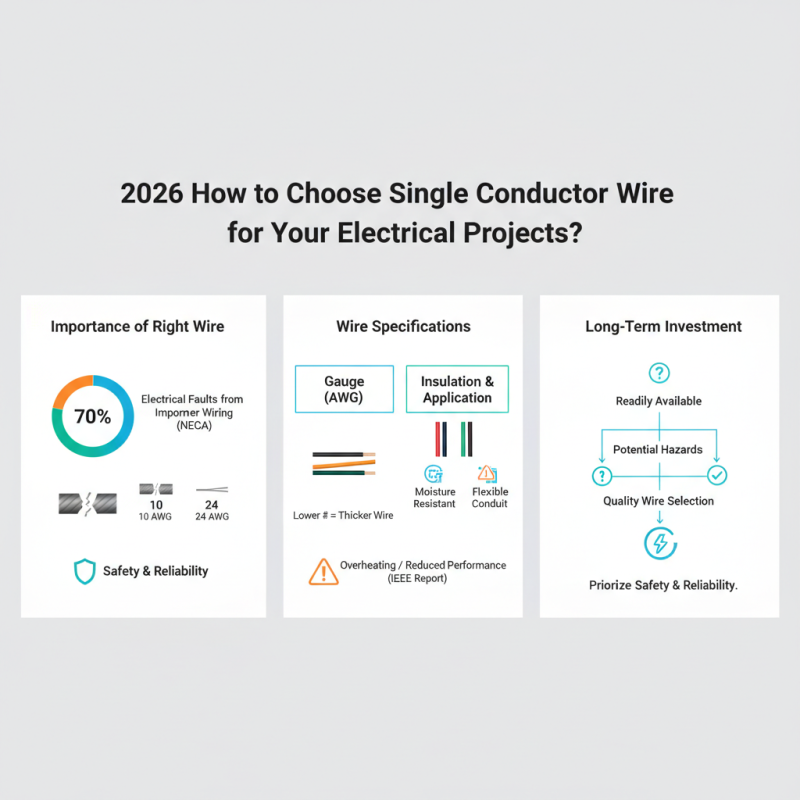
When embarking on electrical projects, selecting the right materials is vital, especially when it comes to choosing single conductor wire. Single conductor wire plays a crucial role in electrical conductivity and stability. According to the National Electrical Contractors Association (NECA), over 70% of electrical faults can be traced back to improper wiring. This statistic underscores the importance of making informed decisions when picking the right wire.
Single conductor wire varies in gauge, insulation, and application. Choosing the appropriate specifications can greatly affect efficiency. The American Wire Gauge (AWG) system is commonly used to measure wire size, where a lower number indicates a thicker wire. Reports from the Institute of Electrical and Electronics Engineers (IEEE) highlight that using the wrong gauge can lead to overheating or reduced performance.
Many projects overlook the importance of effective wire selection. Often, contractors settle for what is readily available, leading to potential safety hazards. Reflecting on past experiences, stakeholders must recognize that quality single conductor wire contributes to long-lasting electrical systems. Prioritizing the right choice means investing in safety and reliability for years to come.
Understanding Single Conductor Wire Types and Their Applications
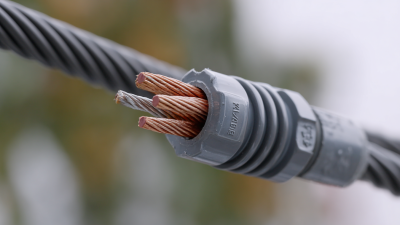
When selecting single conductor wire, understanding the types available is crucial. Single conductor wires come in various materials, predominantly copper and aluminum. Copper is renowned for its superior conductivity and flexibility. Data from the National Electrical Manufacturers Association (NEMA) indicates that copper conductors have conductivity levels around 97%. In contrast, aluminum wires are lighter and more cost-effective but have only about 61% conductivity. This difference significantly impacts your project's efficiency and safety.
Applications of single conductor wires vary widely. For instance, they are commonly used in residential wiring, automotive applications, and industrial settings. Depending on the environment, choosing wires with proper insulation ratings is essential. NEMA’s guidelines recommend rubber or PVC insulation for residential projects and cross-linked polyethylene for outdoor use. Respecting these guidelines can prevent failures and ensure longevity.
**Tips:** Always check the wire gauge based on current load requirements. Wires that are too thin can overheat. Additionally, mismatched insulation ratings can lead to insulation failure. Testing wire before installation is also vital. Failing to do this might result in unexpected outages and increased costs. A careful approach can save time and resources.
Key Specifications for Single Conductor Wire Selection in Projects
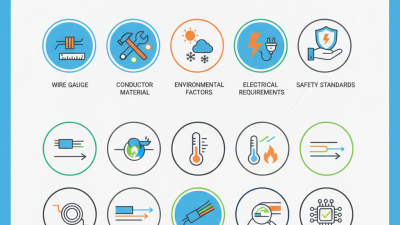
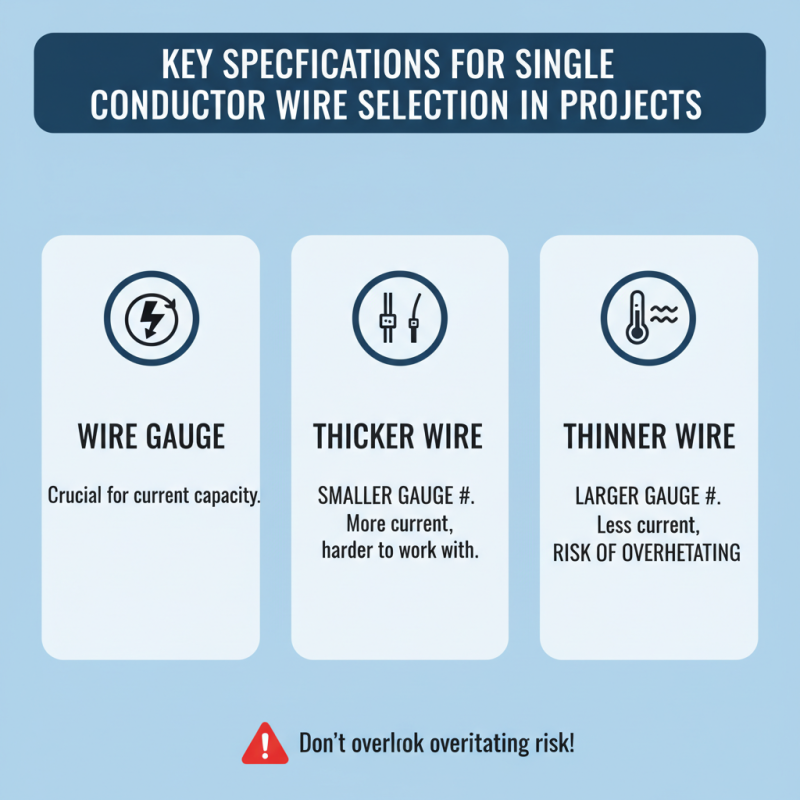
When selecting single conductor wire for electrical projects, certain key specifications are crucial. The wire gauge is essential. Thicker wires can carry more current but are harder to work with. A smaller gauge number means a thicker wire. However, using thin wires can lead to overheating. This is an important detail that shouldn't be overlooked.
Another specification to consider is insulation type. Different environments require different insulation materials. For instance, outdoor projects may need UV-resistant insulation. Indoor installations might only require basic types. This choice influences durability and safety. Sometimes, the wrong insulation can cause issues later on.
Lastly, consider the wire's temperature rating. Wires have different limits for heat exposure. Higher rated wires can be more versatile. Yet, they often come at a higher cost. So, balancing budget and specifications is key. It's not always straightforward, and one should think carefully about these choices. Choosing the right wire requires a blend of technical knowledge and practical understanding.
Gauge and Amperage: Matching Wire Size to Electrical Load Requirements
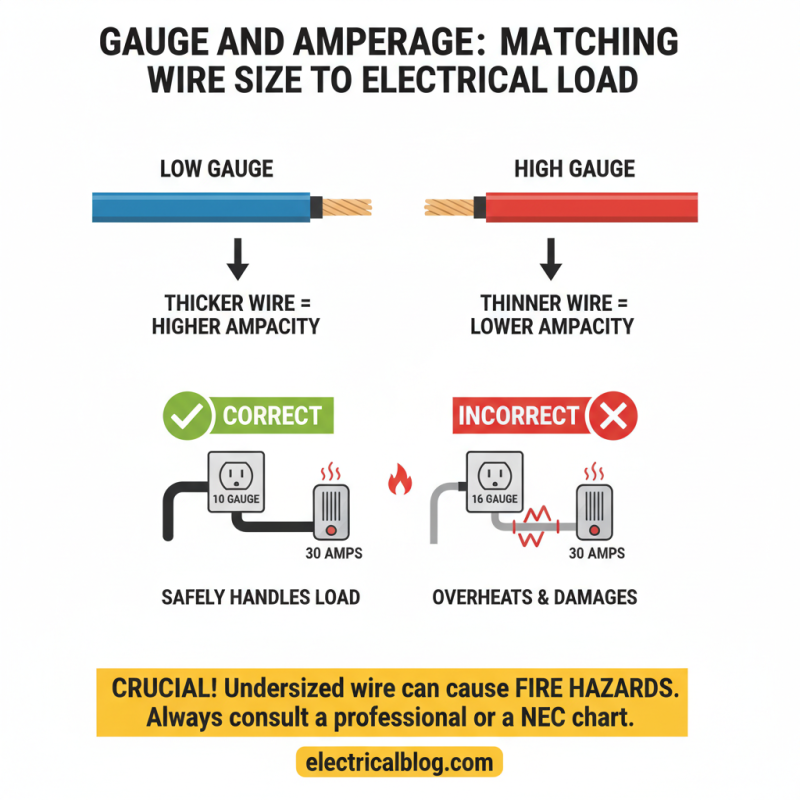
Choosing the right wire gauge is crucial for your electrical projects. A wire's gauge determines its capacity to handle a certain amperage. Using a wire that is too small can lead to overheating. This can damage your electrical devices or even create fire hazards.
When selecting a wire, understand the amperage requirements of your project. Each electrical load has a specific demand. For instance, a small appliance may only need 5 amps, while a larger one could require 20 amps or more. Referencing a wire gauge chart can help. This chart matches wire size to amperage requirements effectively.
**Tip:** Always consider future electrical needs. Will your project expand or require more power? Overestimate slightly to avoid future issues.
In practice, not everyone follows these guidelines. Some may choose a wire that looks sufficient, only to realize it falls short. This oversight can lead to serious problems later.
**Tip:** Double-check the calculations. Mistakes can happen easily, especially when under pressure. A second look ensures you haven’t missed anything important.
The right wire choice ensures safety and reliability in your projects. It’s not just about compliance, but about protecting your investments.
Insulation Materials: Choosing the Right Type for Your Environment
When selecting single conductor wire for electrical projects, insulation materials play a crucial role. The right insulation type can significantly impact performance and safety. For instance, PVC insulation is common due to its cost-effectiveness. Yet, it may not perform well in high-temperature environments. Data indicates PVC can handle up to 75°C. However, in applications involving heat, other materials could be more suitable.
Cross-linked polyethylene (XLPE) insulation provides better thermal resistance. It can withstand temperatures up to 90°C. This makes it favorable for projects in hotter environments. However, XLPE is generally more expensive than PVC. It may not be the best choice for budget-conscious projects. It’s essential to weigh the cost versus performance data.
Choosing the right insulation type is complex. Environmental factors must also be considered. For example, exposure to chemicals can degrade insulation materials. A recent industry report highlighted that wires exposed to harsh chemicals fail 30% faster than those in controlled environments. Evaluating local conditions is key. Each project has unique demands that require careful analysis of insulation options.
Insulation Materials for Single Conductor Wire in Electrical Projects
Industry Standards and Regulations for Electrical Wiring Compliance
When selecting single conductor wire for your electrical projects, understanding industry standards and regulations is paramount. Compliance ensures safety and durability. Familiarize yourself with local electrical codes. These codes often dictate specific wire types for different applications. Ignoring them may lead to serious safety hazards.
Tips: Always check for certification marks on wires. This indicates compliance with established standards. Seek wires rated for your specific environment. Indoor and outdoor applications often require different insulation types.
Remember, not all wires are created equal. Some may not meet industry benchmarks, leading to failures. Look for any potential gaps in experience. If unsure about a wire’s compliance, consult with an expert. It's better to ask questions than risk an unsafe installation.
2026 How to Choose Single Conductor Wire for Your Electrical Projects? - Industry Standards and Regulations for Electrical Wiring Compliance
| Wire Gauge (AWG) |
Current Capacity (Amps) |
Voltage Rating (Volts) |
Insulation Type |
Applicable Standards |
| 14 |
15 |
300 |
THHN |
NEC, UL |
| 12 |
20 |
600 |
THHN |
NEC, UL |
| 10 |
30 |
600 |
THHN |
NEC, UL |
| 8 |
40 |
600 |
THHN |
NEC, UL |
| 6 |
55 |
600 |
THHN |
NEC, UL |