How to Choose the Right Crane Cable for Your Needs?
Choosing the right Crane Cable is crucial for any lifting operation. Expert John Smith, a leading figure in the crane industry, emphasizes, “A well-matched cable can make or break a project.” This highlights the importance of selecting the appropriate cable type based on your needs.
Consider the cable's specifications. Factors include load capacity, environmental conditions, and installation requirements. Not all Crane Cables are created equal. Some perform well in harsh weather, while others excel in heavy-duty tasks. It's essential to assess these elements carefully.
Reflecting on cable selection often reveals common mistakes. Many overlook the impact of cable maintenance on performance. Regular inspections and timely replacements are essential. A suitable Crane Cable not only enhances safety but also maximizes efficiency. Choosing wisely will pay off in the long run.
Understanding Crane Cable Types and Specifications
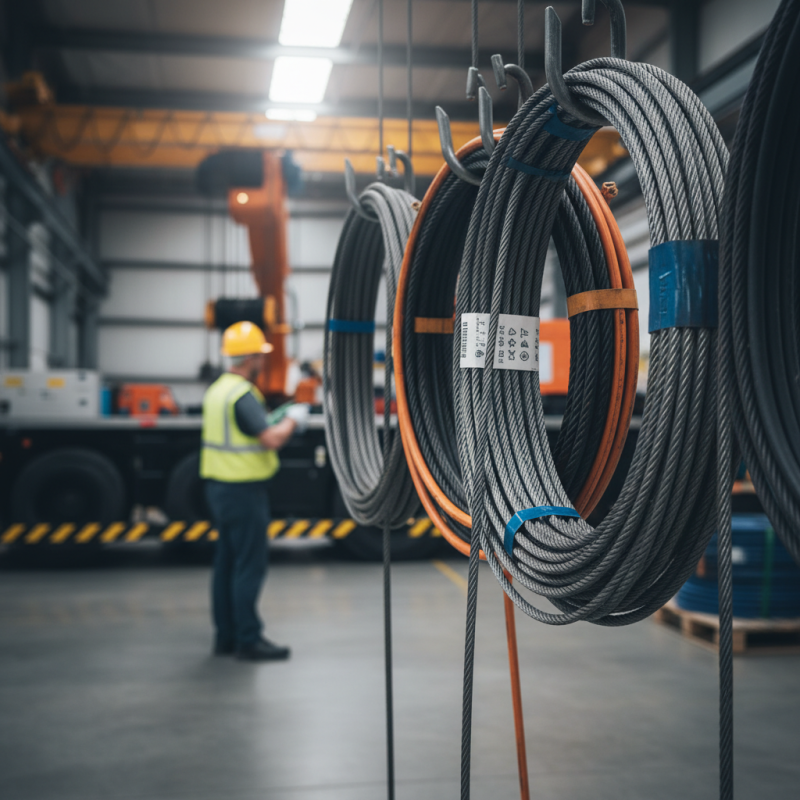
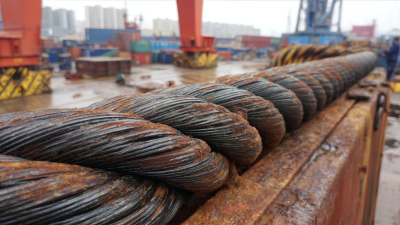
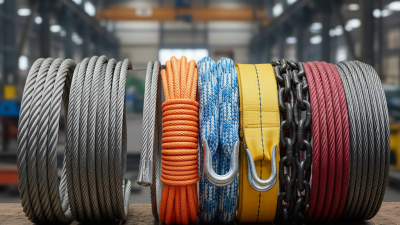
When choosing the right crane cable, understanding the different types is crucial. Crane cables vary widely based on their construction and intended use. The most common types include steel wire rope and synthetic cables. Steel wire ropes are robust and ideal for heavy-duty applications. They can handle heavy loads but may suffer from wear and corrosion over time. Consider environmental factors when selecting materials; some cables will perform poorly in wet or corrosive conditions.
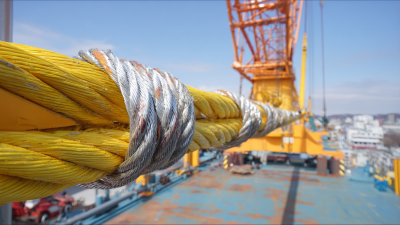
Synthetic cables, on the other hand, are lightweight and flexible. They offer higher tensile strength and are resistant to abrasion. However, they may not support as much weight as steel cables. Look into the specifications related to load capacity and safety factors. Detailed information about breaking strength, elongation, and operating conditions is key. Sometimes manufacturers specify a range of applications, but it’s important to reflect on your specific needs.
Lastly, ensure the cable is compatible with your crane model. Misfits can lead to accidents and damages that are costly. Always check the manufacturer’s guidelines before making a decision. It’s tempting to go for what looks best on paper, but practical testing can reveal flaws not specified in the catalog.
Factors to Consider When Selecting Crane Cable
Selecting the right crane cable is crucial for operational efficiency and safety. Several factors should guide this decision.
Cable strength, for example, is paramount. According to industry data, a cable’s break strength should exceed the maximum load it will carry by a safe margin. This often means exceeding a safety factor of at least 4:1.
Additionally, environmental conditions play a significant role. Cables exposed to harsh weather may require additional protective coatings.
Steel cables, while strong, can corrode quickly without proper treatment. A recent report indicates that corrosion can reduce cable lifespan by nearly 50% in extreme environments.
Lastly, flexibility and bend radius are important. Some applications require cables to navigate tight spaces. An inappropriate bend radius can lead to cable fatigue, ultimately leading to failures. Many operators overlook this aspect, resulting in costly downtime and repairs. It's critical to consider the specific demands of the operation and not just go with standard options. Each project has unique requirements that must be assessed.
Determining the Voltage and Current Requirements for Crane Cables
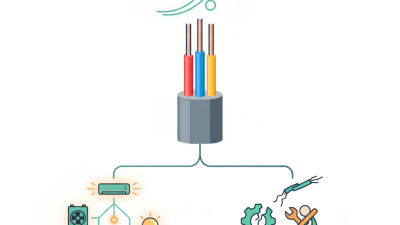
When selecting the right crane cable, understanding voltage and current requirements is crucial. These specifications ensure safety and efficiency in crane operations. Generally, crane cables are designed to handle varying electrical loads. A study by the International Electrotechnical Commission highlights that improper voltage ratings can lead to overheating and equipment failure.
For standard overhead cranes, voltage can range from 230V to 600V. Analyzing the expected load current is essential. Cables must have the capability to sustain this load over time without degradation. According to the National Fire Protection Association, using inadequate cables can increase the risk of electrical fires.
Tips: Always consult with an engineer when determining these specifications.
Selecting cables that exceed current ratings can provide an added safety margin. It's not just about meeting minimum requirements. Sometimes, choosing a sturdier option is prudent. Also, assess the environmental conditions. Cables exposed to extreme temperatures or physical wear may require enhanced insulation.
Tips: Regular inspections help identify potential issues early.
Don't underestimate the impact of cable length on performance. Longer cables can lead to voltage drops. Plan layouts carefully to minimize this effect. Awareness of these factors can greatly influence the longevity and reliability of crane operations.
Evaluating Durability and Environmental Conditions for Crane Cables
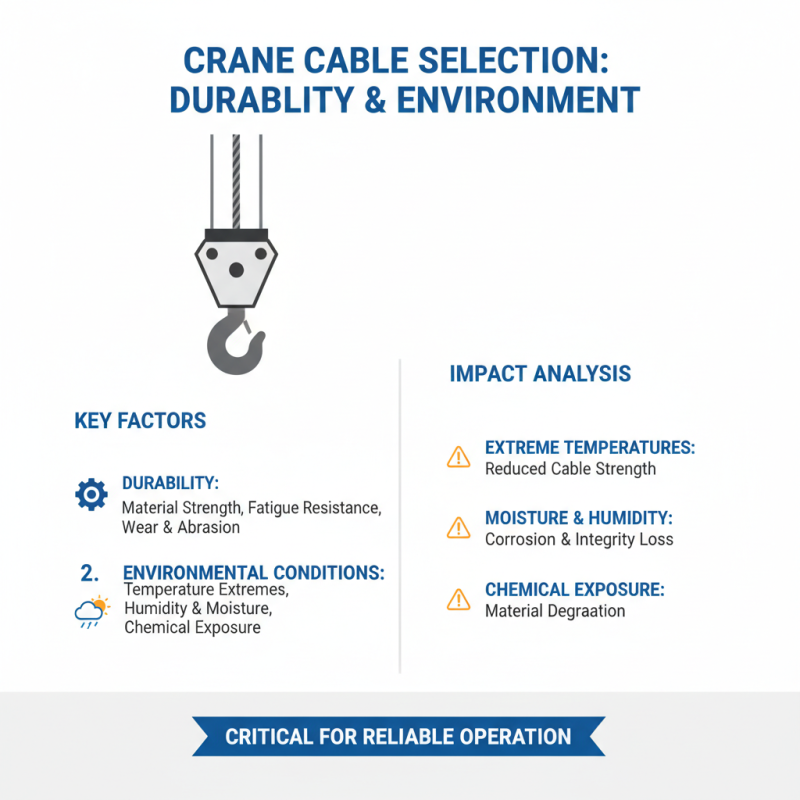
When selecting a crane cable, evaluating durability and environmental conditions is critical. Crane cables operate in various environments. Factors like temperature, humidity, and exposure to chemicals can significantly impact their performance. Research indicates that cables exposed to extreme temperatures can lose strength. Additionally, moisture can lead to corrosion, compromising the cable’s integrity over time.
Tips: Always check the material specifications. For instance, certain metal alloys perform better in high-humidity settings. The right choice could extend the lifespan of the cable significantly. Cables made from stainless steel or PVC may provide enhanced durability, but they can be costlier. Assess the balance between these factors and your budget.
Furthermore, consider the mechanical stress the cable will endure. Cables carrying heavy loads regularly need more robust designs. Some reports suggest that cables should have a safety factor of 5:1 to ensure reliability. In challenging environments, this ratio becomes even more crucial. Reflect on your specific operational conditions and evaluate the trade-offs. Regular inspections are vital, as this highlights wear and helps to prevent failures.
Installation and Maintenance Tips for Crane Cables
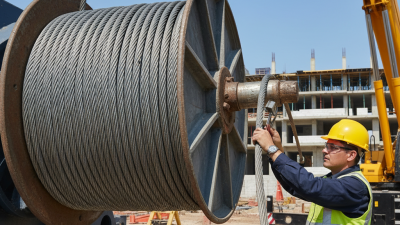
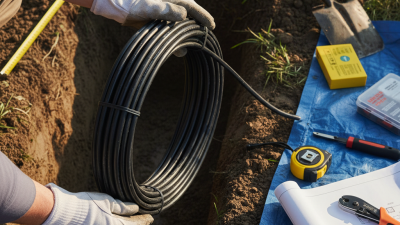
Installing crane cables requires careful attention. Ensure the cables are properly routed. Check for any potential points of wear or friction. Avoid sharp edges that can damage the cables over time.
Regular maintenance is crucial. Inspect cables frequently for signs of wear. Look for fraying or kinking. Replace any damaged cables immediately. This prevents accidents and equipment failure.
Keep connections clean and free of debris. Use appropriate lubricants when necessary. Make sure all fittings are secure. Regularly review installation guidelines to stay compliant with safety standards. Remember, a well-maintained cable can extend its lifespan significantly.
How to Choose the Right Crane Cable for Your Needs? - Installation and Maintenance Tips for Crane Cables
| Cable Type |
Application |
Max Load Capacity |
Length Options |
Maintenance Tips |
| General Purpose Cable |
Light to Medium Duty Cranes |
Up to 5 tons |
50 to 200 meters |
Regular inspection for wear and tear |
| Heavy Duty Cable |
Heavy Lifting Cranes |
Over 5 tons |
100 to 300 meters |
Lubricate moving parts regularly |
| Specialty Cable |
Environmental and Specific Use Cases |
Varies based on specifications |
Custom lengths available |
Follow manufacturer guidelines for care |
| Flexible Cable |
Applications requiring movement |
Up to 3 tons |
50 to 150 meters |
Inspect for fatigue cracks |