Hesheng Cable
Leave Your Message

How to Choose the Right Electrical Cable Standard?

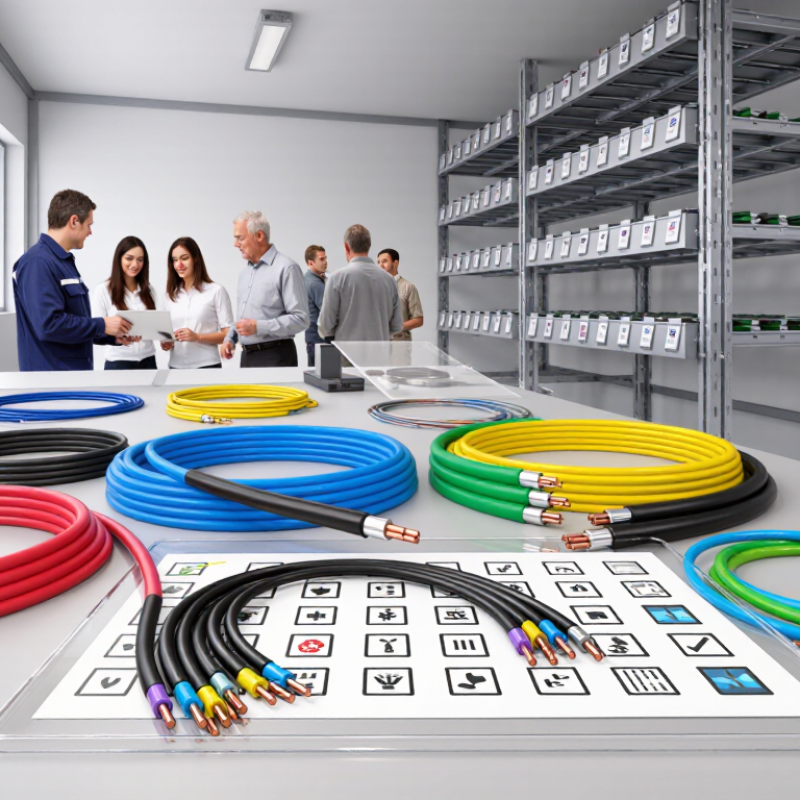
Choosing an Electrical Cable Standard is not a paperwork exercise. It affects how safely and reliably a cable performs in its actual setting. A cable routed through a warm plant room faces different conditions from one buried outdoors or installed beside sensitive equipment. Small details matter: operating voltage, conductor material, insulation type, ambient temperature, moisture, and mechanical stress. A product that appears suitable on a supplier’s page may not fit the installation once these factors are checked.

A sound choice begins with the project’s location, application, and technical requirements. Compare the standard’s scope with the cable datasheet, and check that ratings, markings, and test information match the intended use. Regional requirements can differ, so confirm current guidance with the relevant authority, manufacturer, or qualified electrical professional. Do not rely on a familiar label alone. Details matter. In practice, selection can involve trade-offs between flexibility, durability, cost, and ease of installation. The cheapest option may create complications later, while an oversized specification may add cost without solving a real problem. That balance is not always obvious. Even experienced teams can overlook a site condition when specifications are copied from an older project. Reviewing the installation environment and the latest documentation helps reduce that risk. This guide outlines the questions to ask, the information to compare, and the warning signs worth checking before choosing a cable standard.
How to Choose the Right Electrical Cable Standard?

Understanding What Electrical Cable Standards Define

Electrical cable standards define more than a cable’s size. They set shared requirements for conductor materials, insulation, voltage ratings, temperature limits, and testing. A standard may also specify how cables are marked, so buyers can identify key properties from the jacket or product documentation.

Details matter. For example, two cables with the same conductor size may have different insulation ratings or intended environments. One might suit a dry indoor route, while another is tested for moisture, heat, or mechanical wear. Standards describe how these properties are measured; they do not automatically confirm that a cable suits every installation. That distinction is easy to miss when comparing labels quickly.

Check the standard number and edition, then match the stated ratings to the actual conditions: ambient temperature, exposure to water, installation method, and expected load. A printed mark is useful, but it is not the whole story. Product data sheets can explain limits that do not fit on a cable jacket. Requirements also vary by region, so a familiar standard may not be the applicable one for a specific project. Even careful readers can overlook this. Verify the details with a qualified electrical professional when the application is unclear.

Identifying the Cable’s Application and Performance Requirements

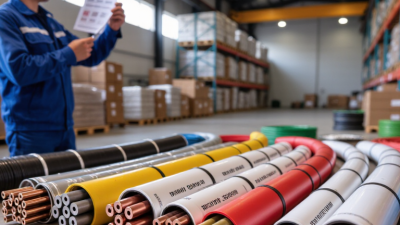
Choosing the right electrical cable standard starts with its intended application. A cable inside a dry control cabinet faces different conditions from one buried outdoors or flexed repeatedly on equipment. Record the installation location, voltage, expected current, and connection method. Note nearby heat sources, moisture, oils, chemicals, and possible impact. Small details matter.

Then compare these needs with the standard’s scope and performance limits. Check conductor material and size, insulation type, temperature rating, and permitted installation conditions. A cable that carries the required current may still be unsuitable if its insulation softens near a motor or its jacket cracks during repeated movement. Allow for startup loads and realistic ambient temperatures. Estimates can be imperfect, so document assumptions and verify them with an electrical professional.

Tips: Photograph the route, measure its length, and list every exposure before selecting a cable. Check the cable’s technical documentation against the applicable standard and local installation requirements. Heat adds up. Where conditions are uncertain, get the design reviewed rather than relying on a familiar-looking cable.

How to Choose the Right Electrical Cable Standard? - Identifying the Cable’s Application and Performance Requirements
Cable application Typical conditions and requirements Relevant standards to investigate Selection checks
Fixed low-voltage building wiring Installed in buildings for lighting and power circuits; cable may be run in conduit, trunking, or other permitted wiring systems. Common voltage classes include 300/500 V and 450/750 V, depending on cable type and local rules. IEC 60227 covers PVC-insulated cables with rated voltages up to and including 450/750 V. IEC 60228 specifies conductor classes and nominal cross-sectional areas. Applicable national wiring regulations also govern installation. Confirm installation method, conductor material and size, voltage rating, insulation temperature rating, permitted current-carrying capacity, and whether the cable is suitable for concealed or exposed installation.
Low-voltage power distribution Feeds equipment or distributes power in commercial and industrial installations. Cables may be installed indoors, outdoors, in ducts, or underground, depending on their construction and the installation rules. IEC 60502-1 applies to extruded-insulation power cables for rated voltages of 1 kV and 3 kV. IEC 60228 provides conductor requirements. National codes may add installation and testing requirements. Check system voltage, load current, short-circuit duty, voltage drop, conductor size, insulation type, sheath and moisture protection, and whether the exact cable construction is approved for the installation route.
Flexible cords and portable equipment Used where a cable must flex during normal service, such as on portable equipment. Flexing frequency, mechanical wear, oil exposure, and temperature can vary significantly by application. IEC 60245 covers rubber-insulated cables with rated voltages up to and including 450/750 V. IEC 60227 includes relevant PVC-insulated cable types up to and including 450/750 V. The required cable type depends on the specific use. Verify the cable is intended for the required degree of flexibility. Check minimum bending radius, mechanical protection, temperature range, voltage rating, and resistance to oils, chemicals, or abrasion where applicable.
Fire-sensitive building areas Used where cable flame spread, smoke, or corrosive combustion gases are regulated, such as escape routes and occupied buildings. The required fire performance depends on building rules and the installation. IEC 60332 is a series of tests for flame propagation. IEC 60754 addresses gases evolved during combustion, including acidity and conductivity. IEC 61034 addresses smoke density under defined test conditions. Treat flame spread, smoke, and gas characteristics as separate requirements. Confirm the precise test method and acceptance criteria required by the local building code; passing one test does not establish performance in the others.
Photovoltaic system wiring Connects photovoltaic modules and related equipment. Cable is commonly exposed to outdoor conditions and may experience ultraviolet radiation, temperature variation, and direct-current electrical stress. IEC 62930 specifies electric cables for photovoltaic systems, with a rated voltage up to 1.5 kV DC. Applicable photovoltaic installation rules and the cable’s declared rating must also be considered. Check DC voltage rating, environmental and UV suitability, temperature range, conductor size, connector compatibility, routing, and the requirements of the applicable electrical installation code.
Marine and shipboard installations Installed aboard ships, where vibration, moisture, restricted spaces, and fire safety can affect cable selection. Requirements vary with the vessel, location, and electrical system. The IEC 60092 series covers electrical installations in ships, including requirements relevant to shipboard cables and their use. Flag-state, classification, and vessel-specific rules may also apply. Confirm the vessel’s governing rules, installation location, voltage, mechanical and environmental exposure, fire-performance requirements, and any required approvals before specifying a cable.
Control and instrumentation circuits Carries control or measurement signals in industrial systems. Electrical noise, signal level, circuit separation, shielding, and installation environment can be important. Select a cable construction and relevant product standard that match the system and jurisdiction. IEC 60228 can be relevant to conductor characteristics; EMC and installation requirements may be specified separately by the system design and local rules. Determine whether screening or twisted pairs are needed, and check conductor resistance, capacitance, insulation, voltage rating, separation from power cables, grounding practice, and environmental protection.
Practical note: A standard is not a substitute for cable sizing or installation design. Confirm the current edition, local regulations, complete cable marking, manufacturer’s declared ratings, installation conditions, and required test evidence before procurement or installation.

Comparing Relevant Standards, Ratings, and Certifications

How to Choose the Right Electrical Cable Standard?

A cable standard is useful only when it matches the installation. Compare the standard’s scope, voltage rating, conductor class, insulation type, and test requirements. IEC 60228, for example, classifies conductor construction; it does not confirm that a complete cable suits every environment. Check the applicable product standard and its edition. A cable for a fixed indoor circuit may not be suitable for a damp trench or repeated movement.

Ratings need the same careful comparison. Confirm operating voltage, conductor temperature, short-circuit limits, and resistance to heat, moisture, chemicals, or sunlight. Also check how the cable will be installed: in a conduit, tray, or buried route. Certification provides another layer of evidence, but its scope matters. Verify that the exact cable type and rating appear in the certification record, and that the mark is accepted for the project’s location. Different standards are not automatically interchangeable.

Tips: Compare the cable datasheet against the project specification line by line. Check conductor size, insulation, test references, and temperature limits. Ask the supplier for current certificates when details are unclear. A familiar standard can still be the wrong fit. It is easy to focus on voltage and overlook installation conditions; that small oversight deserves a second look.

Checking Environmental and Installation Compatibility

How to Choose the Right Electrical Cable Standard?
Checking Environmental and Installation Compatibility

A cable standard must fit the place and method of installation, not just the expected voltage. Check the site’s temperature range, moisture exposure, sunlight, and contact with oils or cleaning chemicals. A cable suitable for a dry indoor room may degrade outdoors or near industrial equipment. Small details matter. Heat adds up when cables are grouped tightly or run through poorly ventilated spaces, so confirm their temperature rating and current-carrying capacity for the actual arrangement.

Tips: Record the route, ambient temperature, and likely exposure before comparing cable specifications. Check whether the installation uses conduit, trays, or direct burial. Allow for bends, pulling tension, and abrasion at entry points.

One easy-to-miss weakness is assuming that a cable rated for a harsh environment can be installed by any method. Its sheath, insulation, and construction must also suit the route. For example, a cable exposed to sunlight needs appropriate UV resistance, while a buried run needs protection suited to soil and moisture conditions. Verify the relevant standard and local requirements with a qualified electrical professional. Conditions can change after installation; a quick review of the route is worthwhile.

Verifying Compliance for the Selected Cable Standard

After selecting an electrical cable standard, verify that it matches the project’s location, voltage, installation method, and operating conditions. Standards can differ in conductor size, insulation ratings, fire performance, and testing requirements. Check the exact standard number and edition in the project specification; a familiar title alone may not identify the right version.

Compare the cable’s markings and technical data sheet with the standard’s requirements. Confirm conductor material and cross-sectional area, rated voltage, temperature range, and applicable test results. Ask the supplier for traceable test reports or certificates, then check that the documents refer to the same cable type and production batch. A certificate is useful, but it does not replace reviewing the actual requirements. Details matter.

Tips: Keep a compliance checklist beside the cable schedule. Record each requirement, its evidence, and who reviewed it. If a marking is unclear, request clarification before installation. That small pause can prevent rework.

Site conditions deserve a second look. A compliant cable may still be unsuitable if exposure to moisture, chemicals, heat, or movement was overlooked. I have seen paperwork look complete while one project detail remained uncertain. Compare the documents with the installation drawings and applicable local requirements, and involve a qualified electrical professional when interpretations conflict. Don’t guess. Keep the review record with the project files so later inspections can follow the decision.