How to Choose the Right Home Wire for Your Electrical Needs?
Choosing the right home wire is crucial for safety and efficiency in any electrical project. According to the National Electrical Code, improper wiring can lead to fires, making quality and selection paramount. Industry experts assert that understanding the various types of wires is essential for homeowners and contractors alike. John Smith, a renowned electrical engineer, emphasizes, “Selecting the correct wire minimizes risks and enhances electrical performance.”
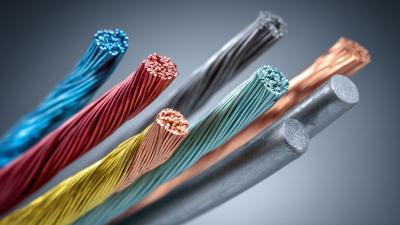
With multiple wire types available, decisions can become overwhelming. Copper and aluminum are the primary materials used, each varying in conductivity and cost. Data from the Electrical Safety Foundation International points out that 51% of home electrical fires are traced back to wiring issues. Such statistics underscore the need for careful consideration in wire choice.
Taking into account the amperage needs and installation environment is also vital. Many homeowners overlook these factors, leading to inadequate performance. Experts advise on consulting with licensed electricians to ensure proper installation. Awareness of local codes and regulations can prevent costly mistakes. Choosing the right home wire is not just about preference; it's a matter of safety and reliability.

Understanding Different Types of Home Wiring and Their Applications
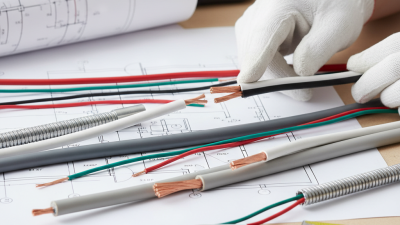
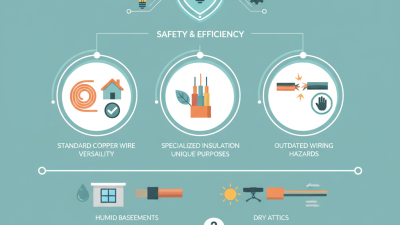
When considering home wiring, it’s essential to understand the different types available and their specific applications. For instance, Non-Metallic (NM) cable is commonly used in residential buildings. This type is easy to install and offers flexibility, making it suitable for various areas in your home. According to the National Electrical Code (NEC), NM cable is safe for dry locations but should not be used in damp areas. This specificity highlights the need for choices based on location.
Another prevalent type is Armored Cable (AC). It provides additional protection against physical damage and is often used in commercial settings. Research indicates that AC wiring can improve electrical safety, reducing risks associated with wear and tear. However, the installation process can be more complex, which might not make it ideal for every homeowner.
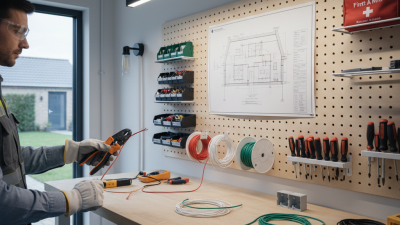
Tips: Always consult a certified electrician when unsure of your wiring needs. They can assess your home’s layout and electrical load to recommend the best materials. Additionally, consider future renovations and potential electrical demands when selecting wiring types. Ensuring compatibility with your home’s systems can save you from costly adjustments later on.
Evaluating Electrical Load Requirements for Your Home Wiring Needs
When evaluating electrical load requirements for your home, it's essential to assess your total energy consumption. The U.S. Department of Energy suggests that a typical home uses about 877 kWh per month. Ensure your wiring can handle this demand. High-energy appliances, like HVAC systems or water heaters, can draw significant power. These devices typically require dedicated circuits to prevent overload.
Consider the amperage of your electrical service. Most homes have 100 to 200 amps, depending on size and appliances. A larger electrical load can push your system to its limits. A study by the National Fire Protection Association indicates that improper wiring can lead to electrical fires. Therefore, accurately calculating your needs is crucial.
Using an online load calculator can provide insight into your requirements. Common calculations include lights, outlets, and significant appliances. Don't overlook future additions, like electric vehicles or smart home devices. Planning for expansions can save trouble later. Balancing your needs with safety is a delicate task, and professional guidance can help.
Selecting the Right Gauge of Wire for Safety and Efficiency
Choosing the right gauge of wire is crucial for electrical safety and efficiency. The wire gauge determines the amount of current it can carry. According to the National Electric Code, using the correct size can reduce the risk of overheating. A wire that is too small can generate excessive heat. In fact, improperly sized wires are a common cause of electrical fires.
For general household wiring, 12-gauge wire is a standard choice for circuits drawing up to 20 amps. However, a 14-gauge wire is acceptable for 15-amp circuits. It’s essential to consider the load that will run on the circuit. The American wire gauge (AWG) system provides a reliable reference for sizing. Many households neglect to factor in future needs. Expanding your electrical system requires foresight in wire selection.
Consider the length of the run as well. Longer distances may incur voltage drop, making a thicker gauge necessary. A 10% voltage drop may affect appliance performance. Always err on the side of caution. Using a wire gauge that is too thin can lead to inefficiencies and potential hazards. Careful planning is essential for optimal home safety.
Comparing Insulation Materials for Home Electrical Wiring
When selecting insulation materials for home electrical wiring, it’s essential to understand their characteristics. PVC (polyvinyl chloride) is commonly used. It offers excellent resistance to moisture and chemicals. This makes it suitable for various environments. However, PVC can emit harmful gases when burned. This raises concerns for safety.
Another popular option is XLPE (cross-linked polyethylene). It has a higher temperature rating and better chemical resistance than PVC. According to industry research, XLPE can withstand temperatures up to 90°C, making it ideal for high-performance applications. It also has a lower flammability rate compared to traditional materials, which is a significant advantage. However, its cost is often higher.
Rubber insulation is another alternative worth considering. It provides superior flexibility and resistance to wear. Many professionals recommend it for outdoor applications where durability is critical. Despite its advantages, rubber can degrade when exposed to certain oils or solvents. This highlights the importance of considering your specific electrical needs carefully. Moreover, selecting the right insulation is not always straightforward. Each type has its pros and cons, which require reflection based on your home's requirements.
Identifying Local Building Codes and Regulations for Wiring Choices
When selecting the right wire for your home’s electrical system, understanding local building codes is crucial. Each region has unique regulations that dictate what materials and installation methods are acceptable. These codes ensure safety and efficiency in residential wiring. For example, in some areas, using specific wire types for different applications is mandatory. This might include requirements for outdoor versus indoor wiring.
Researching your local codes helps prevent costly mistakes. Sometimes, homeowners overlook these essential details, leading to compliance issues. Inspections might flag improper installations, resulting in fines or requiring rewiring. Engaging with local building departments can provide clarity. They often have resources and documents that outline standards.
Familiarize yourself with local electricians too. Their experience can guide your decisions. They stay updated on changes in regulations that might affect wiring choices. However, the nuances of each regulation can be complex. Misunderstanding a code could compromise safety or function. Being proactive can save you from potential pitfalls down the line.
Choosing the Right Home Wire for Your Electrical Needs