Understanding Crane Cable: Essential Insights for Safe Lifting Operations in Heavy Industries
In the heavy industries, the safety and efficiency of lifting operations heavily rely on the quality and characteristics of the equipment used, particularly crane cables. Crane cables are critical components that facilitate lifting and moving heavy loads, and their proper selection and maintenance are essential to prevent accidents and ensure operational reliability. According to the Occupational Safety and Health Administration (OSHA), inadequate or damaged crane cables account for a significant percentage of lifting-related incidents, emphasizing the need for rigorous inspection and testing protocols. A report by the International Organization for Standardization (ISO) indicates that the global crane cable market is projected to grow significantly, driven by increasing construction and infrastructure projects worldwide. Understanding the different types of crane cables, their material properties, and their specifications is crucial for industry professionals to optimize safety and performance in lifting operations.
Types of Crane Cables Used in Heavy Industries
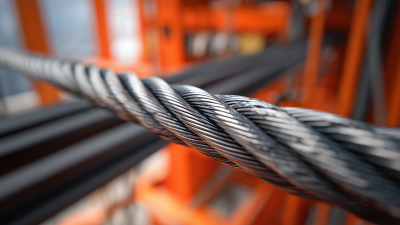
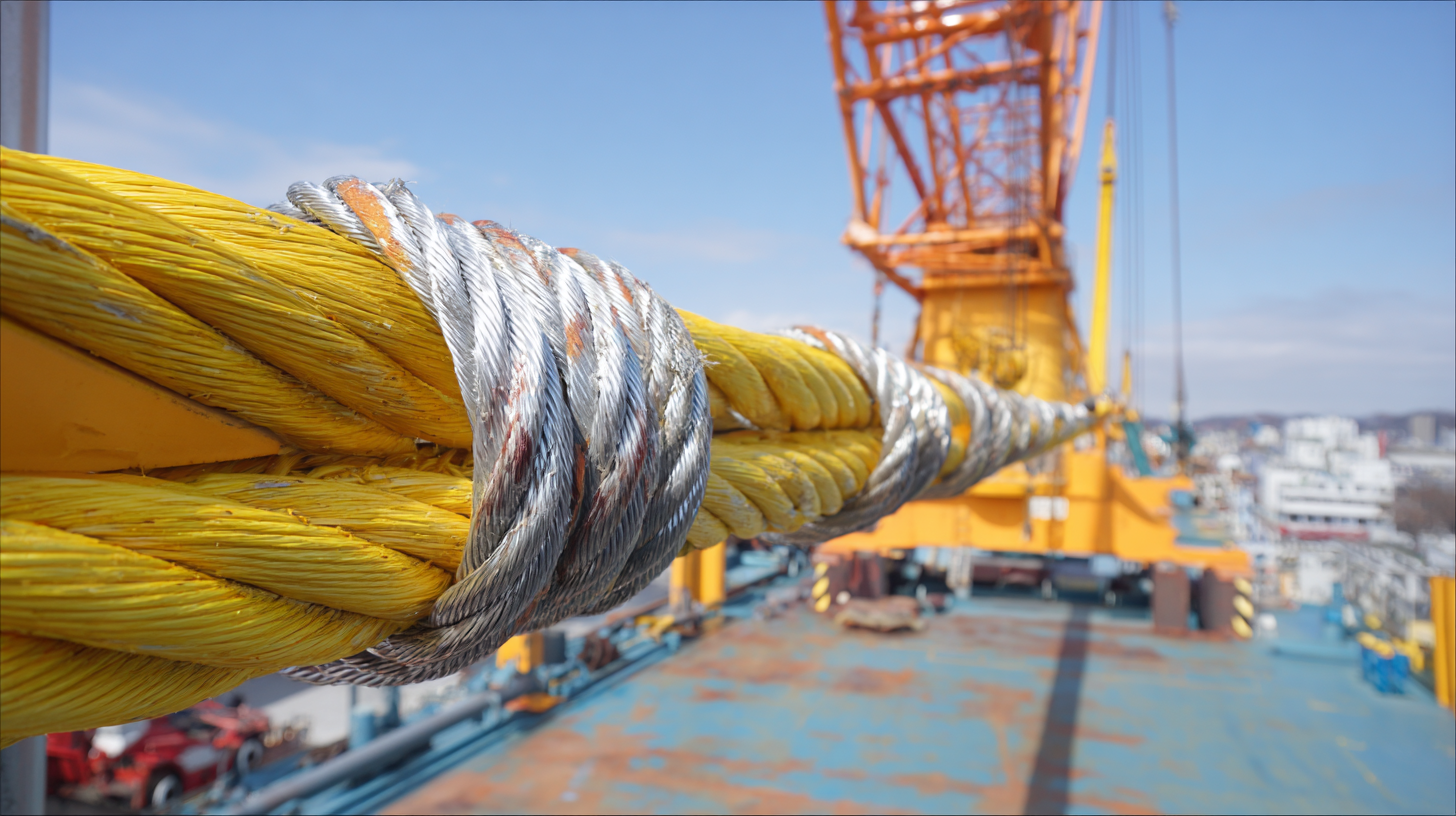
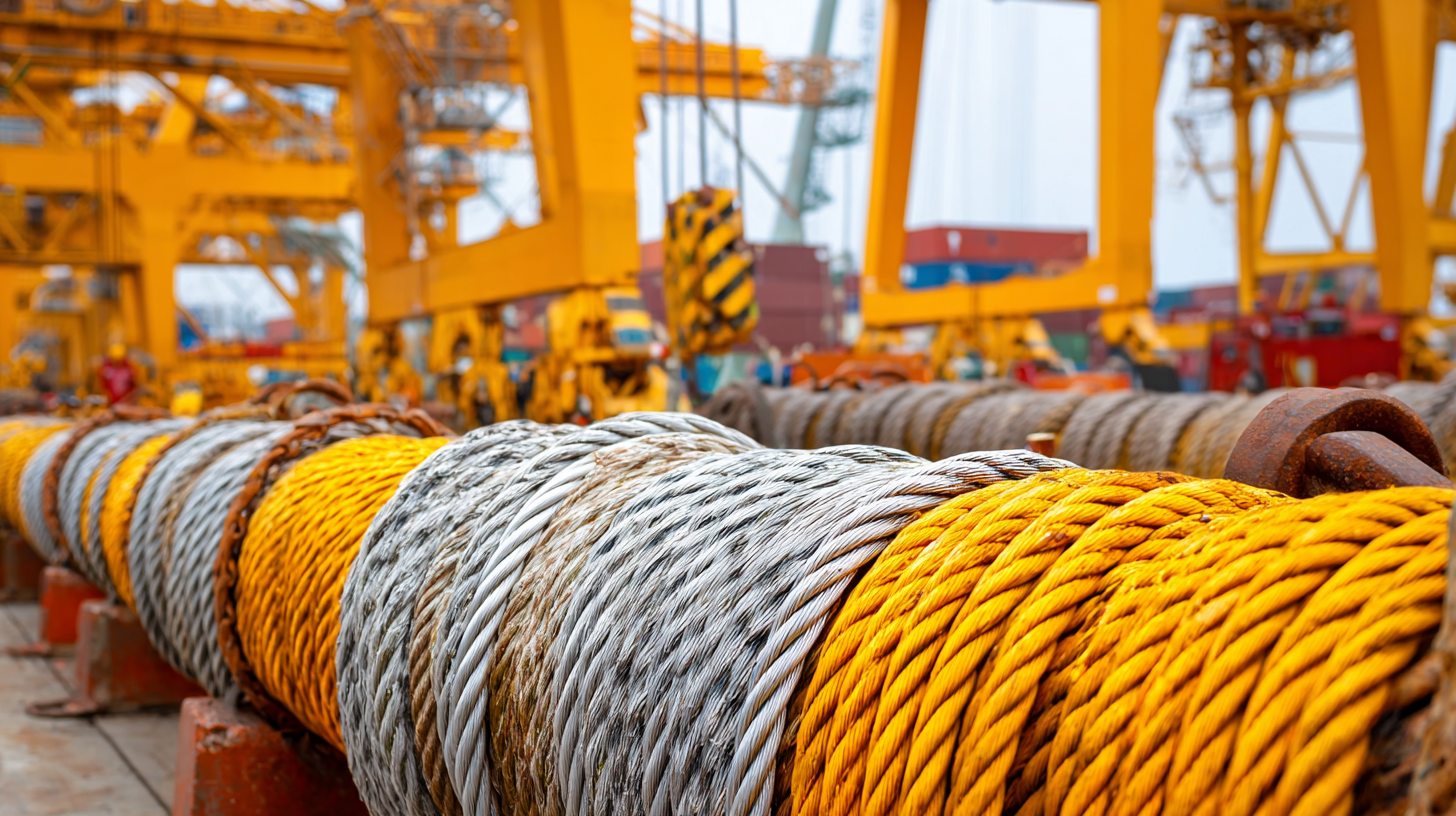 When it comes to lifting operations in heavy industries, selecting the right type of crane cable is crucial for ensuring safety and efficiency. There are primarily three types of crane cables used: wire rope, synthetic rope, and flat woven rope. Wire ropes, known for their high tensile strength and durability, are commonly used in heavy lifting situations. According to industry reports, wire ropes can handle loads exceeding 300 tons, making them suitable for cranes in shipping and construction sectors. Synthetic ropes, on the other hand, are gaining popularity due to their lightweight nature and resistance to corrosion, which is particularly beneficial in marine applications.
Tips: Regular inspection of crane cables is vital. Look for signs of wear, fraying, or corrosion, as these can significantly impact performance and safety. It’s recommended to adhere to a strict inspection schedule, following guidelines from organizations like OSHA, which emphasizes regular maintenance practices.
Flat woven ropes are often used in specialized cranes for lifting lighter materials or in applications where flexibility is more critical than load capacity. These ropes are typically resistant to UV rays and chemicals, making them a versatile choice. Reports indicate that the lightweight nature of synthetic and flat woven ropes allows for easier handling, thus increasing overall operational efficiency while maintaining safety standards.
Key Features and Specifications of Crane Cables
When it comes to lifting operations in heavy industries, the choice of crane cable is paramount for ensuring safety and efficiency. Crane cables come in various types, each designed for specific applications and load capacities. According to a recent industry report by the International Association of Bridge, Structural, Ornamental and Reinforcing Iron Workers, nearly 60% of crane-related accidents are linked to improper cable specifications and usage. Therefore, understanding key features such as tensile strength, flexibility, and resistance to environmental factors is crucial.
The specifications of crane cables typically include core construction, wire diameter, and the number of stands. For instance, a common choice for many industrial applications is a 6-strand wire rope with a diameter of 12 mm, which provides an optimal balance between strength and flexibility. Additionally, reports indicate that high-performance cables with enhanced fatigue resistance can extend service life by up to 30%, significantly reducing downtime and maintenance costs. Understanding these specifications helps industries select the right crane cable suited to their specific lifting needs, ultimately fostering a safer and more productive work environment.
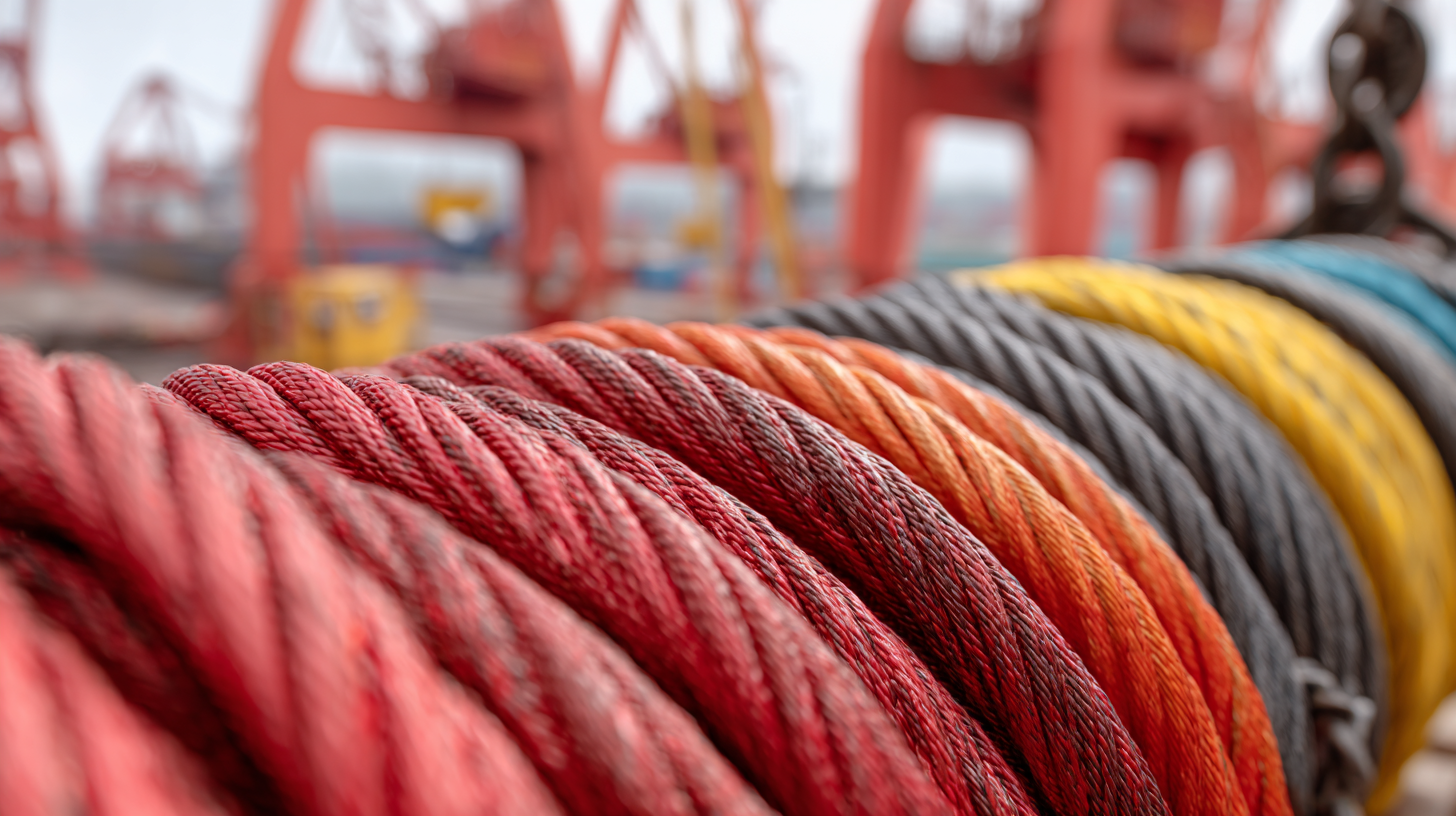
Safety Standards and Regulations for Crane Cables
In heavy industries, the safety of crane cables is governed by stringent safety standards and regulations to mitigate risks during lifting operations. The Occupational Safety and Health Administration (OSHA) reports that failures in crane systems often lead to severe incidents, emphasizing the need for proper inspections and adherence to safety protocols.
Recent advisories highlight the importance of ensuring the integrity of lifting wire ropes, reminding operators and crew about the critical nature of equipment maintenance and monitoring.
Innovations such as automated visual inspection tools are paving the way for enhanced safety measures in heavy-lift operations. These advancements aim to provide real-time assessments of wire ropes and other components to detect potential failures before they become catastrophic.
The US Coast Guard has also issued alerts regarding hazards associated with crane wire ropes aboard ships, reinforcing the necessity for regular evaluations and adherence to safety guidelines.
As the industry moves toward developing and deploying more advanced technology, maintaining a comprehensive understanding of safety standards remains essential for preventing accidents and ensuring operational reliability in challenging environments.
Maintenance Practices for Ensuring Cable Integrity
Maintaining the integrity of crane cables is crucial for ensuring safety and efficiency in heavy lifting operations. Regular inspections should be a cornerstone of any maintenance program. Operators and maintenance personnel should conduct visual inspections for signs of wear and deterioration, such as fraying, corrosion, or Kinking. Identifying these issues early allows for timely repairs or replacements, reducing the risk of accidents and enhancing operational reliability.
Lubrication plays a vital role in prolonging cable life. Applying the appropriate lubricant helps reduce friction between the wires and prevents rust formation. This practice not only protects the cable from the elements but also minimizes wear during operation. Furthermore, storing cables correctly when not in use—avoiding excessive tension and exposure to harsh environments—can significantly extend their lifespan. Implementing these maintenance practices fosters a safer work environment and optimizes crane performance in demanding industrial settings.
Understanding Crane Cable Integrity and Maintenance Practices
Common Issues and Troubleshooting Tips for Crane Cables
When it comes to crane operations in heavy industries, the reliability of crane cables is paramount for ensuring safety and efficiency. However, several common issues can arise with crane cables, potentially leading to malfunction or accidents. The most prevalent problems include wear and tear from excessive load, incorrect winding on drums, and exposure to harsh environmental conditions. According to a report from the Occupational Safety and Health Administration (OSHA), approximately 65% of crane-related incidents involve equipment failure, with faulty cables often being a contributing factor.
Troubleshooting these issues requires a systematic approach. Operators should frequently inspect cables for signs of fraying, corrosion, or kinks. Regular maintenance, including lubrication and timely replacement of damaged sections, can significantly extend the lifespan of the cables. A study conducted by the International Organization for Standardization (ISO) indicates that proactive monitoring and maintenance can reduce operational downtime by up to 40%. By implementing rigorous inspection routines and leveraging technology for real-time cable condition monitoring, industries can enhance the safety and reliability of their lifting operations.
Understanding Crane Cable: Essential Insights for Safe Lifting Operations in Heavy Industries
| Cable Type |
Load Capacity (tons) |
Common Issues |
Troubleshooting Tips |
| Steel Wire Rope |
20 |
Wearing and fraying |
Regularly inspect for wear; replace if fraying exceeds 10% of diameter. |
| Synthetic Rope |
15 |
UV damage and abrasion |
Store indoors when not in use; use protective sleeves in abrasive environments. |
| Chain Sling |
10 |
Rust and corrosion |
Keep clean and lubricated; replace if significant rusting is noted. |
| Fiber Rope |
5 |
Stretch and loss of integrity |
Avoid overloading; replace if significant stretching or integrity loss occurs. |