What is Direct Burial Copper Wire and Its Benefits for Underground Projects?
Direct Burial Copper Wire is an essential consideration for a variety of underground projects, providing reliable and efficient solutions for electrical installations buried below the ground. This specialized type of wiring is designed specifically for direct placement in the earth, offering remarkable benefits that cater to both residential and commercial applications. The advantages of using Direct Burial Copper Wire include its exceptional durability, resistance to moisture, and ability to withstand harsh environmental conditions, which make it an ideal choice for long-term installations.
In the context of underground construction, the choice of materials can greatly impact the operational efficiency and longevity of electrical systems. Direct Burial Copper Wire stands out due to its robust nature and resistance to corrosion, ensuring that electrical connections remain secure over time. Additionally, its ease of installation reduces the need for extensive conduit systems, thereby simplifying the wiring process and reducing labor costs. As ongoing advancements in technology push for more efficient building practices, understanding the properties and advantages of Direct Burial Copper Wire becomes increasingly important for contractors and project managers alike.
Understanding Direct Burial Copper Wire and Its Uses in Underground Projects
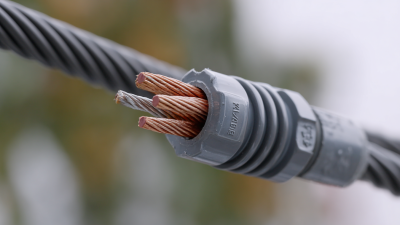
Direct burial copper wire is specifically designed for installations that require cables to be laid directly in the ground without additional protection. This type of wire features a building code-compliant insulation that can withstand moisture and environmental factors, making it ideal for underground applications. Its construction often includes a durable outer coating, which protects against soil acidity and temperature fluctuations. This resilience makes direct burial copper wire an optimal choice for various underground projects, such as outdoor lighting, irrigation systems, and power distribution for remote structures.
One of the significant benefits of using direct burial copper wire lies in its conductivity and reliability. Copper wire has excellent electrical properties, allowing for efficient transmission of power with minimal loss. Additionally, the direct burial aspect eliminates the need for conduits or additional protective measures, simplifying installation processes while reducing associated costs. Furthermore, since the wire can be buried without extensive prior preparation, it is an excellent solution for projects requiring quick deployment or adjustments in existing setups, making it a preferred choice for both residential and commercial applications.
Direct Burial Copper Wire Uses in Underground Projects
Key Features of Direct Burial Copper Wire for Electrical Applications
Direct burial copper wire is increasingly popular for electrical applications, particularly in underground projects where durability and conductivity are paramount. One of its key features is the ability to withstand harsh environmental conditions, such as moisture and soil corrosion, thanks to its insulation, which is designed for direct burial. According to the National Electrical Manufacturers Association (NEMA), using direct burial wire can significantly enhance the lifespan of electrical installations underground, reducing maintenance and replacement costs over time.
Additionally, direct burial copper wire offers superior conductivity compared to aluminum alternatives, making it ideal for projects requiring high electrical efficiency. A report by the Institute of Electrical and Electronics Engineers (IEEE) indicates that copper’s lower resistivity can contribute to a more reliable power distribution, decreasing the energy losses that could otherwise occur with inferior materials. This is essential for both residential and commercial projects, as it ensures that energy use is optimized.
Tips: When selecting direct burial copper wire for your project, ensure that you check the insulation ratings and environmental recommendations. Proper installation techniques can also greatly influence performance; consider consulting with a professional for best practices. Moreover, always review local building codes and regulations to ensure compliance with safety standards during your installations.
What is Direct Burial Copper Wire and Its Benefits for Underground Projects? - Key Features of Direct Burial Copper Wire for Electrical Applications
| Feature |
Description |
Benefits |
| Material |
Made from high-quality copper |
Excellent conductivity and corrosion resistance |
| Insulation Type |
Thick, UV-resistant polyethylene |
Durable against weathering and physical damage |
| Application |
Ideal for underground electrical installations |
Reduced installation costs and improved safety |
| Temperature Rating |
Rated for high temperature operation |
Reliable performance in diverse environments |
| Direct Burial |
Designed specifically for direct burial without conduit |
Saves time and materials in installation |
Advantages of Choosing Direct Burial Copper Wire in Construction Projects
Direct burial copper wire is an essential choice for underground electrical installations, offering numerous advantages that make it ideal for construction projects. This type of wire is specifically designed to withstand harsh environmental conditions, including moisture and soil acidity. According to a study by the National Electrical Manufacturers Association (NEMA), copper wire maintains its conductivity better than its aluminum counterparts, which is critical in preventing energy losses over time. By utilizing direct burial copper wire, construction projects can enhance their efficiency and ensure a reliable power supply, ultimately reducing long-term operational costs.
In addition to its superior conductivity, direct burial copper wire is known for its durability and resistance to corrosion. The Institute of Electrical and Electronics Engineers (IEEE) reports that copper wire can last over 50 years when properly installed underground, which is a significant advantage for infrastructure projects that aim for longevity. Furthermore, the installation of this wiring typically requires fewer maintenance interventions, significantly lowering costs associated with repairs and replacements. These benefits make direct burial copper wire not only a practical choice but also a financially sound investment in the construction sector, particularly for projects that demand high performance and reliability.
Installation Best Practices for Direct Burial Copper Wire
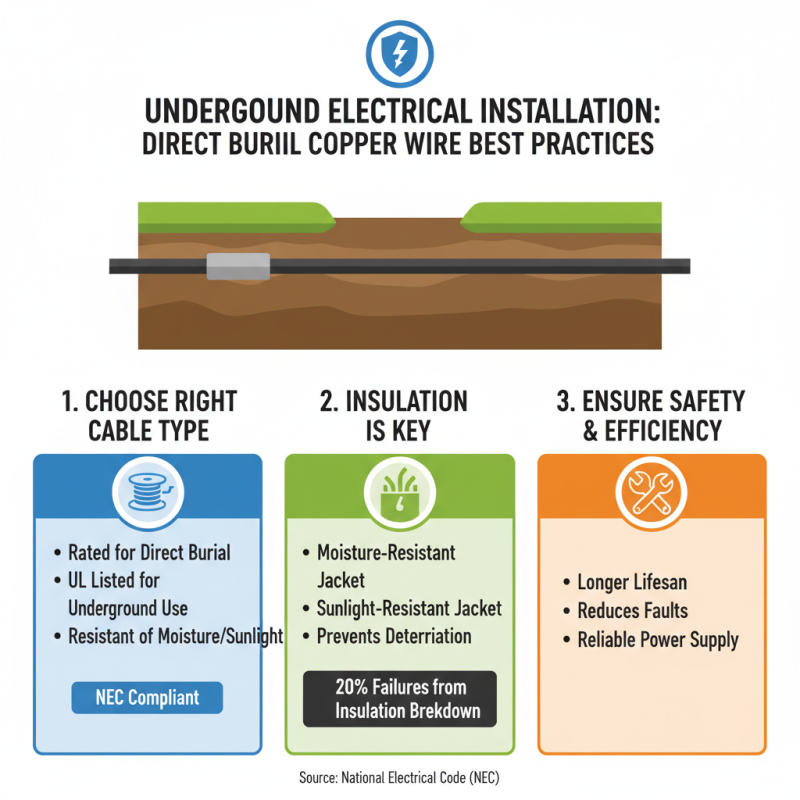
When it comes to underground electrical installations, adhering to best practices for direct burial copper wire is crucial to ensure safety and efficiency. First and foremost, it is essential to choose the right type of cable rated for direct burial. According to the National Electrical Code (NEC), cables that are specifically designed for underground use should have appropriate insulation to withstand moisture and environmental conditions. This includes using either a sunlight-resistant or moisture-resistant jacket to prevent deterioration over time, which is vital given that over 20% of electrical failures are due to insulation breakdown.
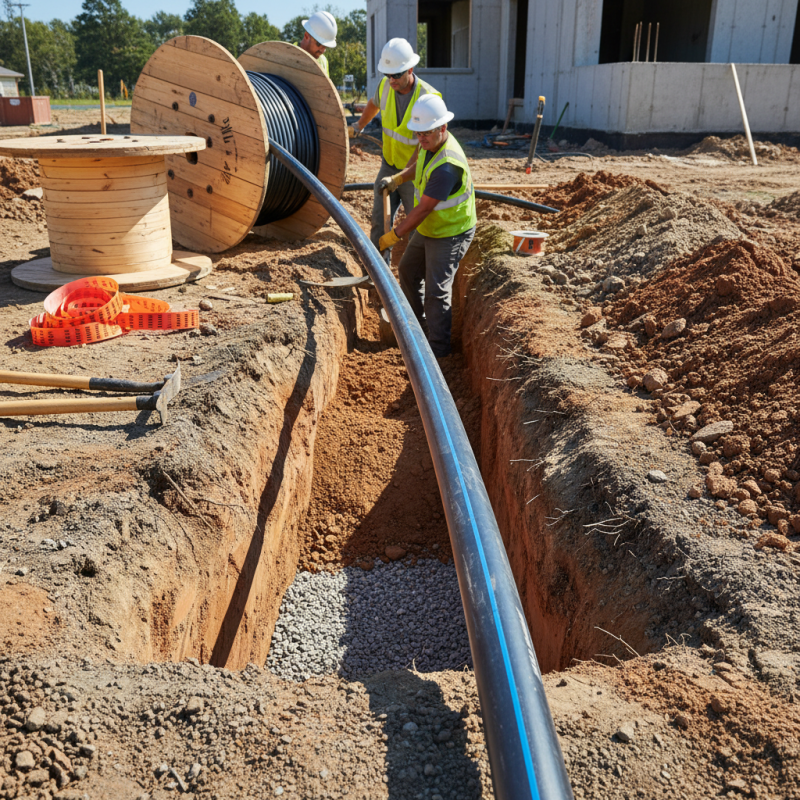
Another critical consideration during installation is the depth of the burial. Industry standards suggest that direct burial cables should be buried at least 24 inches below ground level in residential settings. This depth not only minimizes the risk of accidental damage but also protects the wiring from frost, soil movement, and other natural elements. Furthermore, it’s advisable to employ warning tape above the wire to alert future excavation activities, an approach shown to reduce accidental cut incidents by nearly 50%, according to industry safety reports. Proper installation practices, including avoiding sharp bends and maintaining the integrity of the wire throughout the process, ensure the longevity of the installation and compliance with safety regulations.
Comparative Analysis: Direct Burial Copper Wire vs. Other Underground Wires
When considering options for underground wiring, Direct Burial Copper Wire stands out for its durability and conductivity. Unlike other underground wires, such as aluminum or standard insulated cables, direct burial copper wire is designed specifically for direct installation in soil, removing the need for conduit. This not only reduces installation time and costs but also minimizes the risk of damage due to environmental factors like moisture and soil movement. The inherent conductivity of copper provides an efficient transmission of electricity, making it a dependable choice for various underground applications.
In contrast, other underground wire types often require additional layers of insulation or special coatings to protect against corrosive elements in the soil. For example, while aluminum wire is lighter and often cheaper, it has a higher resistance, which can lead to power losses over long distances. Furthermore, certain insulated wires may not be suitable for burial due to their vulnerability to moisture or physical damage. Direct burial copper wire, being more resistant to these issues, provides a safer and more efficient solution for projects requiring reliable underground wiring. Its long-term performance and minimal maintenance needs further solidify its position as a top choice for underground installations.