How to Use Direct Burial Wire for Outdoor Electrical Installations?
In the world of outdoor electrical installations, the right choice of materials can make all the difference. "Direct Burial Wire" is a key component that ensures safety and durability. According to electrical expert John Fitzgerald, "Using the correct burial wire is crucial to prevent damage and ensure longevity." His insight highlights the importance of proper selection.
Direct Burial Wire is designed to withstand harsh outdoor conditions. It features insulation that protects against moisture and temperature changes. However, many overlook the installation process. Incorrect installation can lead to hazards. The wire needs to be buried at the right depth for optimal safety.
Installing Direct Burial Wire requires careful planning. Be mindful of local codes and regulations. Familiarity with these can prevent issues later. Often, electricians need to rethink their approach. Mistakes can be costly. Nevertheless, with the right knowledge, Direct Burial Wire can be a reliable solution for outdoor projects.
Understanding Direct Burial Wire and Its Applications
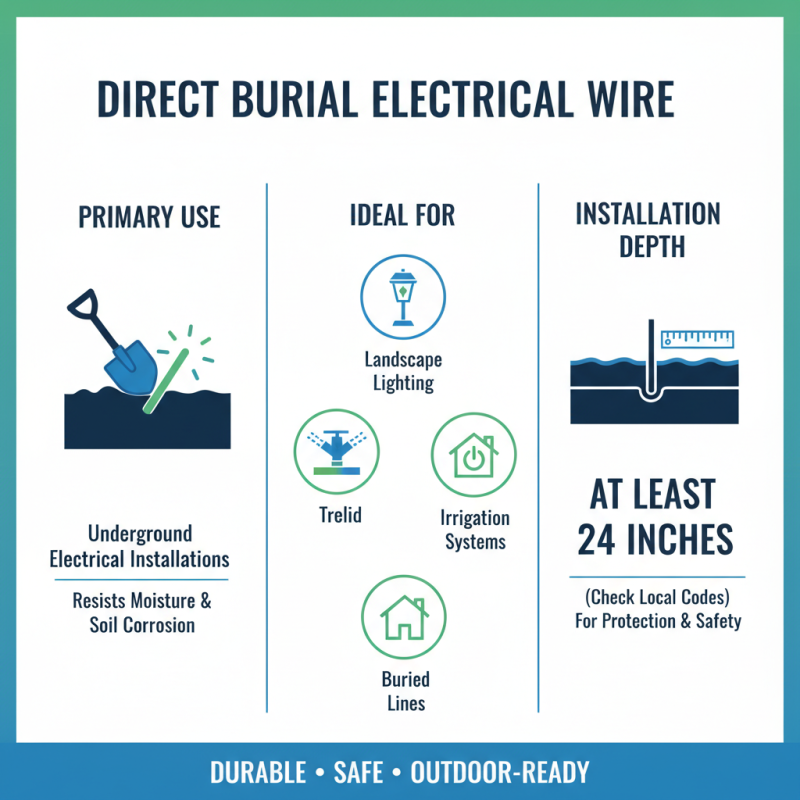
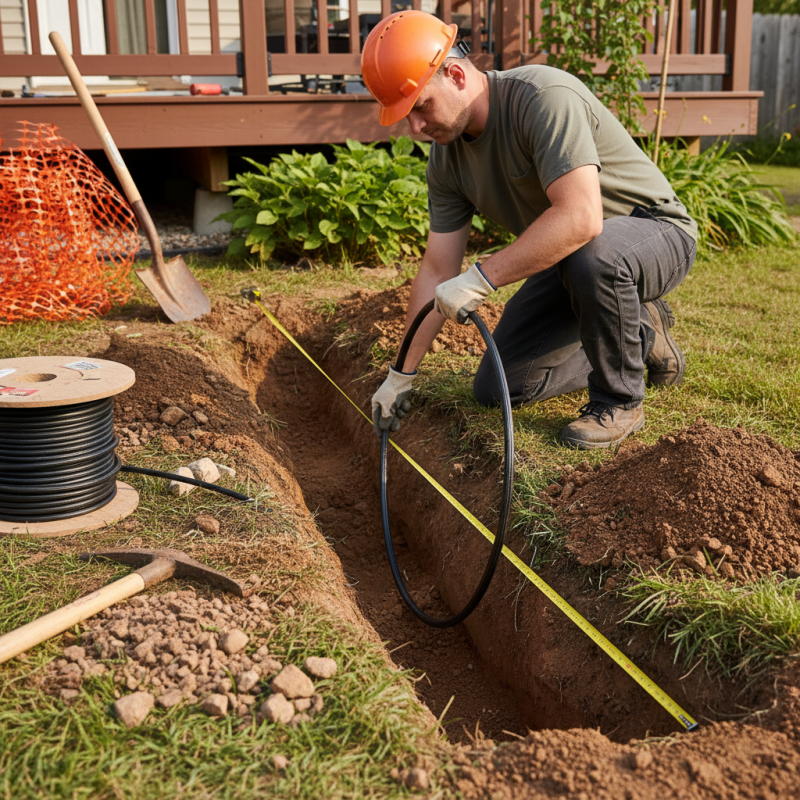
Direct burial wire is designed specifically for underground electrical installations. It has a robust coating that resists moisture and soil corrosion. This type of wire is ideal for outdoor projects such as landscape lighting, irrigation systems, and buried power lines. The wire must be buried at least 24 inches deep, depending on local codes. This depth protects it from damage and ensures safety.
When using direct burial wire, consider the environment. Wet soils can affect conductivity. Always check the insulation rating. It should match your installation needs. Using the wrong type can lead to failures. Installation requires careful planning. Use a trenching tool to avoid damaging existing utilities. Mark the area to prevent accidents.
Take time to understand the wire's limitations. Direct burial isn’t suitable for all applications. It may degrade faster in extreme conditions. Proper testing and maintenance are crucial. Regular checks can catch potential issues early, ensuring a safe electrical system.
Choosing the Right Type of Direct Burial Wire for Your Project
When choosing the right type of direct burial wire for outdoor electrical installations, consider several factors. The wire should be rated for underground use. Look for insulation that can withstand moisture and temperature changes. A common choice is UF (Underground Feeder) cable. It’s designed for long-term durability.
Reminder: not all wires are equal. Some may be less robust than others, leading to future problems. Think about the length of the run required for your project. The wire gauge affects voltage drop. Thicker wire can reduce energy loss, but it may cost more. Don’t forget to check local codes, too. They often dictate wire specifications for safety.
Choosing the right wire isn’t just about features. It’s about anticipating future needs. Consider factors like ground conditions and installation depth. Are you near trees? Roots can damage wires if not buried deep enough. Reflect on your choices and the potential consequences. Making informed decisions can save you time and money in the long run.
Types of Direct Burial Wire for Outdoor Electrical Installations
Preparing the Site for Direct Burial Wire Installation
Preparing the site for direct burial wire installation is crucial for safety and longevity. Start by choosing the right location. Avoid areas with heavy foot traffic or potential interference from tree roots. A report from the National Fire Protection Association (NFPA) indicates that improper placement can lead to outages and hazards.
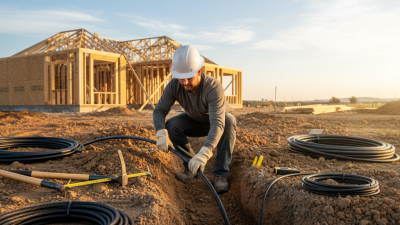
Next, it’s important to dig the trench to the recommended depth. According to the National Electrical Code (NEC), a minimum of 24 inches is advisable for direct burial cables. This depth helps protect against accidental damage. Remember that soil conditions can vary. You might encounter rocky or wet soil, which can make digging more challenging.
Consider the weather conditions, too. Wet soil may collapse easily, adding complexity to your task. After digging, inspect the trench for any debris or sharp objects. These can pose a risk to your cable integrity. Take your time to ensure everything is in order before laying the wire. Rushing can lead to mistakes, like insufficient protection from future wear and tear. The installation process requires thoughtfulness, ensuring a safer environment for the electric system.
Step-by-Step Guide to Installing Direct Burial Wire Outdoors
Installing direct burial wire outdoors requires careful preparation and execution. Start by choosing the right type of wire. Look for UV-resistant and moisture-rated wire. This will ensure longevity and safety. Next, plan the installation route. Consider the landscape and any potential obstacles. Sketching a simple diagram can help visualize the path.
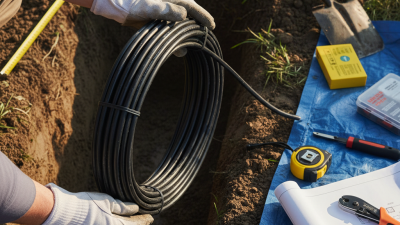
When digging, aim for the recommended depth. This usually ranges from 24 to 30 inches. Use a shovel for precision, and keep the soil around for later refilling. As you lay the wire, ensure it’s straight and not kinked. Bury it in a trench, covering it with 6 inches of soil. Then, add warning tape above the wire to prevent accidental damage during future digging.
After installation, check your work. Ensure that all connections are secure and dry. If the wire isn’t buried deep enough, it could lead to problems later. Reflect on your process. Did you account for potential issues? Think about the next steps for connecting it to your outdoor fixtures. Every small detail matters in ensuring a safe and functional outdoor electrical system.
How to Use Direct Burial Wire for Outdoor Electrical Installations?
| Step |
Description |
Tools Needed |
Safety Precautions |
| 1 |
Plan the installation route and determine the depth. |
Tape measure, marking spray. |
Wear gloves and protective eyewear. |
| 2 |
Excavate the trench along the planned route, maintaining the necessary depth. |
Shovel, spade. |
Check for underground utilities before digging. |
| 3 |
Lay the direct burial wire in the trench. |
Direct burial wire. |
Ensure wire is rated for direct burial. |
| 4 |
Cover the wire with gravel to aid drainage. |
Gravel. |
Ensure proper ventilation of the wire. |
| 5 |
Backfill the trench with soil and compact it. |
Shovel. |
Avoid damaging the wire while backfilling. |
| 6 |
Test the installation for electrical continuity. |
Multimeter. |
Ensure power is off before testing. |
Safety Precautions for Working with Direct Burial Electrical Wires
When working with direct burial electrical wires, safety should be your top priority. The National Electrical Code (NEC) offers guidelines on the proper installation and maintenance of these wires, yet many people overlook critical safety measures. For instance, nearly 30% of outdoor electrical accidents result from improper handling of wires. This statistic highlights the importance of understanding safe installation practices.
Here are some vital safety tips. Always wear protective gear, such as gloves and safety goggles. Ensure the power is turned off before starting any installation. Additionally, use wire that is specifically rated for direct burial, as it provides better insulation against moisture. Many experts recommend a minimum burial depth of 24 inches to reduce risks from soil disruption.
It's also common for DIY enthusiasts to underestimate installation challenges. Be mindful of your local soil conditions, as rocky or wet soil can complicate burial. Moreover, stray voltage can become a hidden danger. Consider hiring a professional if you are unsure. Lack of expertise can lead to serious consequences, like electrical shocks or even fires. Adhering to safety protocols can prevent such mishaps. Always conduct a thorough inspection of your work.