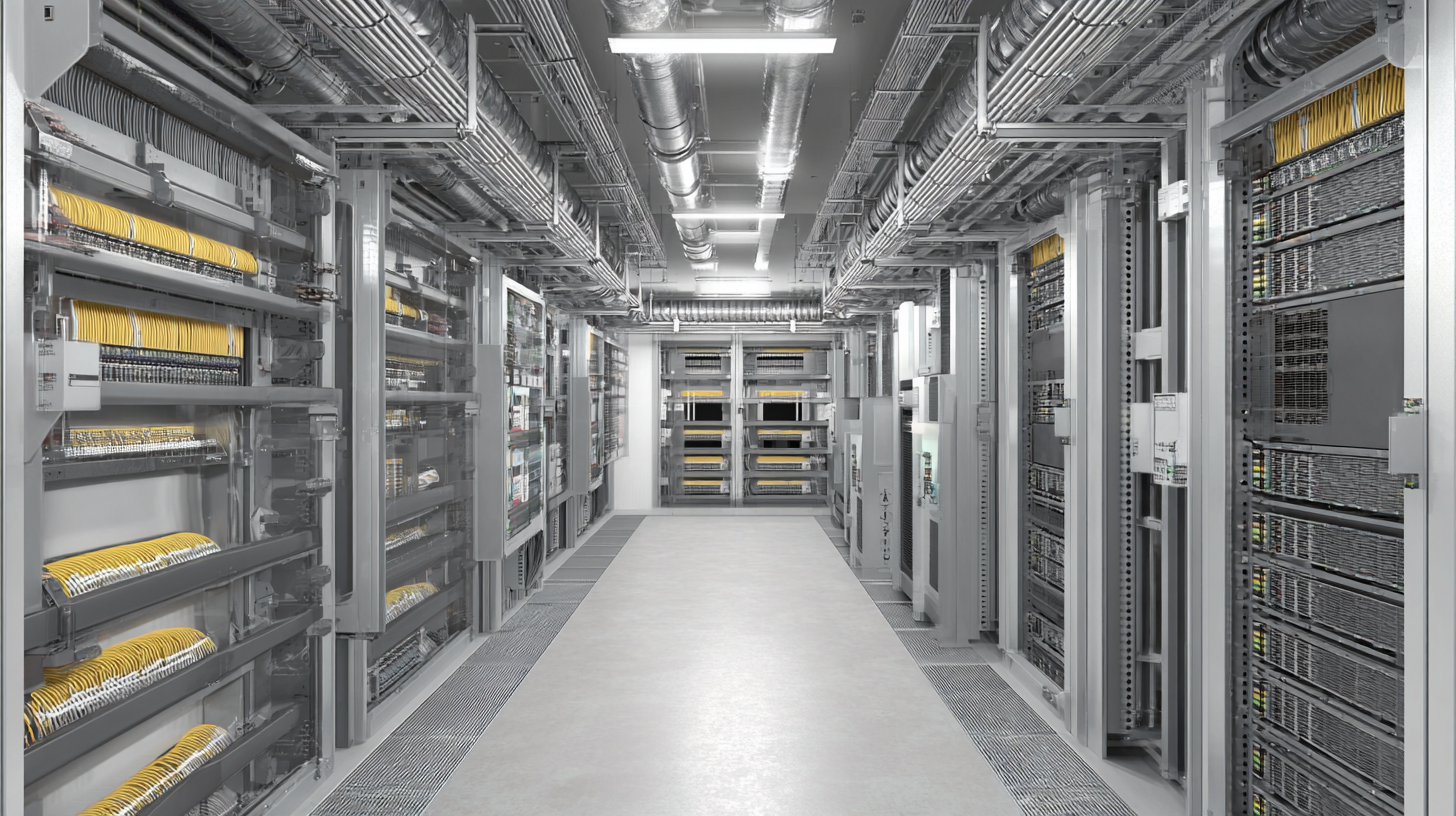
Effective Strategies for Low Voltage Cable Management in Modern Installations
In the rapidly evolving landscape of modern electrical installations, effective
Low Voltage Cable Management
has emerged as a critical factor in enhancing system performance and reliability.
According to the IEC (International Electrotechnical Commission), improper cable management techniques
can lead to significant increases in maintenance costs, estimated to reach up to $30%
of an installation's total expenses over its lifecycle. Furthermore, a report from the
National Electrical Contractors Association (NECA) indicates that optimizing cable management practices
can improve electrical efficiency by as much as 20%, ultimately contributing to a more sustainable
and resilient infrastructure. As industries increasingly rely on complex cabling systems to support advanced
technologies such as smart lighting, automation, and communication networks, employing best practices in
Low Voltage Cable Management becomes indispensable.
This article explores effective strategies that not only ensure compliance with industry standards but also
promote operational excellence in modern installations.
Best Practices for Organizing Low Voltage Cables in Commercial Spaces
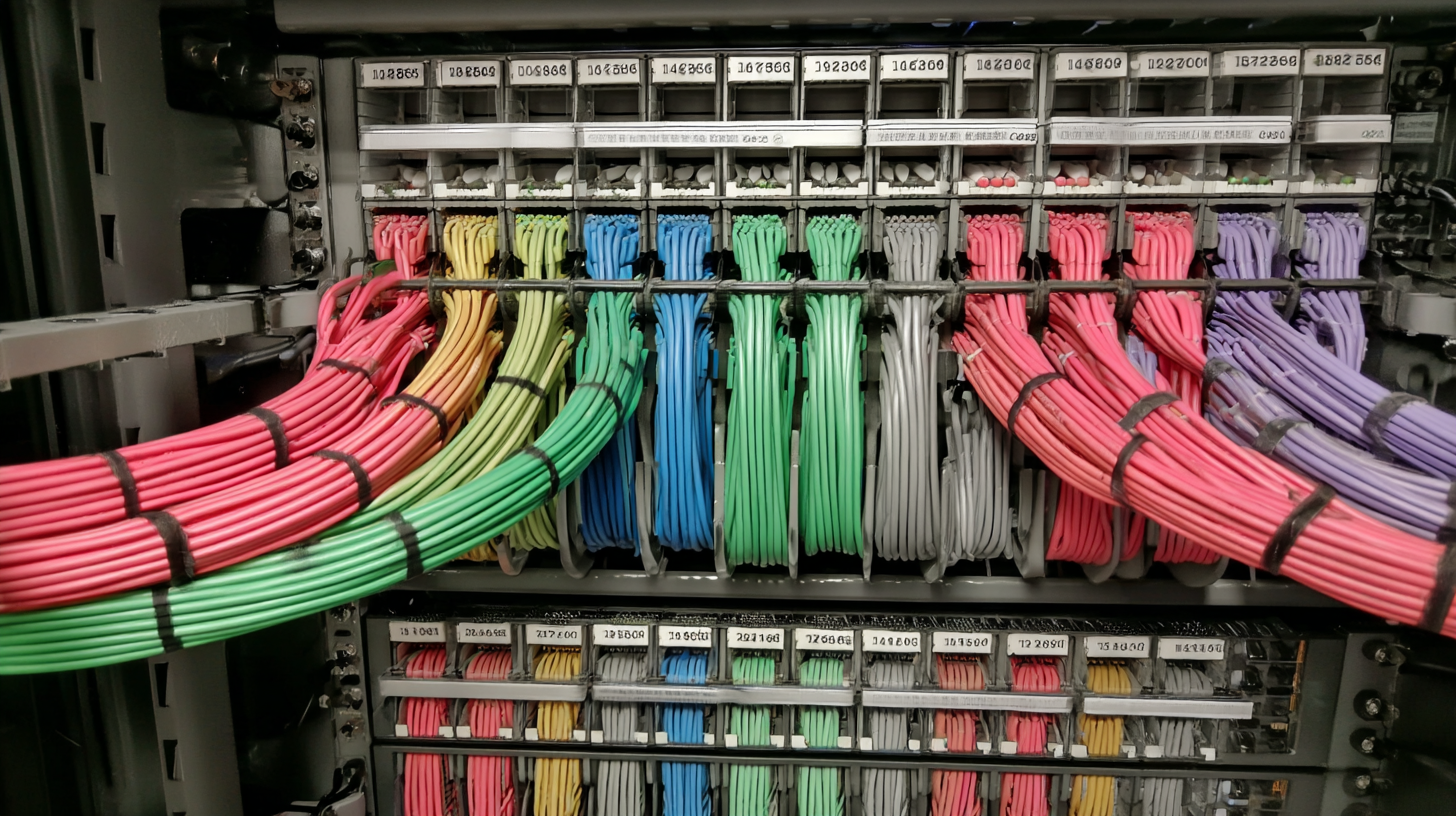
In commercial spaces, effective organization of low voltage cables is crucial for maintaining a clean and efficient work environment. One of the best practices is to employ cable trays and raceways that keep cables off the floor and neatly bundled. This not only helps in minimizing tripping hazards but also simplifies maintenance and troubleshooting. By categorizing cables based on their functions—such as data, voice, and power—installers can streamline access and enhance both safety and efficiency.
Another essential strategy is labeling. Clearly marking each cable with labels that indicate its purpose and destination can significantly reduce the time needed for modifications or repairs. Additionally, color-coding cables based on their function can provide immediate visual cues, making it easier for staff to manage the system. Regular audits and updates to the cable management system are also important to ensure it adapts to evolving technology needs within commercial spaces. By implementing these best practices, businesses can achieve a more organized and effective low voltage cable management system.
Impact of Cable Management on System Performance and Longevity
Effective cable management is crucial in modern installations, particularly for low voltage systems, as it significantly impacts both system performance and longevity. According to a report by the Institute of Electrical and Electronics Engineers (IEEE), well-organized cabling can improve airflow and reduce overheating, leading to a 20% increase in equipment lifespan. This highlights the importance of not only aesthetic organization but practical efficiency in cable management.
Implementing effective strategies for cable management can minimize electromagnetic interference and crosstalk, which are common issues in densely packed cables. The National Fire Protection Association (NFPA) suggests that properly managed cables can reduce the risk of fire hazards and improve safety compliance by up to 30%. Regular audits and proper labeling of cables further enhance operational efficiency and troubleshooting, ultimately saving time and maintenance costs.
**Tips:**
1. Utilize cable trays and raceways to keep cables organized and supported.
2. Label each cable clearly to facilitate easy identification and future maintenance.
3. Maintain a separation between power and data cables to prevent interference and enhance performance.
Effective Strategies for Low Voltage Cable Management in Modern Installations - Impact of Cable Management on System Performance and Longevity
| Strategy |
Impact on System Performance |
Impact on Longevity |
Recommended Practices |
| Cable Trays |
Improves airflow, reduces overheating |
Enhances durability of cables |
Use appropriate sizing for tray capacity |
| Color Coding |
Facilitates easier troubleshooting and maintenance |
Minimizes risk of incorrect connections |
Adopt a standard color code system |
| Regular Inspection |
Identifies issues before they impact performance |
Prolongs cable life by early detection |
Schedule inspections quarterly |
| Proper Labeling |
Reduces downtime during repairs |
Ensures the integrity of connections |
Use durable, weather-resistant labels |
| Avoiding Overcrowding |
Prevents signal interference |
Minimizes wear and tear on cables |
Adhere to manufacturer guidelines for spacing |
Utilizing Cable Trays and Ducts for Efficient Low Voltage Configurations
In modern installations, effective low voltage cable management is crucial for functionality and safety. Utilizing cable trays and ducts can significantly enhance the organization of low voltage configurations. Cable trays provide a robust support system, allowing for the efficient routing of multiple cables while ensuring that they are accessible for routine maintenance. When installed in conjunction with vertical and horizontal pathways, cable trays can reduce the risk of cable damage or interference, promoting an orderly environment that supports network performance.
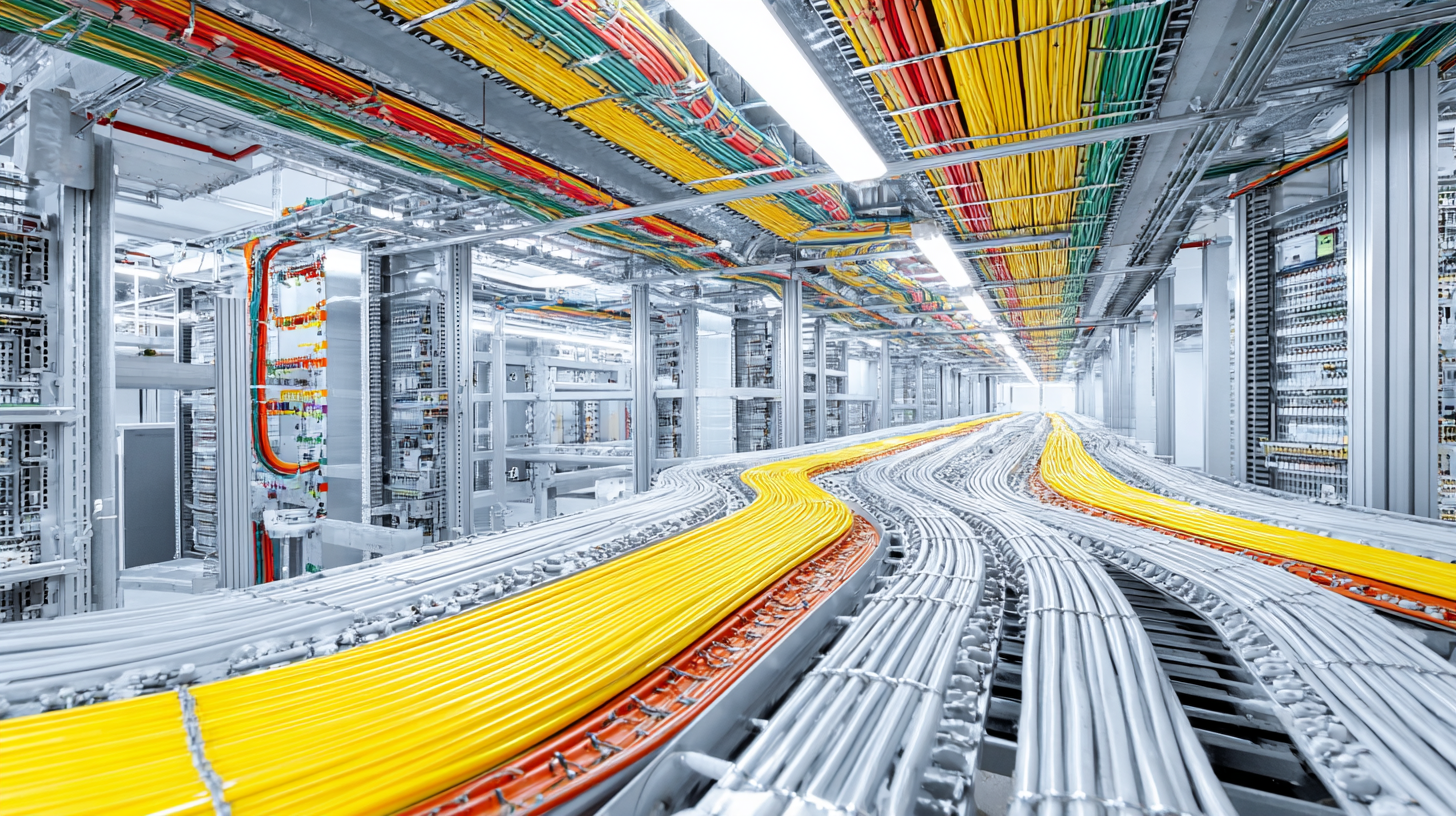
Ducts, on the other hand, offer a protective conduit for low voltage cables, shielding them from environmental hazards and physical damage. By strategically placing ducts in high-traffic areas, businesses can maintain the integrity of their cabling while minimizing clutter. Moreover, ducts can facilitate easy upgrades or expansions, as cables can be added or modified without significant disruption. Combining these two methods not only adheres to safety regulations but also fosters a streamlined approach to cable management in modern installations.
Data on Cable Heat Dissipation: Optimizing Layout for Safety
Effective management of low voltage cables is crucial for ensuring safety and longevity in modern installations. One significant aspect of this management is understanding cable heat dissipation, which can greatly influence the overall layout and configuration of cabling systems. When cables are densely packed or poorly ventilated, heat buildup can lead to insulation breakdown, reduced performance, and even fire hazards. Therefore, monitoring and optimizing the thermal environment of cables is essential.
To achieve optimal heat dissipation, installers should consider several key factors when designing the layout. Firstly, maintaining adequate spacing between cables allows for better airflow, helping to dissipate heat more effectively. Additionally, using cable trays or conduits designed for heat management can further enhance this airflow. It is also wise to employ temperature sensing devices that can provide real-time data on cable temperatures, enabling proactive measures to be taken in case of overheating. By prioritizing proper heat management, installers can ensure both the safety and efficiency of low voltage cable installations.
Innovative Tools and Technologies for Streamlining Cable Management
In the realm of modern installations, low voltage cable management is critical for maintaining efficiency and safety. Innovative tools and technologies have emerged to help streamline the process, making it easier for technicians to manage cables effectively. One such tool is the cable management system, which utilizes modular components tailored to accommodate various cable sizes and types. These systems not only organize cables but also facilitate easy access for troubleshooting and upgrades.
Tips for effective cable management include using color-coded cables to simplify identification during both installation and maintenance. Additionally, employing cable trays and raceways can help keep cables neatly concealed and better protected from physical damage. Another useful strategy is implementing labeling systems that provide clear information on cable functions, which aids in quickly locating and replacing cables when necessary.
Adopting advanced cable management software can further improve organization by allowing teams to visualize their cable layouts digitally. This approach helps in planning installations more efficiently, minimizing wasted materials and time. By leveraging these innovative tools and practices, professionals can enhance both the functionality and longevity of their low voltage installations.