Top Electrical Wire Single Core Uses Benefits and Safety Tips
In the realm of electrical engineering, the significance of choosing the right materials cannot be overstated. One such essential component is the Electrical Wire Single Core, widely utilized across various applications due to its versatility and reliability. According to John Anderson, a renowned electrical engineer with over two decades of experience, "The proper understanding and application of Electrical Wire Single Core can vastly improve safety and efficiency in electrical installations." This statement underscores the importance of this component in achieving optimal electrical performance.
Electrical Wire Single Core is favored for its simplicity and effectiveness in carrying current, making it an ideal choice for a variety of tasks, from domestic wiring to sophisticated industrial systems. The advantages it offers, including reduced risk of short circuits and ease of installation, contribute significantly to its popularity. However, safety remains paramount when using Electrical Wire Single Core, necessitating adherence to best practices and guidelines to mitigate potential hazards.
As we delve into the top uses, benefits, and safety tips associated with Electrical Wire Single Core, it becomes clear that understanding this key element is crucial for anyone involved in electrical work. Ensuring knowledge of its applications and safety measures not only enhances efficiency but also safeguards both individuals and infrastructure from electrical failures.
Top Electrical Wire Single Core Uses in Residential Applications
When it comes to residential applications, single core electrical wires are a popular choice due to their versatility and efficiency. These wires consist of a single conductor, which makes them ideal for various tasks, including connecting switches, outlets, and light fixtures. Their simple construction allows for easier installation and reduces the risk of faults, making them suitable for wiring in homes. Single core wires are often used in low-voltage applications, such as lighting systems and internal wiring for appliances, as they can effectively carry electricity while minimizing the risk of overheating.
Furthermore, single core wires offer several safety benefits that make them an excellent option for residential use. Their design helps in reducing electromagnetic interference, which is crucial in maintaining the integrity of sensitive electronic devices. Homeowners can also benefit from the ease of identifying the wires' insulation color codes, making it simpler to differentiate between various circuits during maintenance. By adhering to local electrical codes and installation guidelines, using single core wires can help ensure a safe and reliable electrical system in residential settings.
Benefits of Using Single Core Electrical Wires in Various Settings
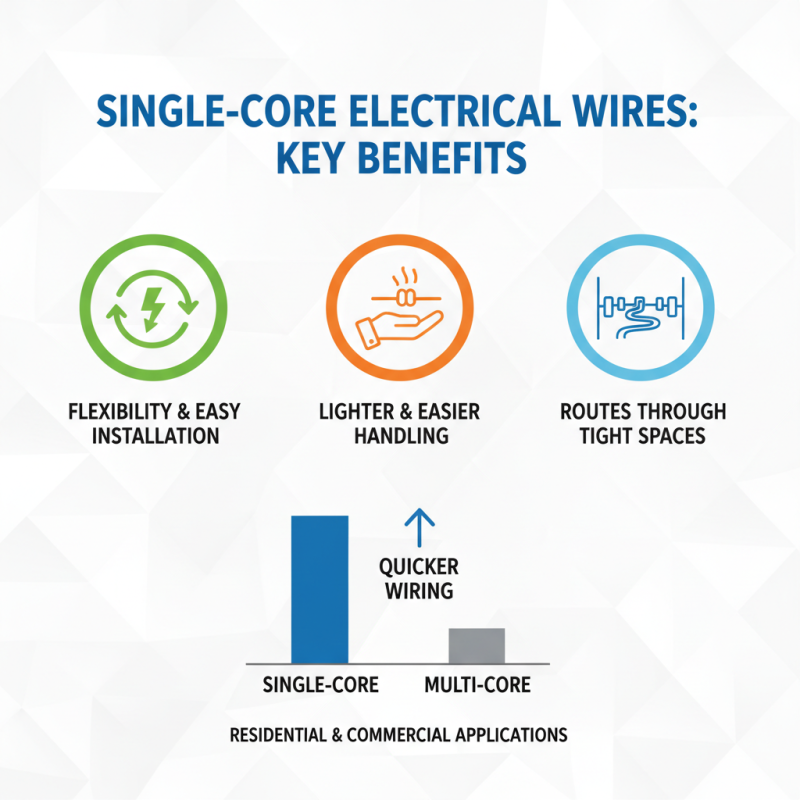
Single core electrical wires offer a range of benefits, making them a popular choice for various applications in both residential and commercial settings. One of the primary advantages is their flexibility and ease of installation. These wires are lighter and easier to handle than multi-core alternatives, allowing for quicker and more efficient wiring processes. Their smaller size also means they can be easily routed through tight spaces, making them ideal for use in complex installations.
In terms of performance, single core wires provide excellent conductivity and are less susceptible to electromagnetic interference. This feature makes them particularly beneficial in settings where signal integrity is crucial, such as in telecommunications and data transmission. Furthermore, single core wires are often more cost-effective due to reduced material usage and simpler manufacturing processes. The absence of multiple strands also contributes to a lower risk of wire fatigue over time, leading to enhanced longevity and reliability in various applications.
Safety Tips for Handling and Installing Single Core Electrical Wires
When it comes to handling and installing single core electrical wires, safety should always be a top priority. According to the National Fire Protection Association (NFPA), electrical malfunctions are one of the leading causes of residential fires, highlighting the importance of correct installation and usage of electrical conductors. Before beginning any work, ensure you are equipped with the necessary personal protective equipment (PPE), such as gloves and safety goggles, to minimize risk of injury. Additionally, it is critical to always switch off power at the source before performing any installations or repairs. This simple step can prevent electric shocks and potential fatalities.
Proper wire gauge selection is another safety consideration when working with single core wires. According to the Institute of Electrical and Electronics Engineers (IEEE), using a wire that is too thin for the intended load can lead to overheating and increased fire risk. It's recommended to refer to the American Wire Gauge (AWG) standards to select the appropriate wire size for specific loads. Furthermore, always inspect wires for signs of wear or damage before installation; any frayed or exposed conductors should be replaced to ensure safe operation. Following these guidelines will not only enhance safety but also improve the efficiency and longevity of your electrical installations.
Understanding Wire Gauge and its Importance for Electrical Performance
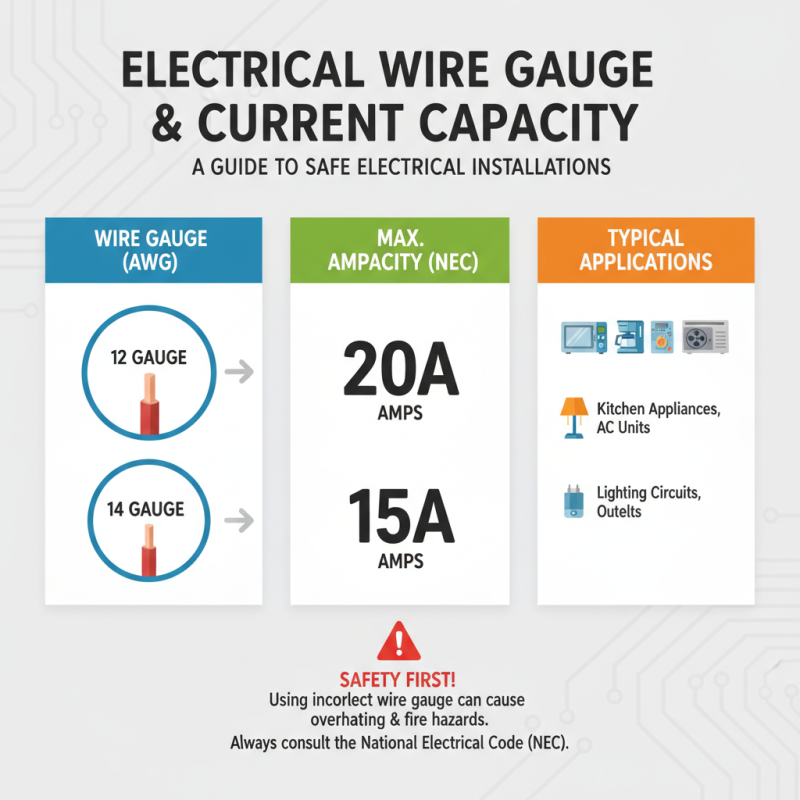
When it comes to electrical installations, understanding wire gauge is crucial for ensuring optimal performance and safety. The wire gauge indicates the diameter of the wire, which directly impacts the amount of current it can safely carry. According to the National Electrical Code (NEC), using the correct gauge wire is essential to prevent overheating and potential fire hazards. For instance, a 14-gauge wire can handle up to 15 amps of current, while a 12-gauge wire can safely carry 20 amps. These specifications underscore the importance of selecting the appropriate wire size based on the electrical load requirements of specific applications.
Moreover, the incorrect wire gauge can lead to significant efficiency losses. A report from the Electrical Safety Foundation International (ESFI) highlights that undersized wiring can cause voltage drops, which may lead to reduced performance of electrical devices and increased energy costs. In residential wiring, a voltage drop exceeding 3% is generally considered unacceptable, emphasizing the need for properly sized wiring. Additionally, choosing the right wire gauge contributes to the overall longevity of the electrical system, minimizing the risk of equipment failure and ensuring reliable operation. Understanding these critical aspects not only enhances the safety and effectiveness of electrical systems but also promotes energy efficiency in homes and businesses alike.
Common Mistakes to Avoid When Using Single Core Electrical Wires
When working with single core electrical wires, it's crucial to avoid common mistakes that can lead to safety hazards and operational inefficiencies. One frequent error is using the wrong size of wire for the intended application. According to the National Electrical Code (NEC), proper wire sizing is essential as it directly affects the wire's capacity to handle electrical loads. An undersized wire can overheat, leading to potential fire hazards. For example, a 14-gauge wire can only handle up to 15 amps, whereas a 12-gauge wire can handle 20 amps. Always refer to load requirements when selecting wire size to ensure safety and compliance.
Another common mistake is ignoring the insulation ratings. The insulation type must be suitable for the environment in which the wire is used. For instance, using a wire with inappropriate insulation in high-temperature or wet conditions can lead to premature failure. A report by the Electrical Safety Foundation International highlights that many electrical fires are caused by insulation degradation due to environmental factors. It's essential to always check the insulation rating corresponding to the specific conditions of your application to prevent accidents.
**Tips:** Always double-check the specifications for voltage and current ratings to ensure compatibility. Additionally, maintain a clean and organized workspace while working with electrical installations to avoid accidents caused by clutter or distractions. Finally, wear appropriate personal protective equipment (PPE) such as gloves and safety glasses to enhance your safety during the wiring process.
Top Electrical Wire Single Core Uses and Benefits
This chart illustrates the various applications of single core electrical wires along with their usage percentages. The highest usage is observed in house wiring, highlighting its primary purpose.