The Essential Guide to Choosing the Right Flat Submersible Cable for Your Projects
In the ever-evolving electrical and construction industries, selecting the right
Flat Submersible Cable is crucial for ensuring both
safety and efficiency in various applications, from agricultural irrigation to wastewater management.
According to a report by Research and Markets, the global submersible cable market is projected to grow at a
CAGR of 4.5% from 2021 to 2026, driven by increasing demand for reliable underwater electrical systems.
The unique design of Flat Submersible Cables allows for reduced water drag and improved maneuverability during installation,
making them particularly favored in environments where space is limited. When undertaking projects that involve submerged operations,
understanding the specifications and requirements of different cable types is essential for optimizing performance and longevity.
This guide aims to equip professionals with the necessary insights to choose the best
Flat Submersible Cable suitable for their specific project needs, ultimately enhancing operational
efficiency and minimizing downtime.
Key Factors to Consider When Selecting Flat Submersible Cables for Your Needs
When selecting flat submersible cables for your projects, understanding the key factors is essential to ensure optimal performance and reliability. One critical aspect to consider is the cable's cross-sectional area, which significantly influences its electrical capacity and overall efficiency. Recent advancements in design programs, such as the Power Cables Graphical User Interface (PCGUI), utilize a probabilistic approach to help users select the most economical cable specifications. This kind of tool streamlines the design process, allowing for accurate calculations tailored to specific project requirements.
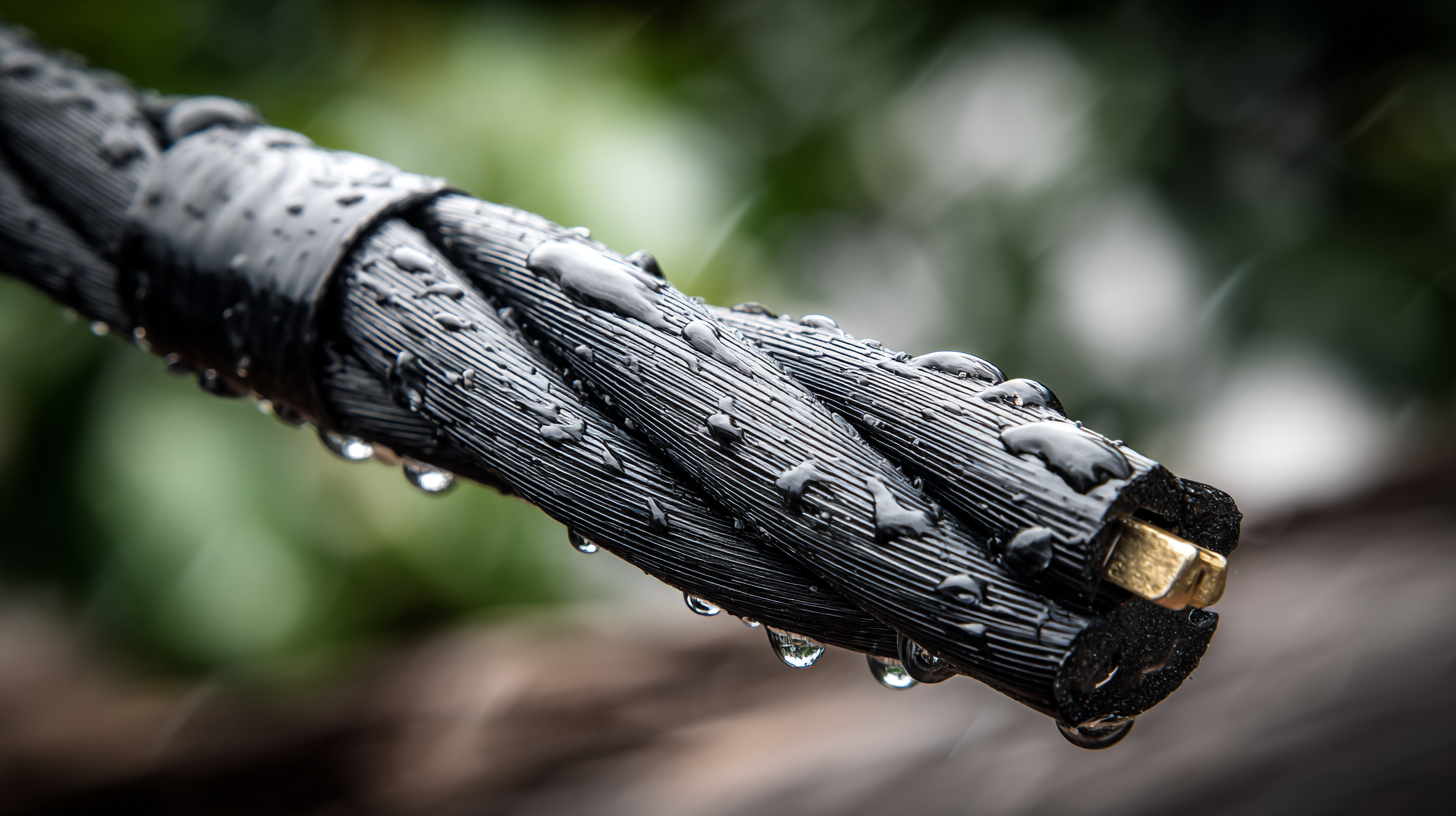
Another important factor is the operating environment of the cable. Flat submersible cables are often exposed to harsh conditions, including moisture and varying temperatures. Therefore, choosing cables with suitable insulation and protective features is vital in prolonging their lifespan and maintaining functionality. Additionally, considering the installation depth and potential mechanical stresses can inform decisions about the cable's robustness and flexibility. By focusing on these aspects, you can select the proper flat submersible cable that aligns with both performance demands and economic considerations.
Top 5 Types of Flat Submersible Cables and Their Ideal Applications
When selecting the right flat submersible cable for your projects, understanding the different types available is crucial. Here are the top five types of flat submersible cables, each suited for specific applications.
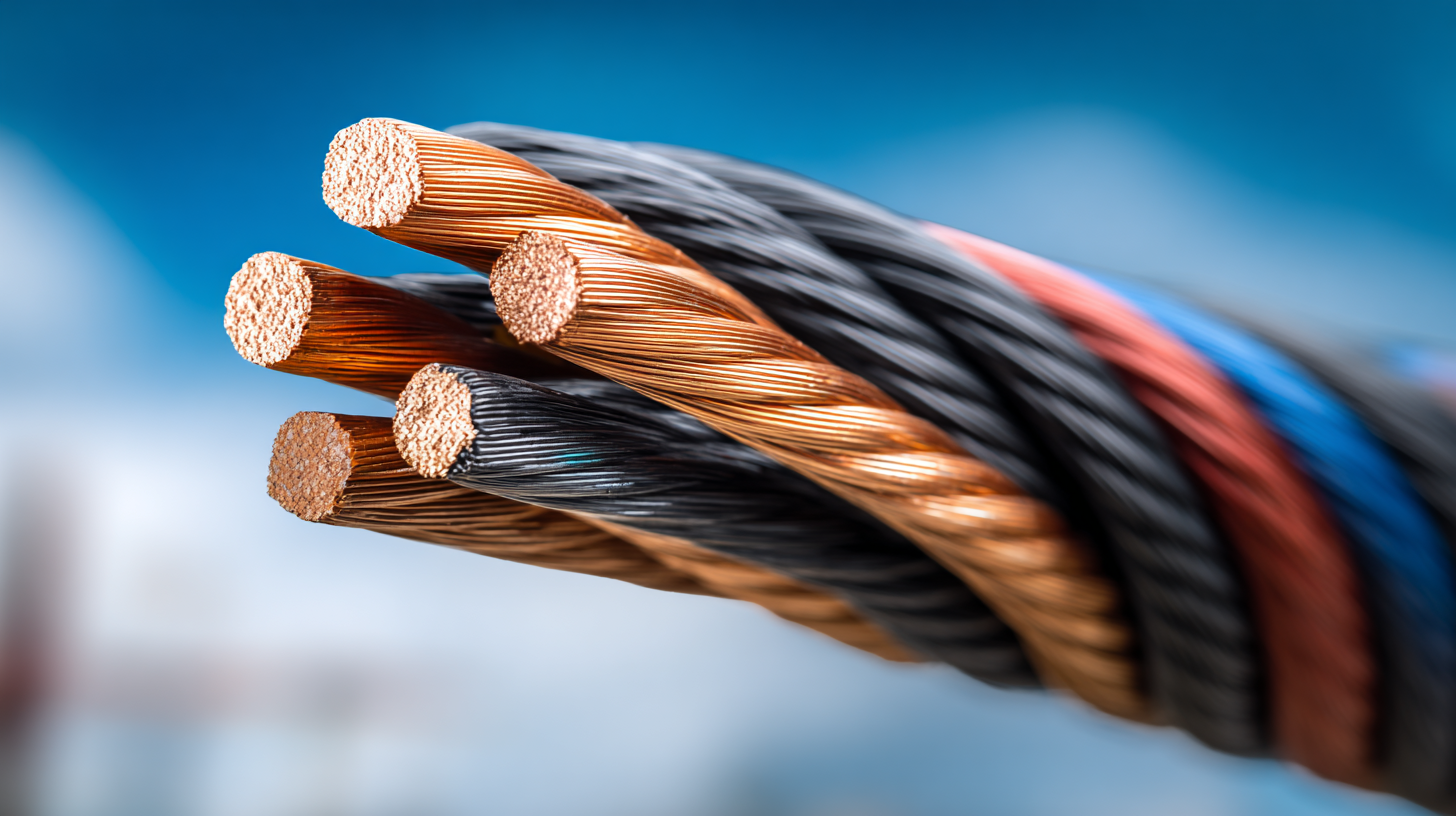 First, the PVC-insulated flat cable is ideal for low-water applications, offering durability and flexibility, making it perfect for use in sewage and drainage systems.
Second, the rubber-insulated variant stands out for its excellent resistance to abrasion and extreme temperatures, making it suitable for deeper submersible pumps.
Third, the flat multi-core cable is often chosen for complex installations where multiple connections are required. This type is versatile and can handle a variety of electrical loads, making it ideal for agricultural irrigation systems.
Fourth, the armored flat submersible cable provides additional protection against mechanical stress, making it a great choice for environments with potential physical hazards.
Lastly, the high-temperature flat submersible cable offers resilience in extreme conditions, often used in industrial applications where high heat and moisture are prevalent.
Choosing the right type ensures not only the efficiency of your project but also the longevity and safety of the installation.
How to Evaluate the Performance of Flat Submersible Cables in Different Environments
When choosing the right flat submersible cable for your projects, evaluating its performance in various environments is crucial. Flat submersible cables are designed to operate under specific conditions, including water temperature, pressure, and chemical composition. Understanding how these factors affect cable performance will help ensure reliability and safety in your applications.
Tips:
Always check the manufacturer’s specifications to determine the cable's rated temperature and pressure limits. This information helps you gauge whether the cable can withstand the specific conditions of your project environment.
Moreover, consider the installation environment — will the cable be submerged in freshwater, saltwater, or hazardous chemicals? Each of these environments can significantly impact the durability and lifespan of the cable. Opt for materials, such as thermoplastic elastomers or polyurethane, that are resistant to corrosion and other potential damage.
Tips:
Use cables with additional insulation layers for extreme conditions, as this can provide extra protection against environmental stresses. Regularly inspect the installation sites to detect any wear or damage, allowing for timely maintenance and upgrades to ensure uninterrupted performance.
Best Practices for Installing Flat Submersible Cables for Maximum Durability
When installing flat submersible cables, adhering to best practices is crucial for ensuring maximum durability and longevity. First and foremost, proper handling during installation cannot be overstated. Avoiding sharp bends and kinks helps maintain the integrity of the cable. Each installation site should be examined for potential hazards such as sharp rocks or abrasive surfaces that could damage the cable over time. Employing protective tubing or conduits, particularly in areas where the cable might be exposed to wear, significantly enhances durability.
Additionally, maintaining the correct depth during installation is vital. Flat submersible cables should be buried deep enough to avoid freezing conditions and to prevent mechanical damage. It's important to ensure that the surrounding soil is well-drained to reduce the risk of water accumulation, which can lead to cable insulation deterioration. Using appropriate junction boxes, sealing all connections properly, and regularly inspecting the setup can further prolong the lifespan of the cable. By implementing these best practices, users can maximize the efficiency and durability of flat submersible cables in their projects.
Common Mistakes to Avoid When Choosing Flat Submersible Cables for Projects
When selecting flat submersible cables for your projects, it's crucial to avoid common pitfalls that can lead to performance issues and safety hazards. One frequent mistake is underestimating the cable's insulation requirements. Submersible cables are often exposed to harsh environments, including moisture and chemicals. Failing to choose cables with appropriate insulation ratings may result in premature failure, operational downtimes, or even hazardous situations. Always ensure that the insulation is suitable for the specific conditions in which the cable will operate.
Another common mistake is miscalculating the power requirements. Users often select cables based on convenience rather than the actual electrical load. This oversight can cause overheating and lead to insulation breakdown. It's essential to carefully analyze the project's electrical demands and choose a cable that not only meets these requirements but also provides a safety margin. By thoroughly considering these factors, you can enhance the reliability and longevity of your flat submersible cable installations.