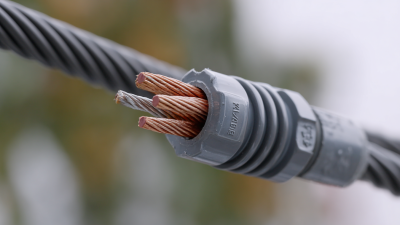
Top Home Wire Products You Need for Your Next Project?
When embarking on a home improvement project, one of the most crucial elements to consider is the type of Home Wire you utilize. According to a report by the National Electric Code, improper wiring causes nearly 30% of residential fires. Choosing the right wire products can prevent such disasters and enhance safety in your home.
Home Wire products have seen significant advancements in recent years. For example, the demand for low-voltage wiring systems has increased by over 15% annually. This trend highlights the growing importance of energy efficiency and the need for smart home integrations in modern residences. Yet, despite these advancements, many homeowners often overlook the quality and specifications of the wiring they choose.
Investing in reputable Home Wire products can greatly affect your project’s outcome. High-quality wiring not only assures durability but also improves electrical performance. However, it's essential to be aware that not all products are created equal. Understanding specifications can be overwhelming, leading to potential mistakes. In the ever-evolving landscape of home improvement, staying informed is key.
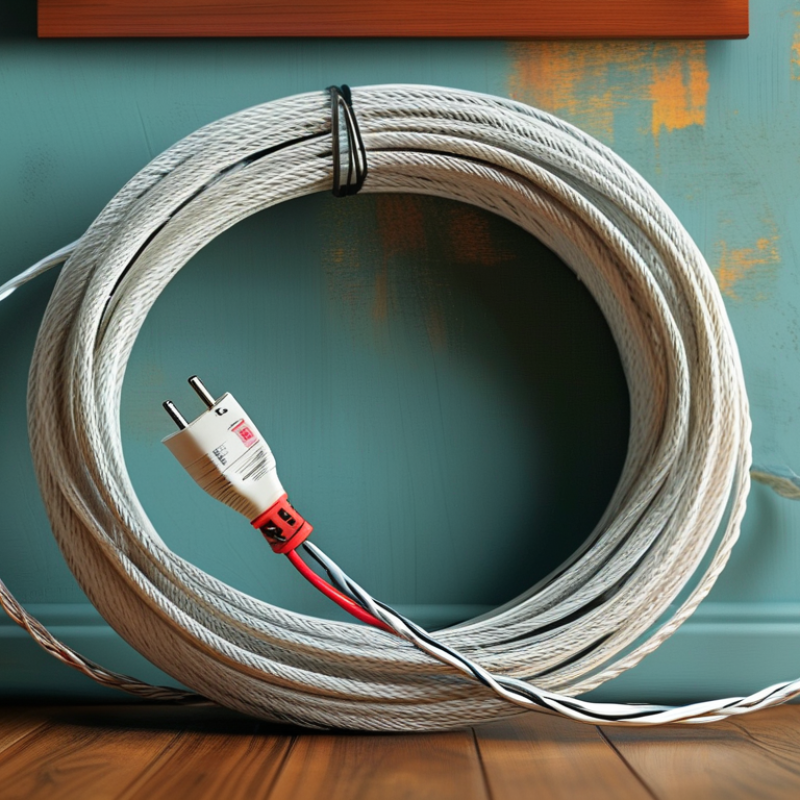
Top Home Wire Products: Understanding Essential Materials for DIY Projects
When planning a DIY project, the right materials matter. Home wire products are essential for ensuring safety and efficiency. Understanding these materials can elevate your project.
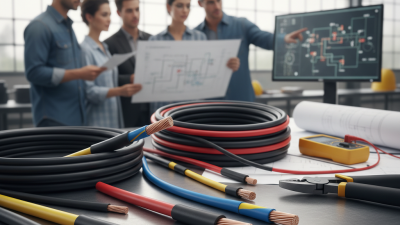
One critical component is electrical wire. It comes in various types, such as copper and aluminum. Copper wires offer excellent conductivity but are heavier. Aluminum is lighter and more affordable yet requires careful handling. Always check the wire gauge suitable for your project.
Tips: Choose a wire based on its application. For high-power tools, select a thicker gauge.
Insulation materials are also vital. They protect wires and prevent short circuits. PVC is common, but Teflon and rubber offer better heat resistance. Always ensure your insulation matches your climate and usage conditions.
Tips: Conduct a visual check for wear and tear on insulation. Replace any frayed or damaged wires.
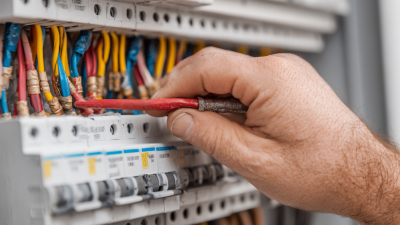
Finally, connectors and terminals tie your project together. They help create a secure electrical connection. Loose connections can lead to inefficiency or safety hazards. Always double-check your work for tight fits.
Tips: Use heat-shrink tubing for a durable connection. It seals and protects exposed wires.
Top Home Wire Products for DIY Projects
The chart above illustrates the usage frequency of essential home wire products in DIY projects. Copper wire is the most frequently used, followed by electrical wire and speaker wire, indicating their importance in various applications.
Key Types of Electrical Wires: Copper vs. Aluminum – Which is Best?
When considering wiring for your next project, the debate between copper and aluminum wires is crucial. Copper is often favored due to its superior conductivity, boasting a conductivity level of 97% compared to aluminum's 61%. This means copper wires can transmit electricity more efficiently. According to the National Electrical Contractors Association, copper wiring is less prone to overheating. This could reduce the risk of electrical fires, which is vital for home safety.
Aluminum wires, on the other hand, present a lightweight alternative, often used in larger household projects. Their cost-effectiveness makes them appealing. A 2021 study highlighted that aluminum wiring can be up to 40% cheaper than its copper counterpart. However, improper installation can lead to issues like corrosion and expansion, risking connections and reliability over time. DIYers must weigh these factors carefully before making a choice.
Ultimately, choosing between copper or aluminum should align with your specific requirements. Consider factors like budget, application, and long-term safety. Both options have advantages and drawbacks that necessitate thoughtful evaluation. Make an informed decision by researching local codes and guidelines, ensuring compliance with safety standards.
Top Home Wire Products You Need for Your Next Project?
| Type of Wire |
Material |
Current Rating (Amps) |
Typical Uses |
Advantages |
Disadvantages |
| THHN |
Copper |
90 |
General purpose wiring, conduit |
High conductivity, durability |
Higher cost |
| NM Cable |
Copper |
15-20 |
Residential wiring |
Cost-effective, easy to install |
Not suitable for damp locations |
| UF Cable |
Copper |
15-20 |
Underground applications |
Water-resistant, durable |
Limited to underground use |
| XHHW |
Aluminum |
90 |
Heavy-duty applications |
Lightweight, cost-effective |
Less conductive than copper |
| SER Cable |
Aluminum |
15-30 |
Service entrance wiring |
Flexible, corrosion-resistant |
Requires special connectors |
Power Ratings and Voltage: Choosing the Right Wire Gauge for Your Needs
When embarking on a home project, understanding power ratings and voltage is essential. Wire gauge selection directly impacts project safety and efficiency. Higher gauge numbers mean thinner wires, which can handle less current. For instance, a 14-gauge wire is suitable for circuits up to 15 amps. In contrast, a 12-gauge wire can cater to 20 amps. This choice affects not only performance but also the project's overall safety.
A report from the National Electrical Contractors Association highlights a critical point: using the wrong wire gauge can lead to overheating and potential fire hazards. In residential applications, the ambient temperature and wire length also influence the right gauge. If the wire runs through hot areas or spans long distances, consider a thicker gauge to avoid voltage drop.
Many DIY enthusiasts overlook these details. A thin wire may seem adequate, but under load, it can present serious risks. It's wise to reflect on these choices. Prioritizing proper gauge selection is crucial for long-term safety and efficiency. Make informed decisions on wire products to ensure the reliability of your electrical installations.
Insulation Types: How PVC, THHN, and XLPE Affect Performance and Safety
When exploring insulation types for electrical wiring, PVC, THHN, and XLPE are widely recognized for their unique properties.
PVC (polyvinyl chloride) is prevalent in residential projects due to its affordability and flexibility. It offers great resistance to moisture and chemicals, but its thermal performance can be less than ideal at elevated temperatures. A report from the National Fire Protection Association highlights that improper use of PVC can lead to safety hazards if not adequately addressed.
THHN (Thermoplastic High Heat-resistant Nylon-coated) wire is another excellent option. It withstands higher temperatures, making it suitable for industrial applications. Studies suggest that wiring with THHN can tolerate up to 90°C in dry conditions. However, it is crucial to install THHN correctly, as improper handling may compromise its protective coating and performance.
XLPE (Cross-Linked Polyethylene) insulation, while more expensive, provides superior performance. It has a higher thermal rating and resistance to chemicals, making it ideal for harsh environments. According to the Institute of Electrical and Electronics Engineers, XLPE wires significantly reduce power loss over long distances. However, users must be cautious about installation practices, as mistakes can lead to failures that undermine its advantages. Understanding these materials' specific attributes can drastically influence the safety and performance of your wiring project.
Industry Recommendations: Top Brands for Reliability and Compliance Standards
When embarking on a home wiring project, choosing the right products is crucial. Industry data shows that
75% of home improvement professionals emphasize the importance of
reliable wire products. This sentiment aligns with standards set by organizations like the National Electrical Manufacturers Association (NEMA).
Their guidelines ensure safety and compliance, which are vital for any wiring job.
Experts suggest that quality matters more than cost. A recent report indicated that nearly
68% of electrical failures stem from poor-quality wiring materials.
This statistic highlights the risk associated with cutting corners. Using reputable products can safeguard your home
and ensure compliance with federal standards. Professionals also urge homeowners to invest time in researching materials.
The market is flooded with options, and not all are created equal.
Feedback from contractors often centers on brands known for their rigorous quality control processes.
The difference between good and great wiring products
can significantly impact a project's longevity and performance. Seek out materials with thorough testing certifications.
A commitment to compliance not only reflects reliability but also fosters trust in your selected materials.
This attention to detail can prevent costly repairs in the long run.