10 Essential Tips for Choosing Xlpe Cable Insulation Techniques?
In the realm of electrical engineering, the choice of insulation is pivotal. Many professionals turn to XLPE cable insulation for its superior properties. According to Dr. Emily Wang, a leading expert in cable technology, "Selecting the right insulation can make or break the performance of any electrical system." Her insights can guide us through the complexities of choosing XLPE cable insulation.
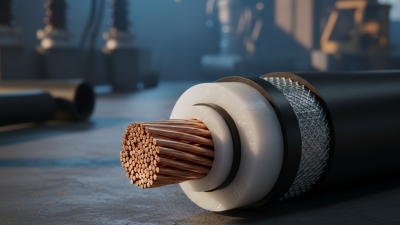
XLPE, or cross-linked polyethylene, is known for its thermal stability and electrical insulation. This material performs exceptionally well in various harsh environments. However, not all XLPE cable insulation is created equal. The market offers different options, making the selection process quite overwhelming.
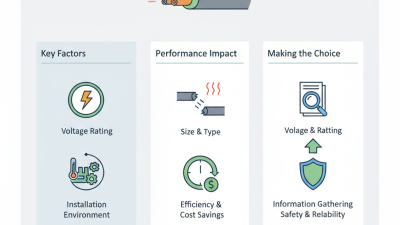
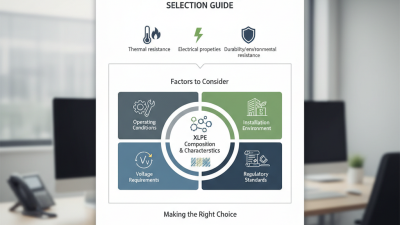
To ensure optimal performance, factors such as temperature ratings, moisture resistance, and mechanical strength must be considered. Each project may have unique requirements. Therefore, understanding the nuances of XLPE cable insulation is critical. Experts recommend a thorough assessment of needs before making a decision. Balancing cost with quality is another challenge that requires thoughtful consideration.
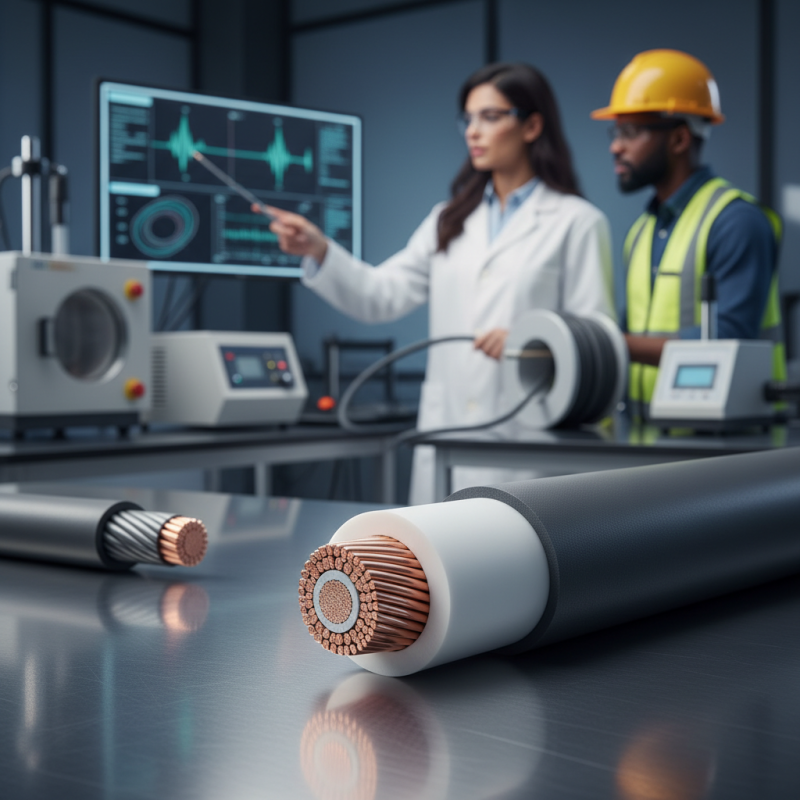
Understanding XLPE Cable Insulation: Key Characteristics and Benefits
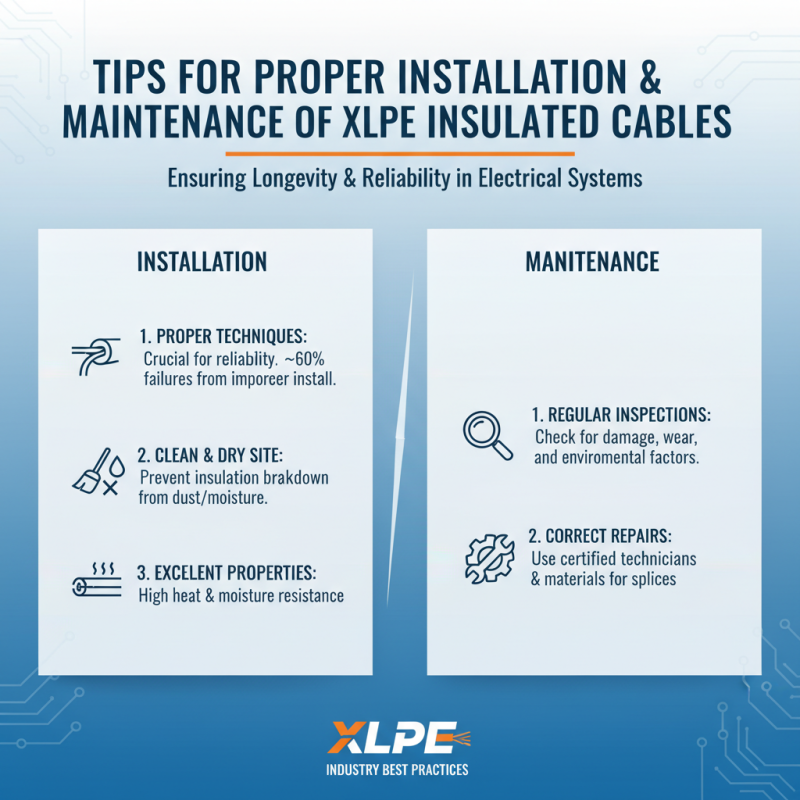
When choosing XLPE cable insulation, understanding its key characteristics is crucial. XLPE, or cross-linked polyethylene, offers excellent thermal resistance. This material can withstand temperatures up to 90°C continuously, making it ideal for various environments. Its resistance to moisture and chemicals enhances its durability, ensuring a longer lifespan for cables.
The benefits of using XLPE insulation are significant. It is known for lower dielectric losses, which improve energy efficiency. Moreover, XLPE cables are lightweight and flexible. This makes installation easier, especially in tight spaces. However, challenges may arise in specific conditions. For instance, extreme temperatures can affect its performance. Regular assessments are necessary to ensure optimal functioning.
Consider the environment where the cables will be installed. Exposure to UV light and extreme weather can impact insulation quality. Despite its advantages, XLPE is not bulletproof. There may be imperfections in manufacturing processes, leading to potential issues. A thorough understanding of these factors will help in making informed decisions when selecting insulation techniques.
Understanding XLPE Cable Insulation: Key Characteristics and Benefits
Identifying Your Application Requirements for XLPE Cable Insulation
When selecting XLPE cable insulation, understanding application requirements is crucial. High-voltage environments demand specific capabilities. The insulation's thermal stability is vital. Reports indicate that XLPE can effectively operate at temperatures up to 90°C. It reduces energy loss, offering advantages in efficiency and lifespan.
Consider the environment where the cable will be installed. Moisture, chemicals, and temperature fluctuations can degrade insulation performance. Studies show that cables exposed to harsh chemicals lose insulation integrity up to 20% faster. Proper assessment ensures the chosen insulation meets safety standards and operational needs.
Evaluating electrical characteristics is equally important. XLPE insulation possesses excellent dielectric strength, essential for high-voltage applications. However, insufficient knowledge about voltage ratings can lead to improper selections. Keeping track of industry standards, such as IEC or ASTM guidelines, can significantly impact long-term success. Each scenario presents unique challenges, emphasizing the need for thorough planning and expert consultation.
Evaluating Environmental Considerations for XLPE Cable Insulation Choices
When considering XLPE cable insulation, environmental factors play a crucial role. The production and disposal of insulation materials impact our planet. XLPE (cross-linked polyethylene) offers specific advantages, but one must assess its longevity and recyclability.
Opting for materials that minimize environmental damage is vital.
One essential tip is to research the environmental certifications of the insulation materials. Look for standards that ensure minimal ecological impact during production and throughout the lifecycle. Transparency in sourcing is critical. Ask manufacturers about their processes and material origins.
Another vital aspect is the insulation’s resistance to heat and chemicals. These properties affect both performance and environmental safety. Evaluate how well the XLPE insulation can endure various conditions over time. It’s essential to reflect on how these choices align with sustainability goals.
Select products that not only perform well but also exhibit a commitment to eco-friendliness.
Incorporating these aspects into your decision-making process can lead to informed, responsible choices in XLPE cable insulation. Each decision matters in creating a more sustainable future. Be mindful and proactive in your selections.
Comparing XLPE Insulation with Other Cable Insulation Techniques
When comparing XLPE insulation with other cable insulation techniques, several important factors stand out. XLPE, or cross-linked polyethylene, offers excellent thermal stability and electrical insulation properties. It can withstand higher temperatures than PVC and rubber insulation, making it suitable for demanding applications. According to industry reports, the demand for XLPE insulation has grown significantly over the past decade, projected to increase by 5% annually through 2026.
One key advantage of XLPE is its resistance to environmental stressors. Unlike traditional insulations, XLPE is less likely to degrade under ultraviolet light or exposure to ozone. This longevity translates to lower maintenance costs over time. Additionally, XLPE's low moisture absorption rates enhance its performance in humid conditions. However, selecting the right insulation requires careful consideration of the specific application requirements.
When choosing cable insulation techniques, consider these tips: Always evaluate the thermal and electrical performance needed for your specific application. Assess the installation environment to ensure optimal material selection. Additionally, review cost-effectiveness and long-term durability. Not all installations require the highest-grade insulation, so balance your choices against project budgets and safety regulations. This thorough analysis is crucial for ensuring reliability in your electrical systems.
10 Essential Tips for Choosing XLPE Cable Insulation Techniques
| Tip Number |
Tip Description |
Comparison with Other Insulation |
| 1 |
Evaluate Temperature Range |
XLPE can handle higher temperatures compared to PVC. |
| 2 |
Consider Voltage Rating |
XLPE insulation supports higher voltage applications than some thermoplastic insulations. |
| 3 |
Assess Moisture Resistance |
XLPE has superior moisture resistance when compared to rubber insulation. |
| 4 |
Factor in Chemical Resistance |
XLPE generally performs better in chemical exposure than PVC. |
| 5 |
Evaluate Aging Properties |
XLPE exhibits better aging properties under UV exposure compared to other materials. |
| 6 |
Consider Mechanical Strength |
XLPE is more mechanically robust than many thermoplastic insulations. |
| 7 |
Check for Flame Resistance |
While XLPE has good flame resistance, some materials outperform it in fire ratings. |
| 8 |
Examine Cost-Effectiveness |
XLPE can be more expensive than traditional PVC options but offers long-term savings. |
| 9 |
Look for Installation Flexibility |
XLPE is more flexible and easier to install than some rigid insulations. |
| 10 |
Review Environmental Impact |
XLPE is considered more environmentally friendly compared to some PVC derivatives. |