10 Essential Tips for Safely Managing Household Wire Projects
When embarking on household wire projects, safety should always be the top priority. Whether you are replacing old wiring, installing new lighting fixtures, or running power to outdoor areas, understanding the fundamentals of handling household wire is crucial. This guide provides essential tips to ensure that your DIY electrical projects are completed safely and effectively.
From understanding local electrical codes to using the right tools and protective gear, each step plays a vital role in promoting a safe working environment. It’s important to follow best practices not only to prevent accidents but also to ensure the longevity and reliability of your electrical systems. With the right knowledge and precautions, you can confidently manage your household wire projects, avoiding common pitfalls that may lead to dangerous situations. Let’s delve into the key considerations that will empower you to tackle these tasks with confidence and skill.
Understanding the Basics of Household Wiring Safety
Understanding the basics of household wiring safety is crucial for anyone considering wire projects at home. First and foremost, always turn off the power before beginning any electrical work. This reduces the risk of electric shock and ensures a safer environment when handling wires. Familiarizing yourself with the circuit breakers and how to reset them can also come in handy in case of an emergency.
When managing household wiring, it's essential to use the right tools and materials. Invest in quality wire strippers, pliers, and screwdrivers, and ensure the wires you choose are appropriate for the specific voltage and amperage of your project. Another critical safety tip is to check for any existing wiring before drilling or cutting in walls. Using a stud finder can help you avoid hitting wires, reducing the risk of damage and potential hazards.
Further, understanding the importance of grounding cannot be overstated. Grounding provides a path for electrical current to safely return to the ground in case of a fault, significantly reducing the risk of electrical fires. Always ensure that your wiring projects adhere to local codes and regulations, which are designed to keep you and your home safe.
Essential Personal Protective Equipment for Wiring Projects
When undertaking household wiring projects, selecting the right personal protective equipment (PPE) is essential for ensuring safety. Electrical work can present various hazards, including the risk of electric shock, falls, and injuries from tools. According to the National Institute for Occupational Safety and Health (NIOSH), electrical shock is a leading cause of workplace fatalities, with approximately 1,000 deaths attributed to it annually in the United States alone. This statistic underscores the importance of equipping yourself with appropriate safety gear before engaging in any wiring task.
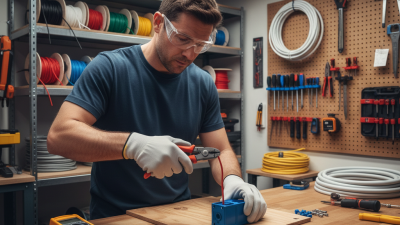
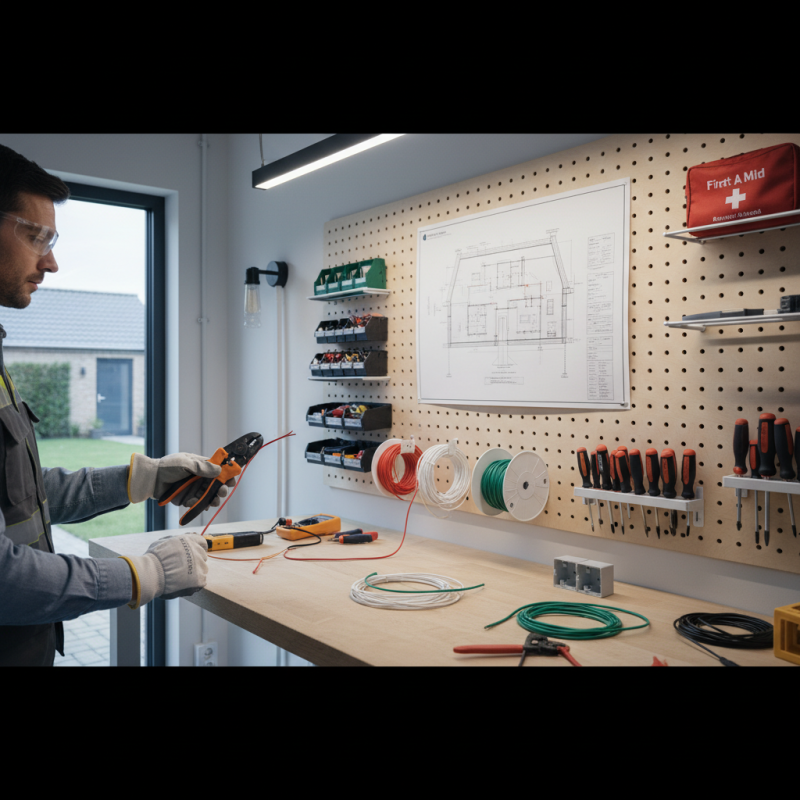
A well-rounded PPE kit for wiring projects should include insulated gloves, safety goggles, and hard hats. Insulated gloves, rated for the specific voltage levels you will be working with, can significantly reduce the risk of electric shock. Safety goggles protect your eyes from debris and sparks, while a hard hat offers protection when working in environments where falling objects may pose a threat. Moreover, wearing appropriate clothing made from non-conductive materials can add an extra layer of safety.
A report by the Electrical Safety Foundation International (ESFI) indicates that proper PPE usage can reduce the likelihood of injuries related to electrical work by over 50%. This statistic highlights how investing in proper gear not only safeguards your health but also enhances your overall efficiency when completing wiring projects.
Proper Tools and Materials for Safe Electrical Work
When tackling household wire projects, having the right tools and materials is essential for ensuring safety and effectiveness. Start by investing in quality tools such as wire strippers, pliers, and screwdrivers designed specifically for electrical work. These tools will not only help you manipulate wires more easily but also reduce the risk of accidents. A multi-meter can be invaluable for checking voltage and continuity, allowing you to identify issues before they become dangerous. Additionally, using insulated tools will provide an added layer of protection against electrical shocks.
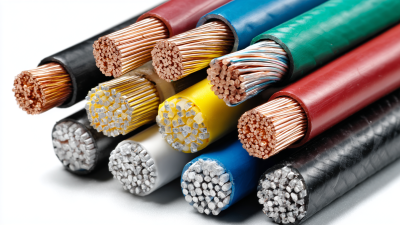
In terms of materials, selecting the correct gauge of wire is crucial. Always choose wires that are suited for the specific application, such as indoor or outdoor use, and bear in mind the amperage requirements of your electrical systems. Using heat-shrink tubing and electrical tape to insulate exposed connections is important for preventing short circuits and ensuring longevity. Furthermore, grounding materials should be incorporated to mitigate the risk of electrical shocks. By prioritizing appropriate tools and materials, you create a safer environment for conducting electrical work and minimize potential hazards during your household projects.
Step-by-Step Guide to Inspecting Existing Wiring
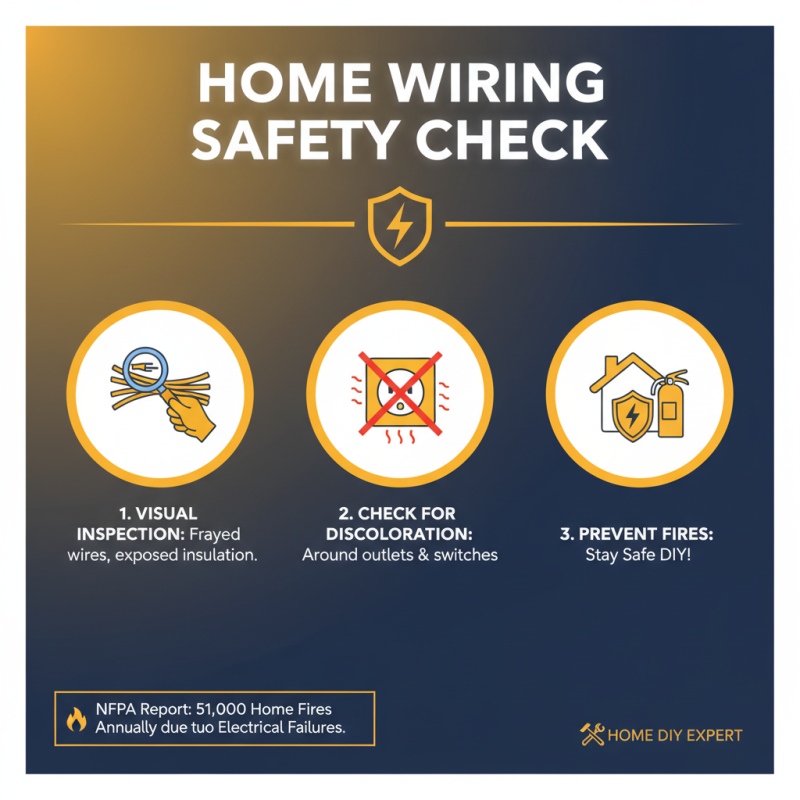
Inspecting existing wiring is a crucial step in safely managing household wire projects. According to a report from the National Fire Protection Association (NFPA), electrical failures are a significant factor in nearly 51,000 home fires annually. This emphasizes the importance of thorough inspection before any DIY electrical project. Start by visually examining your wiring for any signs of wear, such as frayed insulation or exposed wires. It’s also essential to check for any discoloration around sockets and switches, which can indicate overheating and potential hazards.
For more in-depth assessment, consider using a multimeter to test the voltage levels in your circuits. The Occupational Safety and Health Administration (OSHA) recommends that all wiring should have a voltage range appropriate for its intended use. It’s essential to ensure circuit breakers function correctly and they trip when overloaded. This proactive measure not only protects your home's electrical system but also enhances safety for everyone living there. Regular inspections and maintenance can significantly reduce the risks associated with home wiring, making it essential for any homeowner to prioritize this aspect of household management.
Common Wiring Mistakes to Avoid for Safety Risks
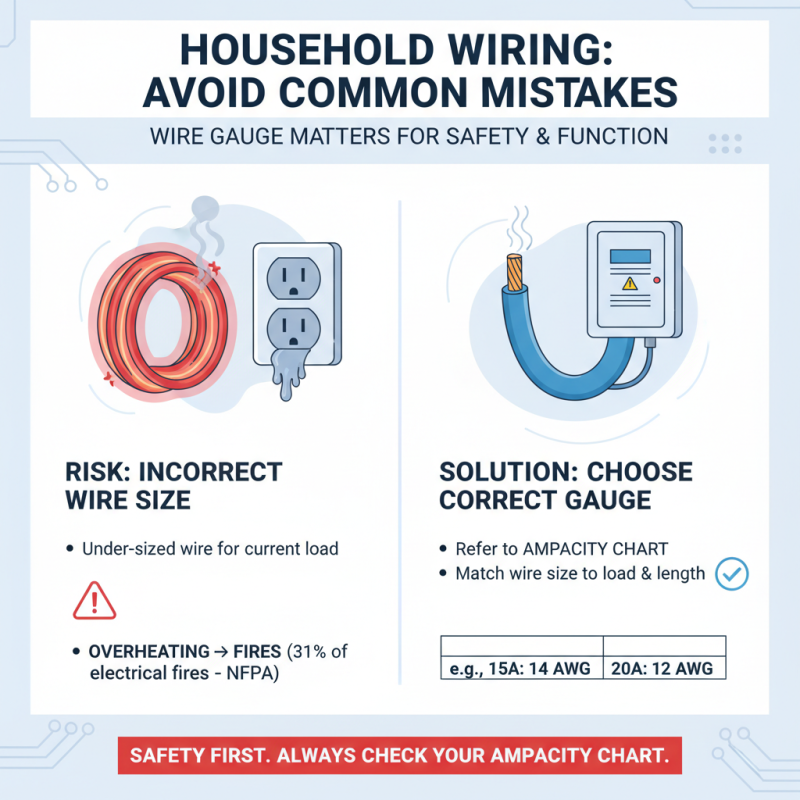
When undertaking household wiring projects, avoiding common mistakes is crucial for ensuring both safety and functionality. One frequent error is underestimating the importance of using the correct wire gauge. According to the National Fire Protection Association (NFPA), inadequate wire sizing accounts for 31% of electrical fires. If the wire gauge is too small for the current load, it can overheat and lead to catastrophic failures. Homeowners should always refer to a reliable ampacity chart to select the appropriate wire size based on the expected load and length of the run.
Another critical mistake is neglecting to properly secure connections. Loose or poorly connected wires can cause arcing, which is a leading cause of electrical fires, as reported by the Electrical Safety Foundation International (ESFI). Regularly checking and tightening connections, using wire nuts or appropriate connectors, and ensuring that no exposed wiring is left unsecured will significantly reduce potential hazards. Furthermore, the importance of adhering to local building codes cannot be overstated; compliance ensures that installations are safe and reduce risks associated with improper wiring practices.