10 Essential Tips for Safely Working with Household Wire
When it comes to home improvement and electrical projects, working with household wire can often be daunting. The risks associated with improper handling or installation can lead to serious accidents, including electrical shocks and fires. Therefore, it is crucial to approach any task involving household wire with caution and preparation. This article presents ten essential tips for safely working with household wire, ensuring that you can complete your electrical projects with confidence and security.
Understanding the basics of household wire is the first step towards a successful and safe experience. From selecting the right type of wire for your specific needs to employing proper techniques during installation, these guidelines will provide you with foundational knowledge to navigate the intricacies of residential wiring. By following these essential tips, you can minimize risks and ensure that your home remains safe and functional. Whether you are a seasoned DIY enthusiast or a novice tackling your first electrical project, these strategies will empower you to work safely with household wire while achieving your desired results.
Understanding Household Wiring: Basic Concepts and Safety Protocols
When working with household wiring, understanding basic concepts and adhering to safety protocols is crucial to prevent electrical hazards. According to the National Fire Protection Association (NFPA), electrical failures or malfunctions are involved in an estimated 47,000 home fires annually, leading to significant property damage and injuries. Key knowledge about voltage, amperage, and circuit systems can significantly reduce the risks associated with electrical work.
Tip 1: Always turn off the power at the circuit breaker before beginning any electrical work. This simple step can prevent accidental shocks or short circuits. Using a voltage tester to confirm that the power is indeed off is an essential practice.
Moreover, it is vital to be aware of common wiring types and their limitations. For example, using the correct wire gauge based on the ampacity charts, which adhere to the National Electrical Code (NEC), ensures that the wiring can safely handle the electrical load. Miscalculations can lead to overheating and potential fires.
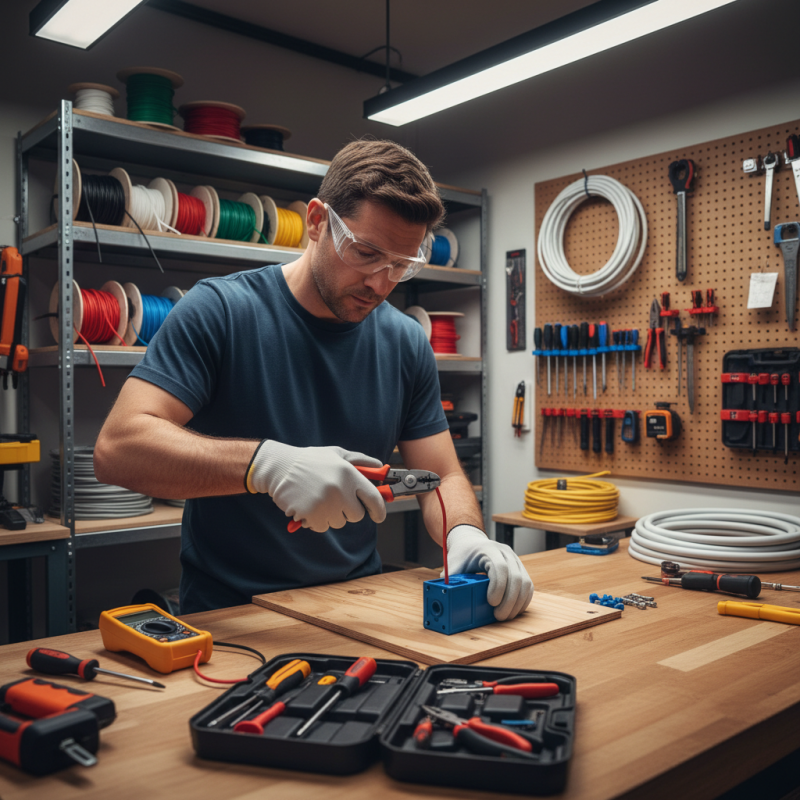
Tip 2: Wear appropriate personal protective equipment (PPE) such as insulated gloves and goggles while working with wires. These safeguards can protect against accidental electrical shocks and sparks.
Understanding these basic concepts of household wiring not only empowers individuals to handle minor electrical tasks but also promotes a culture of safety within the home. By emphasizing safety protocols, we can significantly reduce the chance of accidents and enjoy the conveniences that modern wiring offers.
10 Essential Tips for Safely Working with Household Wire
This chart illustrates the importance level of essential safety tips for working with household wiring. Each tip is rated on a scale of 1 to 10 based on its significance in ensuring safe electrical work at home.
Essential Tools and Equipment for Safe Wiring Tasks at Home
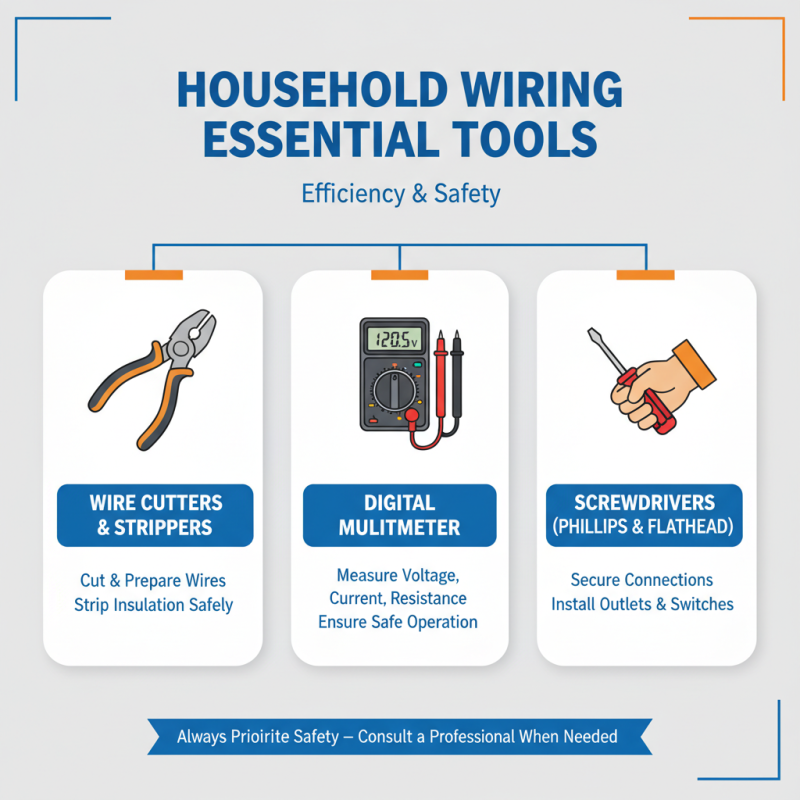
When embarking on household wiring tasks, having the right tools and equipment is essential for both efficiency and safety. A sturdy pair of wire cutters and strippers is fundamental to manage and prepare wires effectively. These tools allow homeowners to cut wires to the desired length and strip insulation without damaging the conductor beneath. In addition, a quality multimeter is indispensable for measuring voltage, current, and resistance, ensuring that systems operate within safe parameters before proceeding with any installation or repair.
Another crucial aspect of safe wiring tasks is the use of appropriate personal protective equipment (PPE). Safety goggles should be worn to protect your eyes from dust and accidental sparks, while insulated gloves provide an essential barrier against electrical shock. Furthermore, having a reliable, non-contact voltage tester on hand can help verify the absence of power in a wire before beginning work. By equipping yourself with these essential tools and safety gear, you can approach household wiring projects with confidence, minimizing risks and promoting a safer working environment.
Step-by-Step Guide to Identifying Electrical Hazards in Your Home
Identifying electrical hazards in your home is crucial for maintaining safety while working with household wiring. The first step involves a thorough visual inspection of all electrical outlets, switches, and wiring. Look for signs of wear such as frayed wires, burn marks, or any discoloration around outlets. These are indicators that a potential hazard could be lurking, and it’s best to address these issues before they escalate.
Next, evaluate the load on your circuits. Overloading can lead to overheating and increase the risk of electrical fires. Make sure that appliances are not connected to the same outlet in a way that exceeds the circuit’s capacity. Additionally, check for the presence of Ground Fault Circuit Interrupters (GFCIs) in areas prone to moisture, such as kitchens and bathrooms, as these devices can provide essential protection against electrical shock. By following these guidelines, you can create a safer environment and ensure that your home remains free from electrical hazards.
Proper Techniques for Cutting, Stripping, and Connecting Wires
When working with household wires, mastering the techniques for cutting, stripping, and connecting is crucial for both safety and efficiency. According to the National Fire Protection Association, improper wiring accounts for approximately 50% of home electrical fires. Therefore, ensuring proper methods can significantly reduce risks.
When cutting wires, always use the appropriate tools designed for electrical work, such as insulated wire cutters. This helps prevent injury from accidental shocks. Ensure that you are cutting wires with the power turned off to eliminate any risk of electric shock. When it comes to stripping wires, aim to remove only the insulation while avoiding damage to the conductor itself. A wire stripper is ideal for this, providing a precise cut without risk of fraying or exposing too much wire. It’s recommended to strip about ½ inch of insulation for most connections, as this ensures a secure fit without excessive exposure.
For connecting wires, twist-on wire connectors are often recommended due to their reliability. Be sure to twist the stripped ends of the wires tightly together before applying the connector, which helps make a strong electrical bond. Always check that the connector is intact and secure to prevent any accidental disconnections, which can lead to sparks or shorts. Following these tips and adhering to safety practices means a smoother and safer wiring project in your home.
10 Essential Tips for Safely Working with Household Wire
| Tip |
Description |
Safety Equipment |
Best Practices |
| 1. Always Disconnect Power |
Ensure that the power to the circuit is turned off before starting any work. |
Voltage tester |
Use a voltage tester to confirm power is off. |
| 2. Use Insulated Tools |
Always use tools that have insulated handles to prevent electric shocks. |
Insulated pliers, screwdrivers |
Inspect tools regularly for damage. |
| 3. Know Your Wires |
Understand the type of wire you are working with and its electrical ratings. |
N/A |
Research wire types before beginning your project. |
| 4. Cut Wires Properly |
Use wire cutters designed for the gauge of wire you are cutting. |
Wire cutters |
Cut the wire cleanly to avoid frayed ends. |
| 5. Strip Wires Safely |
Use a wire stripper to remove insulation without damaging the conductor. |
Wire strippers |
Choose the correct size setting to prevent over-stripping. |
| 6. Use Proper Connectors |
Choose the right connectors for the wire type and application. |
Wire nuts, terminals |
Ensure a secure fit to avoid loose connections. |
| 7. Avoid Overloading Circuits |
Never exceed the recommended load for your circuit. |
Circuit load calculator |
Check amperage ratings before adding new devices. |
| 8. Keep Work Area Clean |
Maintain a tidy workspace to reduce hazards. |
N/A |
Remove debris and unnecessary tools from the area. |
| 9. Label Your Wires |
Clearly label wires to avoid confusion during reconnecting. |
Labels, tape |
Use color-coded labels for easy identification. |
| 10. Consult a Professional |
If uncertain, seek help from a licensed electrician. |
N/A |
Safety is paramount; don't hesitate to ask for help. |
Best Practices for Testing and Troubleshooting Household Electrical Systems
When it comes to safely working with household electrical systems, testing and troubleshooting are critical skills that every homeowner should have in their toolkit. Before embarking on any electrical project, ensure that you have the right tools on hand, including a multimeter or circuit tester. These devices allow you to check for live wires and proper voltage levels, which can prevent accidental shocks or shorts. Always begin by turning off the power to the area you’ll be working in, and double-check with your tester to confirm that no electricity is flowing through the wires.
In addition to using the right tools, being methodical in your approach is key. When troubleshooting, start by inspecting visible wiring for any signs of damage or wear, such as frayed insulation or burn marks. If you encounter a faulty outlet or switch, it’s advisable to check the electrical connections as loose wires can often lead to circuit failures. Familiarize yourself with the circuit layout of your home; this can help you track down issues more efficiently. Remember, patience and attention to detail are essential when dealing with household electrical systems, ensuring a safer environment for you and your family.