What is Flat Submersible Cable and Its Applications in Various Industries
In the world of electrical engineering, the significance of innovative solutions cannot be overstated, particularly when it comes to essential components such as the Flat Submersible Cable. This specialized cable is designed to perform reliably in submerged environments, making it invaluable for various industries, including agriculture, aquaculture, and groundwater extraction. As John Thompson, a respected expert in cable technology, aptly stated, "The Flat Submersible Cable is not just a product; it represents a paradigm shift in how we approach underwater electrical applications." His insights highlight the critical role this cable plays in ensuring operational efficiency and safety in challenging environments.
Flat Submersible Cables are engineered to withstand harsh conditions while maintaining excellent conductivity and longevity. Their unique design offers several advantages, such as space-saving installation and reduced buoyancy, which are particularly advantageous in water applications. From powering pumps in irrigation systems to facilitating fish farming operations, the versatility of Flat Submersible Cables continues to evolve, paving the way for efficient and sustainable practices across sectors. As industries increasingly rely on advanced electrical solutions, understanding the capabilities and applications of Flat Submersible Cables will be imperative for future advancements.
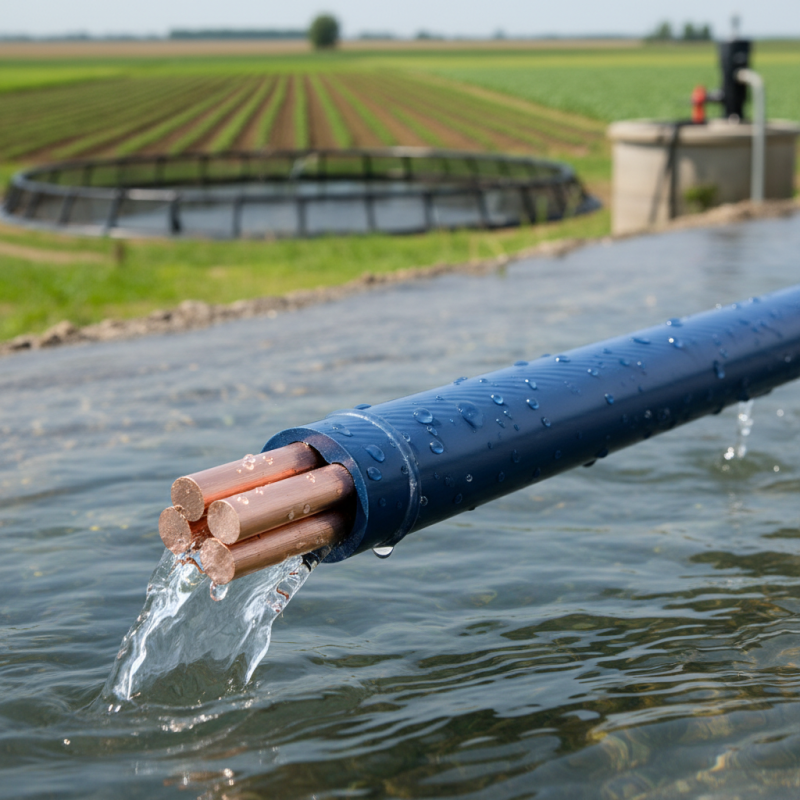
What is Flat Submersible Cable?
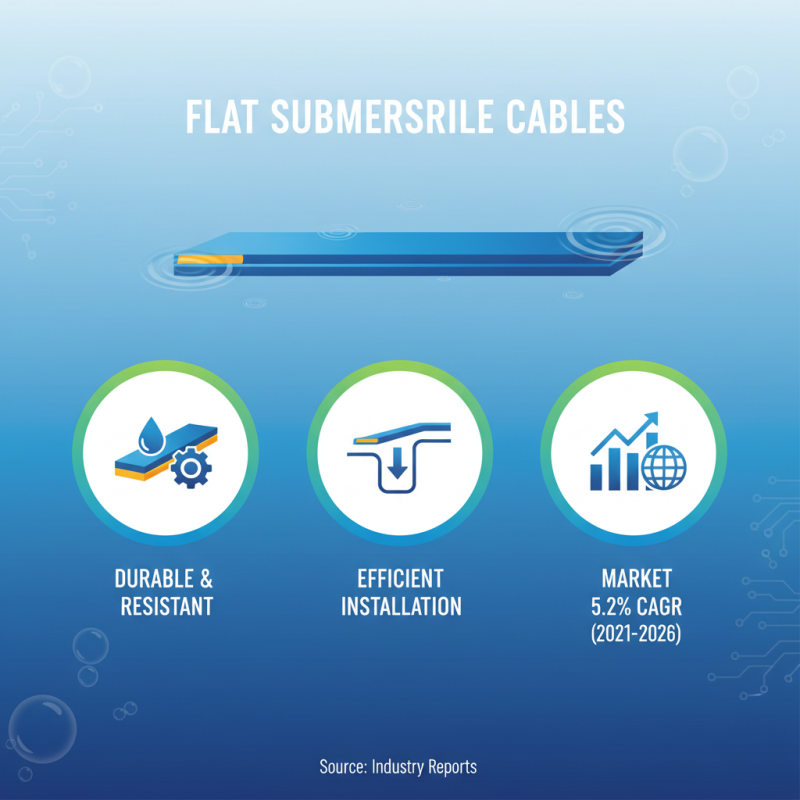
Flat submersible cables are specialized electrical cables designed to operate in submerged conditions, such as underwater or in wet environments. These cables are flat in shape, allowing for more efficient installation and minimizing space usage, particularly in applications where traditional round cables may not be suitable. Typically, flat submersible cables are constructed with durable materials that provide resistance to water, chemicals, and abrasion, ensuring a long lifespan and reliable performance in harsh conditions. According to industry reports, the global demand for submersible cables is projected to grow at a CAGR of 5.2% from 2021 to 2026, as more industries adopt these solutions for their operational needs.
One of the most significant applications of flat submersible cables is in the water treatment industry, where they are used to power pumps and other equipment submerged in water. They are also extensively utilized in the agricultural sector for irrigation systems, where efficient electrical connections are crucial for energy savings and operational effectiveness. Additionally, flat submersible cables are becoming increasingly common in renewable energy projects, particularly in underwater wind farms and tidal energy systems, due to their ability to withstand unique environmental challenges.
Tips: When selecting flat submersible cables, it is essential to consider factors such as depth of installation, water temperature, and chemical exposure to ensure compatibility and safety. Regular maintenance checks are also advisable to monitor for any signs of wear or damage to prevent operational failures. Always consult with industry experts to choose the right specifications for your specific application needs.
Key Features of Flat Submersible Cables
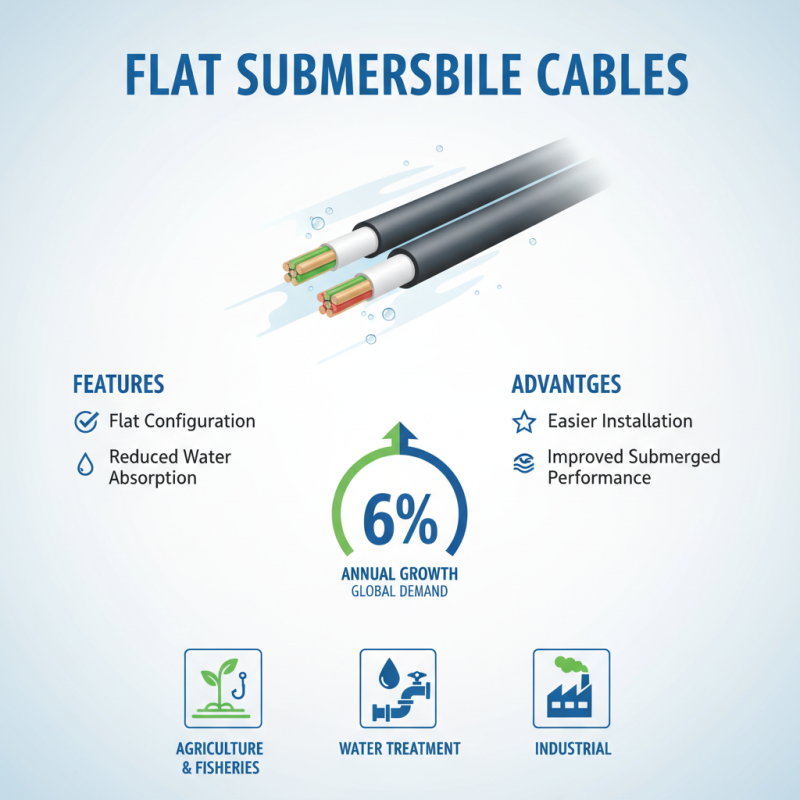
Flat submersible cables have become indispensable in various industries due to their distinctive features and advantages. These cables are typically constructed with multiple conductors arranged in a flat configuration, which facilitates easier installation and management in tight spaces. The innovative design allows for reduced water absorption and improved performance in submerged environments. According to industry reports, the global demand for flat submersible cables is expected to grow by approximately 6% annually, driven by their applications in agriculture, fisheries, and water treatment facilities.
One of the key features of flat submersible cables is their robust insulation and resistance to environmental factors such as moisture, abrasion, and chemicals. This is essential for longevity and reliability, especially in harsh operating conditions. Research indicates that cables designed for continuous submersion can endure temperatures ranging from -40°C to 90°C, ensuring consistent performance even in extreme conditions. Furthermore, the flexibility of flat cables provides ease of handling and installation, making them ideal for various applications where space is limited, such as in pumping systems and remote underwater installations. The combination of durability and flexibility solidifies their role as a critical component across multiple sectors.
Common Applications in the Marine Industry
Flat submersible cables play a crucial role in various applications, particularly within the marine industry. These cables are specifically designed to endure the harsh conditions found underwater, including exposure to saltwater, pressure, and potential mechanical stress. Their flat design allows for efficient installation in tight spaces, making them ideal for use in underwater robotics, submersible pumps, and marine energy systems. Additionally, their flexibility ensures they can easily navigate bends and turns, maintaining connectivity in dynamic environments.
Tips for selecting the right flat submersible cable include assessing the specific environmental conditions it will face. Consider the depth of submersion, temperature ranges, and potential chemical exposures to determine cable durability. Additionally, always prioritize cables with higher abrasion resistance for areas prone to wear and tear, ensuring long-term reliability and performance in underwater applications.
Moreover, it’s essential to pay attention to the cable’s power rating and voltage drop over distance. Too much voltage drop can lead to inefficient performance or even equipment failure, especially in sensitive marine operations. By selecting the appropriate flat submersible cable tailored to your specific marine needs, industries can enhance operational efficiency and reduce maintenance costs significantly.
Applications of Flat Submersible Cables in the Marine Industry
Usage in Municipal Water and Wastewater Systems
Flat submersible cables are increasingly becoming a crucial component in municipal water and wastewater systems. These cables are specifically designed to work effectively in submerged environments, facilitating the efficient operation of pumps and other essential equipment in treatment facilities. According to industry reports, the global market for submersible cables is expected to reach USD 1.5 billion by 2025, driven by the growing demand for sustainable water management solutions and the expansion of urban infrastructure.
The adaptability of flat submersible cables makes them ideal for various applications within municipal systems. They provide reliable electrical connections for submersible pumps, which are vital for transporting water from underground sources to processing facilities. Additionally, these cables are resistant to chemicals, moisture, and other environmental factors, ensuring long-term performance in harsh conditions. As municipalities face challenges with aging infrastructure and increasing population demands, the implementation of flat submersible cables offers a robust solution to enhance operational efficiency and improve water quality standards in wastewater treatment processes.
Furthermore, advancements in materials technology have allowed for the development of cables that not only meet industry standards but also exceed performance requirements. Research indicates that more than 40% of urban water systems currently utilize submersible pumps, highlighting the critical need for reliable cable systems to ensure uninterrupted service. As cities continue to invest in modernizing their water infrastructure, flat submersible cables will play a pivotal role in supporting operational resilience and environmental sustainability initiatives.
Benefits of Flat Submersible Cables in Various Sectors
Flat submersible cables offer numerous advantages that make them suitable for various industries. Their unique design allows for efficient space utilization, which is particularly beneficial in applications where minimizing the cable footprint is essential. This is often the case in industrial settings, such as water treatment plants, where flat cables can be easily installed in tight spaces. Additionally, their flat configuration aids in reducing turbulence in water, making them ideal for submersible pumps and other equipment operating underwater.
Moreover, flat submersible cables are engineered to be resistant to harsh conditions, including extreme temperatures and can handle exposure to various chemicals. This durability is vital in sectors such as agriculture, where cables are used in irrigation systems, and in marine applications, where they must operate effectively in saline environments. The robust construction of these cables ensures reliable performance, reducing the need for frequent maintenance and replacements, which can be costly for businesses. Ultimately, the benefits of flat submersible cables streamline operations across multiple industries, contributing to enhanced productivity and efficiency.
What is Flat Submersible Cable and Its Applications in Various Industries - Benefits of Flat Submersible Cables in Various Sectors
| Industry |
Application |
Benefits |
Specifications |
| Agriculture |
Irrigation Systems |
Durability, corrosion resistance |
Multi-conductor, water-proof |
| Construction |
Pumping Stations |
Flexible installation, space-saving |
Flat design, high voltage |
| Marine |
Underwater Cables |
Waterproof, resistant to saltwater |
Heavy-duty insulation, UV resistance |
| Renewable Energy |
Solar Farms |
Long lifespan, high flexibility |
Low smoke, environmentally friendly |
| Mining |
Pump Systems |
High stability, effective heat dissipation |
Chemical resistant, high conductivity |