What is Flexible Cable Wire and How is it Used?
Flexible Cable Wire is an essential component in modern electrical systems. This type of wire is known for its adaptability and durability. It consists of multiple thin strands of metal, allowing for easy bending and movement. As technology evolves, the demand for flexible wiring in various applications increases.
In residential and commercial settings, Flexible Cable Wire is widely used. It can power appliances, lighting fixtures, and even computer systems. This versatility is a key reason for its popularity. However, not all types of flexible wires are suitable for every project, which can lead to misjudgments. Choosing the right wire requires careful consideration of the environment and application needs.
Understanding Flexible Cable Wire’s specifications is crucial. It is important to know the wire's current rating, insulation material, and flexibility. Misunderstanding these factors could result in safety hazards or inefficient performance. Thus, knowledge and experience play a significant role in effectively using this wiring.
What is Flexible Cable Wire?
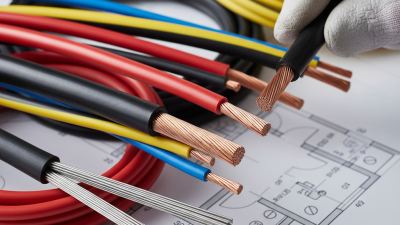
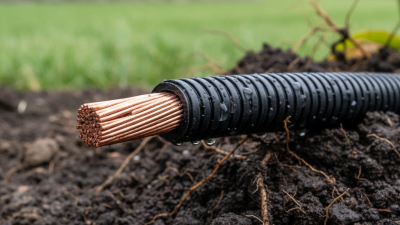
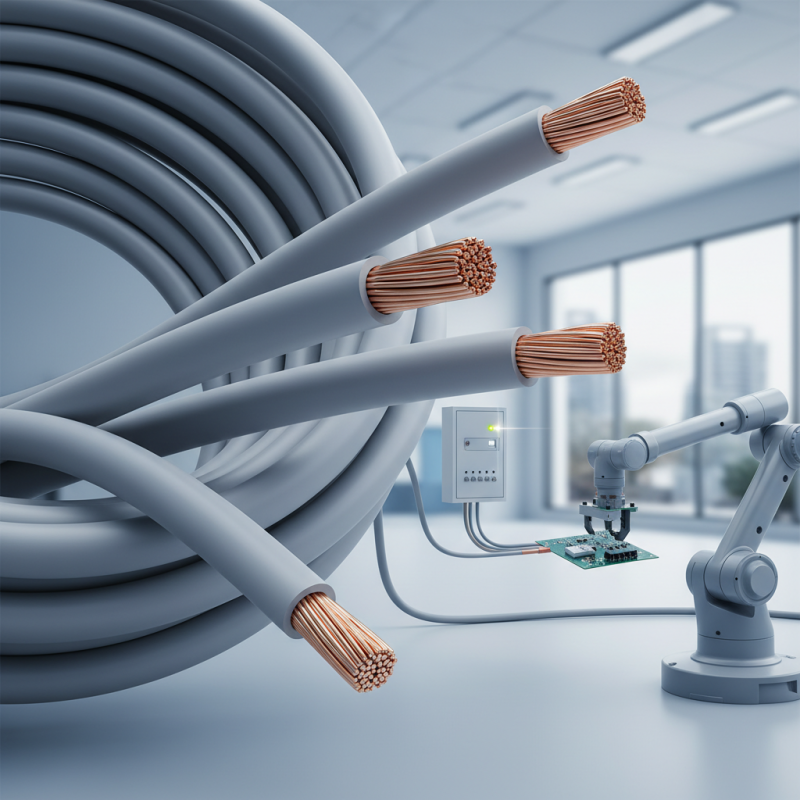
Flexible cable wire is a versatile electrical component used in various applications. It consists of multiple strands of copper or aluminum wire, allowing it to bend easily without breaking. This flexibility makes it an ideal choice for environments where movement is common, such as robotics, automotive, and portable electrical devices.
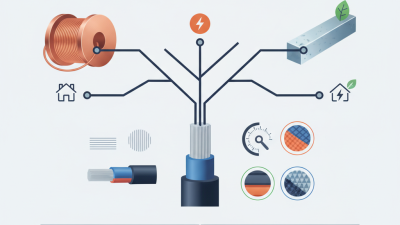
When choosing flexible cable wire, consider the gauge and material. Thicker wire can handle more current. Copper is often preferred for its excellent conductivity. However, aluminum can be lighter and more cost-effective. Make sure to examine the insulation type as well, since it should match the specific requirements of your project.
Tips: Always check the temperature and voltage ratings. Ensure the wire is suitable for the intended environment. If unsure, consult a specialist for better guidance.
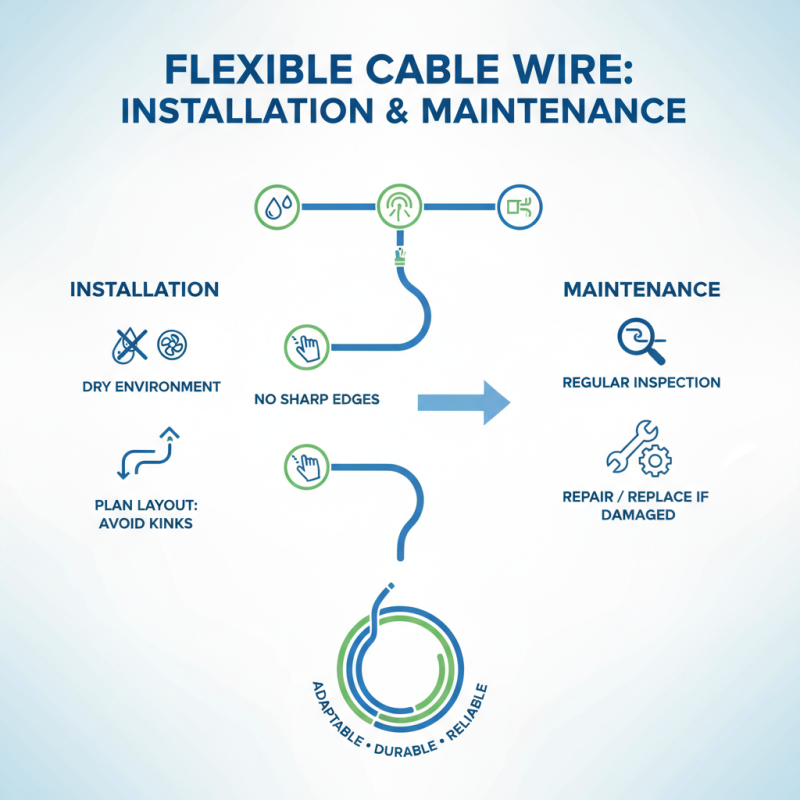
Proper handling is crucial. Too much bending or twisting can compromise the wire's integrity. Inspect connections regularly to avoid potential hazards. Remember, flexibility does not mean fragility. Training is essential for safe installation and maintenance.
Key Features of Flexible Cable Wire
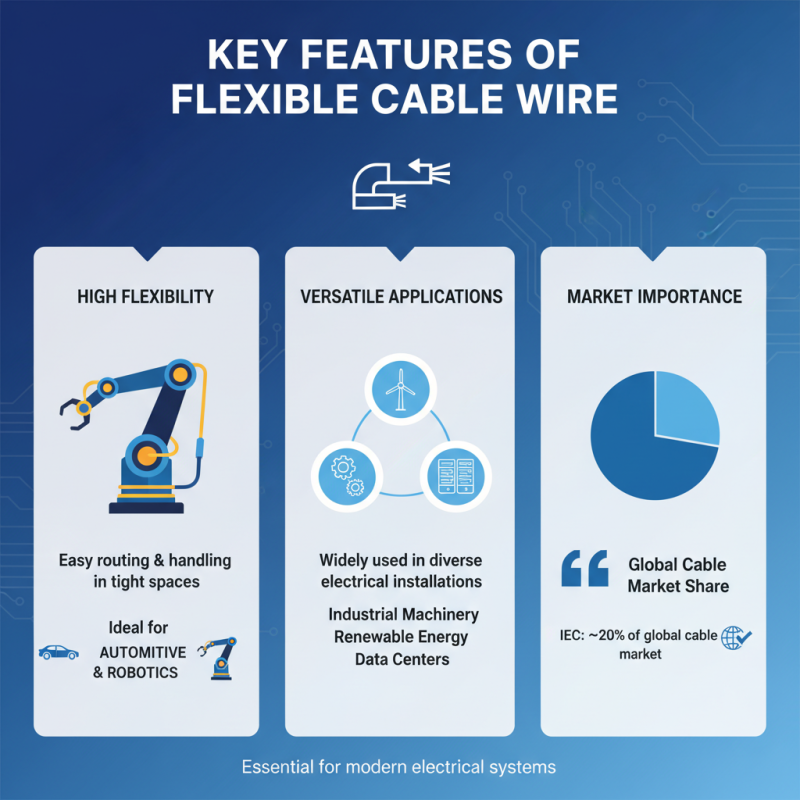
Flexible cable wire is a versatile component widely used in various applications. Its key features play a critical role in making it a preferred choice for electrical installations. One essential attribute is its high flexibility, which allows for easy routing and handling in tight spaces. This makes it ideal for use in industries such as automotive and robotics, where maneuverability is crucial. According to the International Electrotechnical Commission (IEC), flexible cables account for approximately 20% of the global cable market, highlighting their importance.
Another significant feature is the ability to endure bending and twisting without compromising performance. This is largely due to the high-quality conductive materials and insulation used in manufacturing. A recent report from Research and Markets indicates that the demand for flexible cables is projected to grow at a CAGR of 5.2% from 2023 to 2030. As various sectors continue to innovate and expand, flexible cables remain an essential component for future technology.
Moreover, flexible cable wires are designed to withstand harsh environmental conditions. For example, many are resistant to chemicals and extreme temperatures. This adaptability is critical in industries like construction and renewable energy. The decision to use flexible cables should consider both their advantages and limitations, as some applications may require specific types of cables better suited for particular conditions. Choosing the right cable is essential for optimizing performance and ensuring safety.
Common Applications of Flexible Cable Wire
Flexible cable wire is widely used in various industries due to its adaptability. This type of wire can bend and move easily, making it ideal for many applications. One common use is in construction. Here, flexible cables are often found in powered tools and machinery. Their flexibility allows for easy maneuverability around job sites.
In the automotive industry, flexible cable wire plays a crucial role. It connects various electrical components, such as lights and sensors. These cables must withstand vibrations and temperature changes. In manufacturing, flexible wires are also essential for robotics. They enable movements and ensure that delicate parts connect seamlessly. The ability to adapt to different environments is a significant advantage.
Despite its many uses, flexible wire can also have limitations. Under certain conditions, the insulation may wear down quickly. Manufacturers need to ensure they choose the right type for specific tasks. This choice can impact performance and safety. Regular checks are necessary to identify wear and tear. Flexibility offers numerous benefits, but it’s essential to consider potential drawbacks.
Common Applications of Flexible Cable Wire
Benefits of Using Flexible Cable Wire
Flexible cable wire is widely used in various applications due to its numerous benefits. One of the primary advantages is its ability to bend easily without breaking. This flexibility makes it ideal for tight spaces, intricate designs, and moving parts. Electricians and engineers often prefer this type of wire for electrical installations where conventional wire might not suffice.
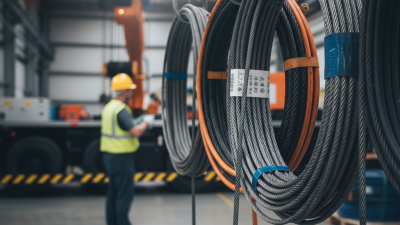
Using flexible cable wire can enhance efficiency. It allows for quicker installation, saving both time and labor costs. Moreover, its durability adds to its appeal. It can withstand vibrations and movements that would damage standard wire. This resilience is vital in environments such as factories, vehicles, and outdoor settings.
Tips: When selecting flexible cable wire, assess the environment it will be used in. Ensure it meets the required specifications for voltage and current. Regularly check for wear and tear. This helps maintain safety and reliability. It’s also essential to consider the wire’s insulation. Proper insulation prevents accidents and prolongs the wire's life.
What is Flexible Cable Wire and How is it Used? - Benefits of Using Flexible Cable Wire
| Dimension |
Description |
Applications |
Benefits |
| Conductor Material |
Copper or aluminum |
Electrical wiring, automotive |
High conductivity |
| Insulation Type |
PVC, XLPE, or rubber |
Home appliances, industrial equipment |
Thermal resistance and flexibility |
| Flexibility Rating |
Very flexible, can handle bending |
Construction, robotics |
Easier installation and movement |
| Temperature Rating |
-40°C to 90°C |
Outdoor, automotive |
Suitable for harsh environments |
| Voltage Rating |
Up to 600V |
Solar panels, generators |
Safe for high voltage applications |