What Are the Four Core Wire Types for Global Buyers?
In the global marketplace, understanding wire types is essential for buyers. Among various options, the "Four Core Wire" types stand out. These wires are fundamental for various industries, including construction, automotive, and electronics.
The importance of selecting the right wire cannot be overstated. Each of the Four Core Wire types serves distinct purposes. For instance, some are designed for high voltage, while others are better suited for flexibility. Knowing these differences can impact project success.
Buyers must navigate complex specifications when choosing wire types. Many factors, such as material and insulation, contribute to performance. It's essential to seek expert advice and conduct thorough research before making decisions. Reflecting on these choices could lead to improved outcomes in future projects.
Understanding the Importance of Wire Types for Global Buyers
Understanding the specific wire types is essential for global buyers. Different applications require different wire types to ensure safety and efficiency. A study from the International Wire and Cable Symposium highlights that about 70% of wiring failures come from improper wire selection. This statistic emphasizes the need for buyers to understand the core wire types available.
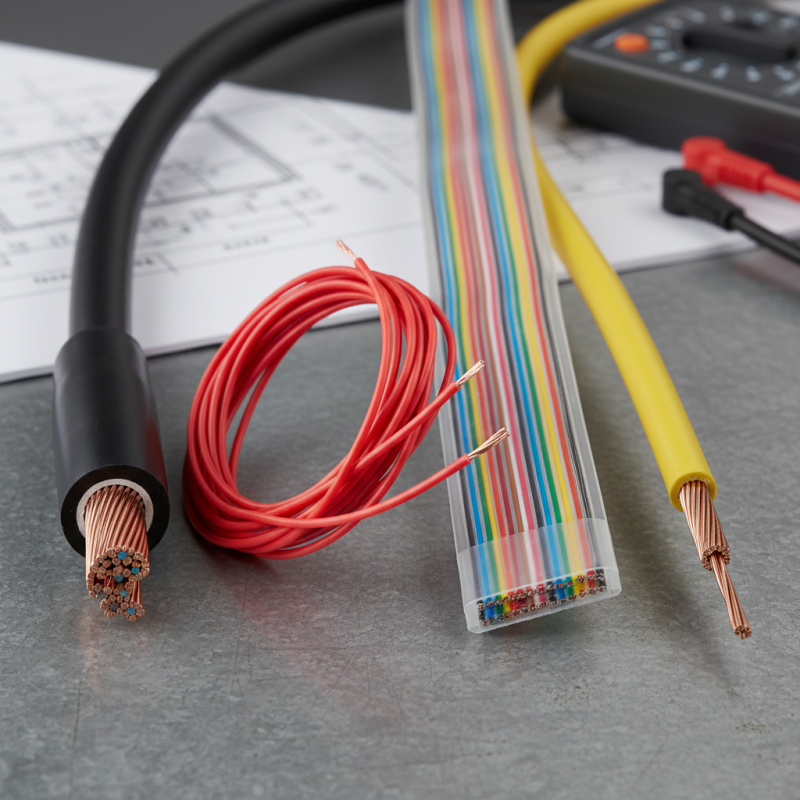
The four core wire types include copper, aluminum, fiber optic, and specialty wires. Copper wires are highly conductive and durable, making them suitable for most electrical applications. Aluminum wires, while lighter and more cost-effective, may require larger diameters for comparable performance. Fiber optic wires offer high-speed data transmission but can be more fragile. Specialty wires serve niche applications but require thorough knowledge for safe use.
Buyers must evaluate the specific requirements of their projects. Ignoring these factors could lead to inefficiencies or safety risks. Inaccurate wire choices may increase costs and project timelines. Thorough research and professional guidance help mitigate these challenges. Making informed choices will foster better performance and reliability in global markets.
Overview of the Four Core Wire Types in the Market
In the global market, four core wire types stand out. These include copper, aluminum, fiber optic, and specialty wires. Each type has distinct characteristics suitable for various applications. Understanding their differences aids in making informed sourcing decisions.
Copper wires are highly conductive and versatile. They are often used in residential wiring and electronic devices. However, they can be more expensive than alternatives, which may deter some buyers. Aluminum wires serve as a lighter, cost-effective option but require special considerations due to their conductivity issues.
Fiber optic wires transmit data at high speeds. They have become essential in telecommunications and internet services. Despite their advantages, installation can be complex and may require professional expertise. Specialty wires cater to specific needs, such as high-temperature or corrosive environments. Knowing when to opt for these can enhance performance and longevity.
Tips: Always consider the environment where the wire will be used. Matching the wire type to conditions is crucial. Consult with experts in the field if you're unsure. Make sure to evaluate costs but don’t sacrifice quality for savings.
What Are the Four Core Wire Types for Global Buyers? - Overview of the Four Core Wire Types in the Market
| Wire Type |
Material |
Typical Uses |
Gauge Size |
Temperature Rating |
| Copper Wire |
Copper |
Electrical wiring, electronics |
16-10 AWG |
60°C to 150°C |
| Aluminum Wire |
Aluminum |
Power distribution, overhead lines |
2-6 AWG |
90°C |
| Fiber Optic Cable |
Glass or plastic fibers |
Telecommunication, data networks |
Varies |
-40°C to 70°C |
| Coaxial Cable |
Copper/aluminum core with insulation |
Cable television, internet |
18-22 AWG |
-20°C to 75°C |
Characteristics of Copper Wire and Its Applications
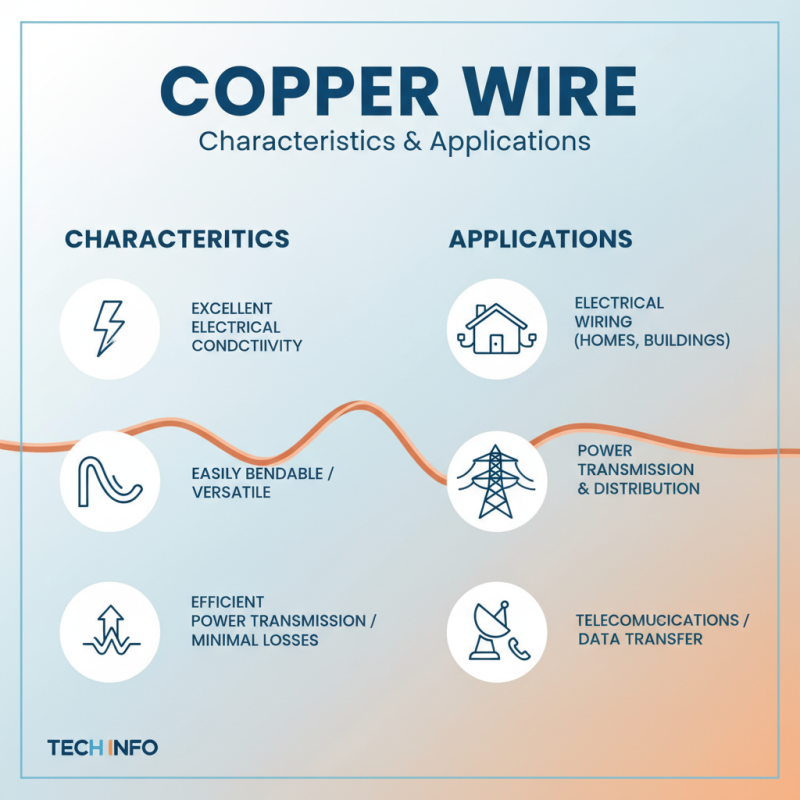
Copper wire is an essential component in many industries due to its excellent electrical conductivity. It is often chosen for electrical wiring, power transmission, and telecommunications. This metal is highly efficient in transmitting electricity with minimal losses. It also bends easily, making it versatile for various applications.
The properties of copper wire enable it to handle high currents without overheating. Its durability and resistance to corrosion make it suitable for both indoor and outdoor use. However, copper wire is not always the best choice. Its cost can be a barrier for some projects. Additionally, it can be affected by environmental factors, such as humidity, which may lead to more frequent maintenance.
Understanding the characteristics of copper wire is crucial for buyers. While it offers many advantages, there are challenges too. High prices may lead some to consider alternatives, like aluminum wire. Ultimately, the decision often comes down to specific project requirements and budget constraints. Each option has its own set of benefits and drawbacks.
Exploring Aluminum Wire: Benefits and Limitations
Aluminum wire is a popular choice in various applications due to its lightweight and cost-effectiveness. According to industry reports, aluminum wire can be up to 60% lighter than its copper counterpart, making it an attractive option for manufacturers looking to reduce overall weight. This property is beneficial in transportation and aerospace sectors, where reducing weight leads to enhanced fuel efficiency.
However, aluminum wire does come with its limitations. Its conductivity is about 61% that of copper, which could lead to efficiency losses in electrical systems. A study by the National Electrical Contractors Association highlights that while aluminum is cheaper, its lower conductivity may necessitate larger diameters to achieve the same current-carrying capacity. This can counteract some of the initial savings, especially in large-scale projects.
Additionally, aluminum wire is more prone to oxidation when exposed to the environment. This can lead to increased resistance and potential overheating if not adequately addressed. Professionals recommend using proper connectors and regular maintenance to mitigate these risks. Both benefits and limitations must be carefully evaluated to make informed purchasing decisions in the global market for wires.
The Role of Stainless Steel Wire in Various Industries
Stainless steel wire plays a vital role across many industries due to its unique properties. This versatile material is known for its strength, corrosion resistance, and durability. It is widely used in construction, automotive, and aerospace sectors, among others. In construction, stainless steel wire is often employed in scaffolding and reinforcement applications. Its ability to withstand harsh environments makes it ideal for outdoor structures.
Tips: When sourcing stainless steel wire, consider the specific grade. Different grades offer varying levels of corrosion resistance. Ensure you understand your project requirements before making a choice.
In the automotive industry, stainless steel wire is essential for manufacturing components such as springs and clamps. These components must endure extreme conditions. The reliable performance of stainless steel wire ensures safety and efficiency in vehicles. Additionally, in the aerospace sector, the lightweight yet strong attributes of stainless steel wire contribute significantly to aircraft design.
Tips: Regular testing is crucial when using stainless steel wire in sensitive applications. Implement quality control measures to ensure compliance with industry standards.
Being mindful of your wire selection is essential. Incorrect choices can lead to failures that are expensive and dangerous. Understanding the attributes of stainless steel wire and its applications can enhance project outcomes.