Understanding Home Wire Basics: A Comprehensive Guide to Safe Electrical Installations
When it comes to residential electrical installations, understanding home wire basics is essential for both safety and functionality. This comprehensive guide aims to demystify the often complex world of home wiring, providing you with the necessary knowledge to navigate various electrical projects with confidence. Whether you're a seasoned DIY enthusiast or a novice homeowner, having a firm grasp of home wire principles can prevent hazards and ensure that your electrical system operates efficiently. From recognizing different types of wires and their applications to learning about proper installation techniques, this guide will equip you with the critical insights needed to tackle electrical work safely. Join us as we explore the fundamental aspects of home wiring, empowering you to make informed decisions that safeguard your home and enhance your living environment.
Introduction to Home Wiring Fundamentals for Safety
Understanding the fundamentals of home wiring is essential for ensuring safety in electrical installations. A key aspect of this knowledge is the implementation of effective safety measures that help prevent electrical fires, which can occur if wiring is improperly installed or maintained. This includes understanding the basics of circuit design, the importance of using the correct wire gauge, and ensuring that all connections are secure. Homeowners should be aware of potential hazards, such as overloading circuits, and the role of protective devices like circuit breakers and fuses in mitigating these risks.
Integrating a control-oriented model into hazard-based safety engineering is crucial for enhancing fire safety measures within residential electrical systems. This model allows for a more proactive approach to identifying and managing potential hazards by concentrating on the control elements in the installation process. By recognizing and addressing these hazards early, homeowners can make informed decisions about their wiring choices, ensuring long-term safety and reliability. Proper knowledge and application of these principles empower individuals to create safer living environments, reducing the likelihood of electrical incidents.
Essential Tools and Materials for Safe Electrical Installations
When embarking on electrical installations at home, having the right tools and materials is essential for ensuring safety and efficiency. A well-stocked toolbox can make all the difference. Basic tools include a voltage tester, wire cutters, strippers, and a good quality screwdriver set. Additionally, investing in a multimeter allows you to measure voltage, current, and resistance, which is crucial for diagnosing electrical issues.
Tips: Always ensure that your tools are insulated to prevent accidental shocks. Before starting any project, clear your workspace and have all necessary materials at hand. This not only saves time but also minimizes the risk of errors and accidents.
Along with tools, the right materials are vital for safe electrical installations. Use high-quality wires that meet the necessary gauge requirements for your project. Also, stock up on electrical connectors and junction boxes, as these will help you securely and safely join wires. Choosing the correct circuit breakers and fuses for your home can also protect against overloads and faults.
Tips: Label all wires as you work to avoid confusion later. Make sure to follow local building codes and consider consulting with a professional for any complex installations to ensure compliance and safety.
Step-by-Step Guide to Planning Your Electrical Wiring Layout
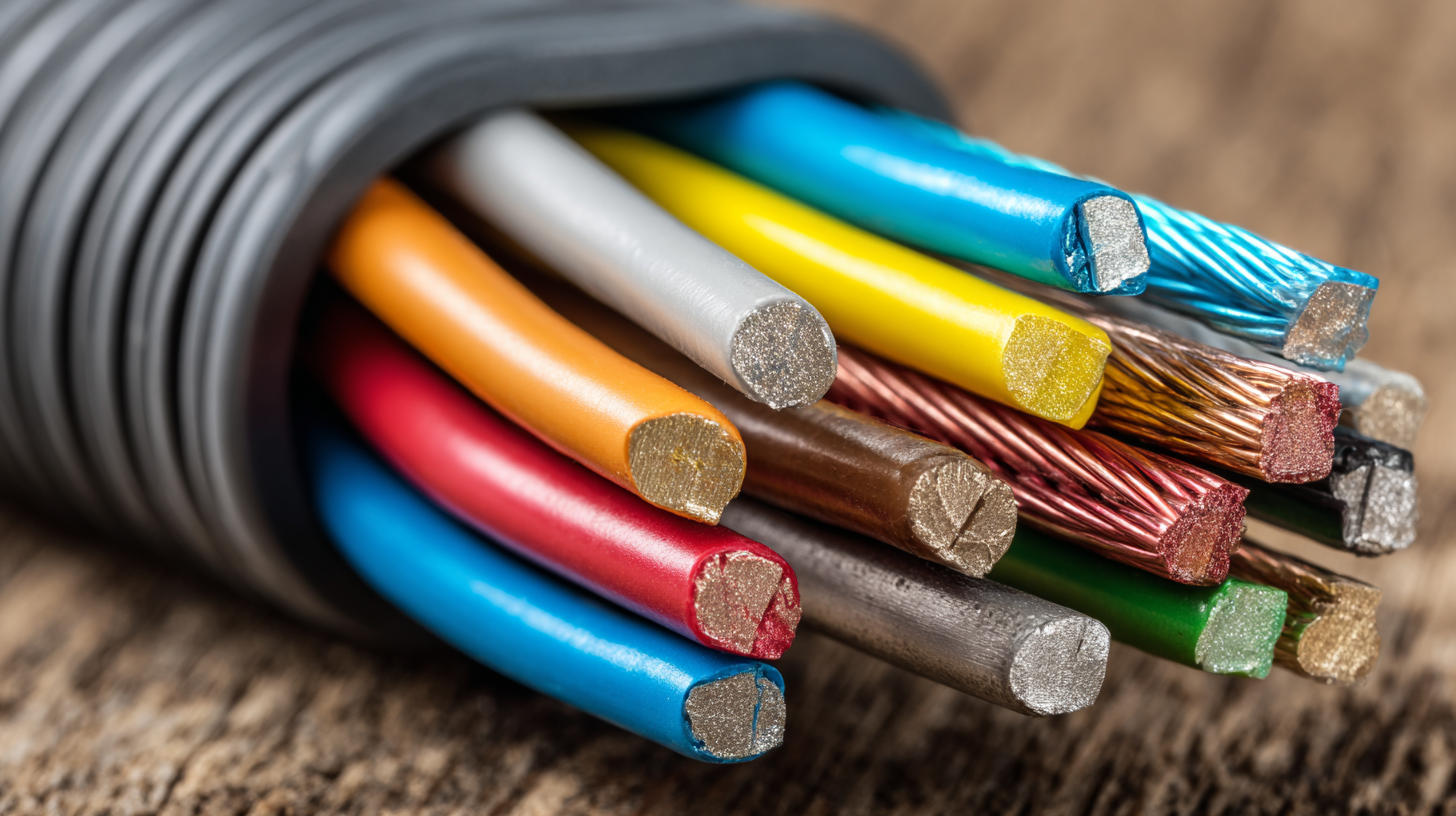
When planning your electrical wiring layout, it is essential to start with a clear and comprehensive strategy to ensure both safety and functionality. According to the National Electrical Code (NEC), every home should have its wiring system designed to accommodate not just current electrical needs, but also potential future expansions. This foresight helps homeowners avoid costly modifications down the line. A well-designed layout incorporates various circuits for different parts of the home, which can enhance performance and reduce the risk of overloads.
Tip: Always sketch your electrical layout on paper before installation. This will help visualize the placements of outlets, switches, and fixtures, and allow you to optimize the flow of electricity throughout your home.
Incorporating smart technology into your wiring plan is a growing trend, with a report by the Consumer Technology Association stating that smart home devices will reach a penetration of 55% by 2025. This shift necessitates careful planning, especially for power sources and data connections. Ensure that your layout accommodates extra outlets for smart devices, as well as sufficient bandwidth for internet connectivity.
Tip: Use labeled circuit breakers in your panel to make future upgrades and troubleshooting easier. This small step can save you time and stress when addressing electrical issues or adding new devices.
Common Wiring Methods and Techniques for Home Installations
When it comes to home electrical installations, knowing the common wiring methods and techniques is essential for ensuring safety and efficiency. One of the most widely used wiring methods is the non-metallic sheathed cable (NM cable), which is favored for its flexibility and ease of installation. According to the National Electrical Code (NEC), this type of wiring is suitable for residential use and can be employed in walls, ceilings, and floors, making it versatile for various applications. Furthermore, the use of grounded outlets and proper circuit breakers is vital for protecting the home from potential electrical hazards.
Tips: Always ensure that you follow local codes and regulations when selecting wiring methods. For homes built before the 1970s, consider upgrading to modern wiring techniques to enhance safety and comply with current standards.
Another common method is using conduit wiring, which involves running electrical wires through protective tubing. This method is particularly useful in locations where wires may be exposed to moisture or physical damage. Studies from the Electrical Safety Foundation International (ESFI) indicate that homes equipped with updated wiring systems have a 75% lower risk of electrical fires, highlighting the importance of proper installation techniques.
Tips: Regularly inspect your home's wiring and connections to detect any signs of wear or damage. Consider hiring a licensed electrician for installations and upgrades to ensure compliance with safety standards.
Understanding Home Wire Basics: A Comprehensive Guide to Safe Electrical Installations
| Wiring Method |
Common Applications |
Safety Considerations |
Installation Tips |
| Romex Wiring |
Residential wiring for outlets and switches |
Must be installed in walls, protected from damage |
Use proper gauge; ensure no sharp bends |
| Conduit Wiring |
Commercial applications, outdoor settings |
Protects wires from mechanical damage |
Seal connections watertight; use correct fittings |
| Knob and Tube Wiring |
Older homes and vintage installations |
Not up to current codes; potential fire hazard |
Consider upgrading to modern wiring |
| Twisted Pair Wiring |
Telephone and data networks |
Ensure proper shielding to reduce interference |
Maintain twists until point of termination |
| Fiber Optic Wiring |
High-speed internet and telecommunications |
Handle with care; avoid sharp bends |
Use appropriate connectors; test for continuity |
Safety Precautions and Best Practices When Working with Electricity
When working with electricity, safety should always be the top priority. Understanding the basic principles of home wiring is essential for anyone considering DIY electrical installations. It's critical to remember that improper wiring can lead to severe consequences, including electrical fires and injuries. Therefore, adhering to established safety precautions is paramount.
**Tips for Safe Electrical Work:**
1. Always turn off the power at the circuit breaker before starting any electrical work. Use a non-contact voltage tester to double-check that the power is indeed off.
2. Utilize insulated tools when handling electrical components. This reduces the risk of accidental shocks and enhances your safety while working with live wires.
Furthermore, it's vital to educate yourself on local electrical codes and regulations. Different regions may have specific requirements regarding wiring and installations. Compliance with these standards not only ensures safety but also prevents potential legal issues. Understanding these guidelines can significantly contribute to the successful and safe completion of any electrical project.
**Tips for Complying with Electrical Codes:**
1. Before you begin, check the relevant codes for your area to ensure your project meets all safety standards.
2. If uncertain, consider consulting with a licensed electrician to review your work and provide expert guidance, reinforcing a safe and compliant installation process.