2026 How to Choose Xlpe Cable Insulation for Your Projects?
Choosing the right insulation for cables is crucial in any electrical project. Xlpe Cable Insulation stands out due to its enhanced performance and durability. With increasing demands for efficiency and safety, selecting the right material is not just important; it's essential.
Xlpe, or cross-linked polyethylene, offers remarkable resistance to heat and chemicals. Its ability to withstand harsh environments makes it a preferred choice. However, not every project requires this insulation type. Assessing your specific needs is vital. A one-size-fits-all approach may lead to unnecessary costs or inadequate safety measures.
While Xlpe Cable Insulation has many advantages, it's important to consider potential drawbacks. Misjudgments in insulation selection can lead to failures. Understanding the unique requirements of your project is where expertise matters. Engaging with professionals can provide insights into the best practices for your specific application. Reflecting on these aspects ensures that you make a knowledgeable choice in your project.

Understanding XLPE Cable Insulation and Its Importance in Projects
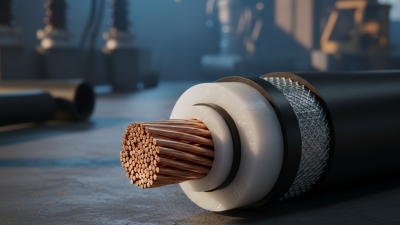
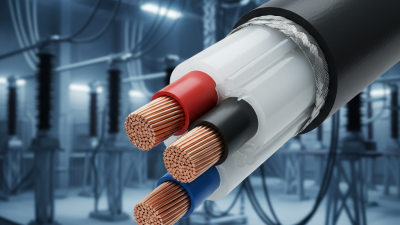
XLPE cable insulation, or cross-linked polyethylene, plays a crucial role in various projects. It offers outstanding electrical properties, making it suitable for high-voltage applications. The material is known for its high resistance to heat, moisture, and chemical stress. This durability is essential in environments where cables face harsh conditions, like underground settings or industrial areas. Proper insulation ensures safety and reliability in electrical systems.
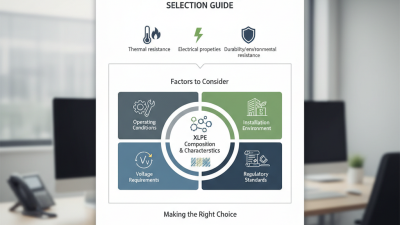
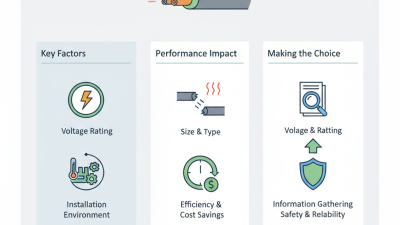
When selecting XLPE insulation, consider specific project needs. Not all XLPE cables are created equal. Factors such as voltage rating, application environment, and mechanical stress should influence your choice. It’s vital to reflect on previous experiences and the unique demands of your project. Sometimes, it's easy to overlook subtle details, which can lead to costly mistakes. Testing various options can provide valuable insights.
Environmental impact is another crucial aspect. While XLPE is generally considered safe, evaluating its lifecycle is necessary. This reflection often reveals areas for improvement. For example, consider the disposal methods at the project's end. Choosing sustainable solutions matters. XLPE insulation can be a reliable choice, but ongoing evaluation ensures that the selected materials align with both performance and ethical considerations.
2026 How to Choose XLPE Cable Insulation for Your Projects?
| Project Type |
XLPE Cable Thickness (mm) |
Temperature Rating (°C) |
Voltage Rating (kV) |
Environmental Rating |
| Residential Wiring |
1.5 |
90 |
0.6/1 |
Indoor |
| Commercial Buildings |
2.5 |
90 |
0.6/1 |
Indoor/Outdoor |
| Industrial Applications |
3.3 |
90 |
3.6/6 |
Outdoor/Waterproof |
| Utilities |
5.0 |
90 |
6/10 |
Direct Burial |
| Renewable Energy |
8.0 |
90 |
12/20 |
Outdoor/Sunlight Resistant |
Comparing XLPE Cable Insulation with Other Materials
When selecting insulation materials for XLPE cables, it is vital to understand the differences compared to other types. XLPE, or cross-linked polyethylene, is known for its excellent thermal properties. It can handle temperatures up to 90°C in continuous service, significantly higher than PVC, which typically only tolerates around 70°C. This property makes XLPE a preferred choice for challenging environments.
Moreover, XLPE exhibits superior resistance to environmental stress and water absorption. Studies have shown that XLPE cables can withstand harsh conditions better than rubber counterparts. According to the IEEE Standards Association, the lifespan of XLPE cables can exceed 40 years, making them a cost-effective long-term choice.
However, it is essential to consider the applications. For low-voltage installations, PVC is still widely used due to its cost-effectiveness and ease of handling. The choice between XLPE and other materials should depend on specific project needs. An analysis performed by the International Wire and Cable Show indicated that the initial investment in XLPE can be higher, but operating costs over time may favor its use.
Application Scenarios for XLPE Cable Insulation
When selecting XLPE cable insulation for different applications, understanding the environment is crucial. This insulation type excels in various settings, particularly in harsh conditions. It performs well in power lines, where temperature fluctuations are prevalent. Its resistance to moisture and chemicals makes it suitable for industrial environments. Many facilities choose XLPE for its durability and longevity.
In urban settings, where space is limited, XLPE's compact design allows for easy installation. It fits well into tight conduits, maximizing space efficiency. Solar energy systems frequently utilize this insulation due to its thermal properties. It withstands UV exposure, ensuring long-term reliability. However, its initial costs can be higher than alternatives, leading to budgeting concerns.
Transporting XLPE cables can be challenging, requiring careful handling. Some electrical engineers wish for easier installation methods. Misjudgments about the environment can lead to performance issues. Testing the insulation properties in real-world conditions often uncovers hidden weaknesses. Regular assessments and updates to installation practices can enhance performance.
Best Practices for Installation and Maintenance of XLPE Cables
When installing XLPE cables, adherence to best practices ensures optimal performance. According to industry data, proper installation can enhance the lifespan of these cables by up to 25%. The right techniques can mitigate issues such as moisture ingress and mechanical stress, which are common causes of failure.
One key tip is to maintain proper clearance and bend radius during installation. Excessive bending may lead to insulation failure. Additionally, ensure the cable is free from contaminants. Dirt and moisture can compromise electrical insulation. Regular visual inspections post-installation can catch early signs of wear.
Remember that maintenance is as critical as installation. Routine testing of XLPE cables for potential insulation deterioration can prevent unexpected outages. Studies show that proactive maintenance reduces operational costs by around 20%. Having a qualified technician perform these checks can significantly improve reliability. Proper training for the installation team is crucial; gaps in knowledge can lead to costly mistakes.