2026 How to Install Home Wire Safely and Efficiently?
When it comes to installing home wire, safety and efficiency are crucial. Expert electrician John Reed emphasizes, "Proper installation is key to a safe home." If not handled correctly, wiring can lead to serious hazards such as fires or electrical shock. Many homeowners overlook the importance of following guidelines and safety protocols.
The process involves understanding local codes and using the right materials. Choosing the wrong wire can have dire consequences. It's easy to make mistakes, especially for DIY enthusiasts who underestimate the complexity of the task. Small errors during installation can lead to significant safety risks later on.
Ensuring that all connections are secure requires attention to detail. Even a slight oversight can cause an overload. The importance of double-checking your work cannot be overstated. As you embark on this task, remember that the goal is to create a safe and efficient electrical system within your home. Taking the time to do it right pays off in the long run.
Understanding Home Wiring Basics and Safety Precautions
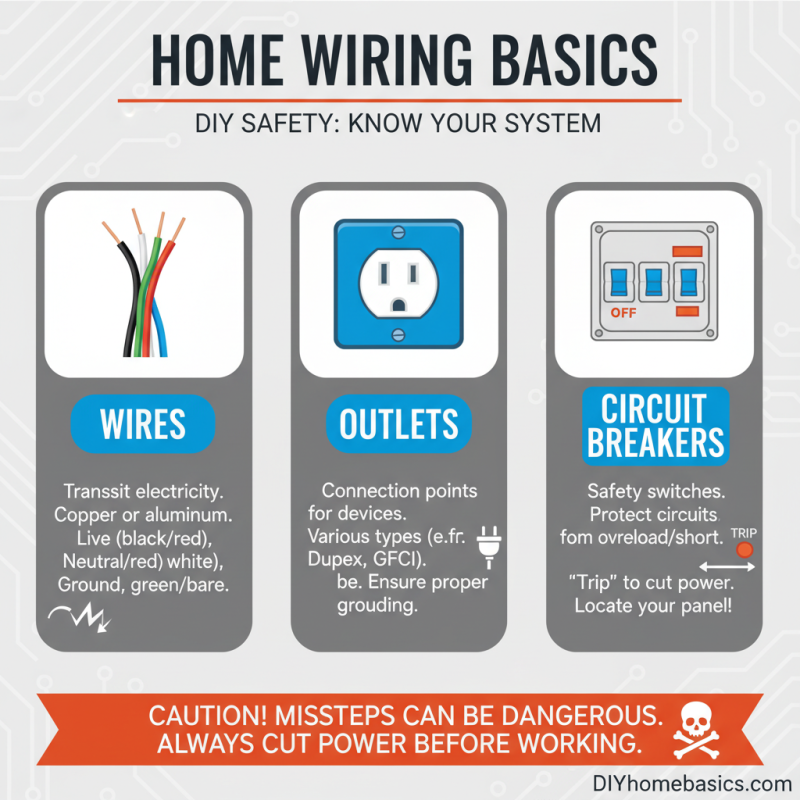
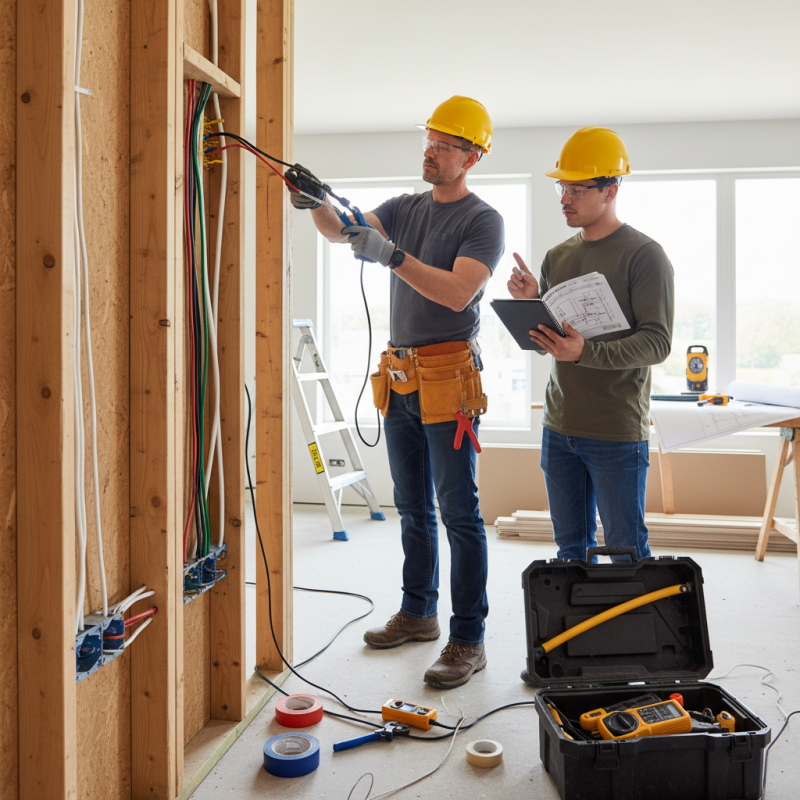
Understanding home wiring basics is crucial for any DIY project. Proper knowledge can prevent hazards. Begin by recognizing the main components of home wiring: wires, outlets, and circuit breakers. Each plays a vital role in a home's electrical system. A misstep here could lead to dangerous outcomes.
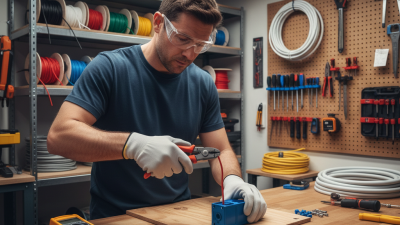
Safety precautions are equally important. Always turn off the power before starting any wiring task. Use the right tools and equipment for each job. It’s easy to overlook details. Double-check connections and ensure they are secure. Insulation should cover exposed wires to prevent shocks. Sometimes, the simplest mistakes cause the biggest problems.
Wiring isn't just technical; it requires patience and care. Rushing can lead to costly errors or worse. Take your time to understand each step. If unsure about a task, consult a professional. Reflect on your work, and keep learning. Mistakes are part of the journey but can also be avoided with attention to detail.
Gathering the Necessary Tools and Materials for Installation
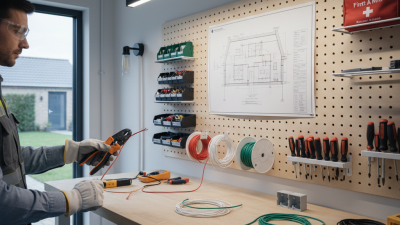
When installing home wire, having the right tools and materials is crucial. Start by obtaining wire cutters and strippers. These tools will help you cut and prepare the wires efficiently. A good pair of pliers is also essential. They allow you to bend and twist wire connections securely.
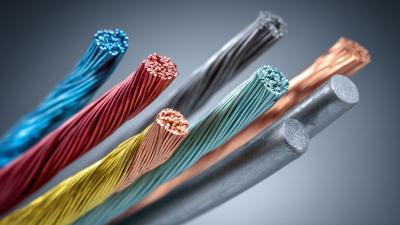
Next, ensure you have the right type of wire for your project. Different applications require specific wire gauges. You might need electrical tape and wire connectors as well. Both are necessary for safe and effective installations. Consider getting a voltage tester. It ensures power is off before you begin working.
Remember, safety should always come first. Double-check your tools and materials before starting. It’s easy to overlook a missing item. If you find something amiss, take a moment to regroup. Even experienced DIYers make mistakes. Don't rush, and prioritize quality work over speed.
Preparing Your Home for Safe Wire Installation
Preparing your home for safe wire installation is crucial. According to the National Fire Protection Association, electrical failures are a leading cause of home fires. Ensuring your home’s wiring is done correctly can prevent these tragedies. Proper preparation begins with understanding your home’s layout. Assess where the wiring will run. This helps avoid hazards during installation. Checking local codes is essential. Each area has specific regulations regarding wiring. Ignoring these can lead to unsafe conditions.
Before you start, gather the right tools. A wire cutter, electrical tape, and a voltage tester are necessary. Using these tools reduces the chance of mistakes. Remember, mistakes can be costly and dangerous. Statistics reveal that over 30% of DIY wiring projects have issues later on. It’s vital to know your limits. If unsure, consulting a professional can save time and money. Poor installations can lead to short circuits or other significant problems. Prepare well, and your wiring project may become a success.
2026 How to Install Home Wire Safely and Efficiently? - Preparing Your Home for Safe Wire Installation
| Aspect |
Details |
| Preparation |
Ensure tools and materials are ready, including cables, connectors, and safety gear. |
| Safety Gear |
Wear gloves, goggles, and use insulated tools to prevent electrical shock. |
| Circuit Inspection |
Check existing circuits for overload and wear before new installations. |
| Wire Types |
Understand the different types of wires (e.g., NM cable, UF cable) and select based on application. |
| Installation Method |
Follow proper procedures: route wires through walls, use conduit where necessary, and ensure cable is secured. |
| Final Checks |
Test installations before finalizing connections to ensure proper functionality. |
| Code Compliance |
Ensure all work meets local electrical codes and regulations for safety. |
Step-by-Step Guide to Installing Different Types of Wiring
Installing home wiring can seem daunting. Yet, with the right approach, it becomes manageable. Begin by selecting the appropriate wiring type. Different areas of your home may require distinct wire – for example, indoor wiring differs from outdoor wiring. Ensure your area’s building codes are observed. This guarantees safety and compliance with regulations.
Before you start, gather tools like wire strippers, connectors, and electrical tape. Marking the installation path can help. Be meticulous with your measurements. Accurate cutting is essential. Faulty connections can lead to problems later. Remember, not all wires are the same. Some are better suited for specific tasks than others.
As you move forward, take your time. Rushing can lead to mistakes. Safety is paramount. Always turn off the power before working on wiring. Test your installation after completion. Check for any exposed wires. Look for signs of wear or damage. Regular inspection ensures longevity and safety. A hasty job today may lead to issues tomorrow.
Types of Home Wiring and Their Installation Difficulty
Testing Installed Wiring for Safety and Functionality
Testing installed wiring for safety and functionality is crucial in any home wiring project. According to the National Fire Protection Association (NFPA), electrical failures cause 25% of all home structure fires. Thus, ensuring that wiring is correctly installed is essential for preventing hazards. Begin by checking all connections, ensuring they are tight and free from corrosion. A loose connection can be a potential fire hazard.
Tip: Use a multimeter to measure voltage and check for any irregular readings. Inconsistent voltage can indicate issues that need immediate attention. Inspect for damaged insulation, which can lead to short circuits. If insulation shows wear, replace the wiring promptly.
After installation, it’s critical to conduct a load test. This test confirms that the wiring can handle the demands of the appliances. Overloading simple circuits may lead to overheating. Fire safety guidelines suggest having a professional inspect the wiring if uncertainties persist. It’s wise to reflect on mistakes made during installation—perhaps overlooking grounding or circuit breaker sizing. Learn from these errors to ensure a safer home.