What is Three Phase Armoured Cable Benefits and Applications?
The Three Phase Armoured Cable is a vital component in electrical installations. Its robust design offers several advantages. It is ideal for high-power applications. With three conductors, it ensures effective power distribution and reliability.
These cables are well-suited for industrial settings. Their armoured construction protects against mechanical damage, moisture, and chemical exposure. This durability enhances safety in demanding environments. In power plants, factories, and commercial buildings, Three Phase Armoured Cables deliver exceptional performance.
However, not all installations require such heavy-duty solutions. It's important to assess specific needs before choosing this type. While they offer significant benefits, costs can be higher compared to standard cables. Thus, understanding the application context is essential to making an informed choice.
What is Three Phase Armoured Cable?
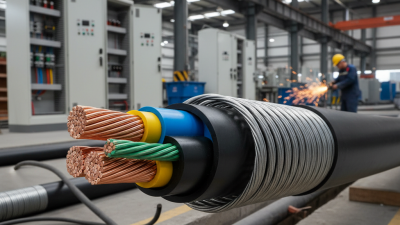
Three-phase armoured cable is essential in industrial and commercial electrical applications. This type of cable consists of three conductors, typically copper or aluminum, enclosed in a protective layer of steel wire or other tough materials. The armouring provides durability and resistance to external mechanical stress. According to a report from the International Energy Agency, the increasing demand for electricity in urban areas drives the growth of such robust cabling solutions.
These cables are primarily used in power distribution networks where reliability is crucial. Their ability to carry large amounts of current makes them ideal for high-demand systems. Industries like manufacturing, construction, and mining frequently utilize three-phase armoured cables to ensure minimal power loss and heightened operational efficiency. The demand for such cables is predicted to increase by 8% per annum, as reported by a leading energy market analysis firm.
Three-phase armoured cables also face challenges. They can be more expensive than traditional wiring solutions. Installation may require specialized skills, making it less accessible for some smaller projects. However, their benefits often outweigh these drawbacks, especially in applications requiring heavy machinery and unyielding power supply. Being aware of both advantages and imperfections helps in making informed decisions in electrical system design.
Key Features and Components of Three Phase Armoured Cable
Three-phase armoured cables are crucial for efficient power distribution. They consist of three conductors and typically include a protective layer. This layer shields against mechanical damage and environmental factors. Various industry reports indicate that the armoured cables market is growing at a compound annual growth rate of 6% between 2021 and 2026. This growth highlights their importance in industrial applications.
The key features of three-phase armoured cables include their robust construction. The armouring, usually made of steel or aluminum, enhances durability. These cables can withstand harsh conditions and high temperatures. Their insulation materials are designed to prevent electrical leakage and ensure safety. A report from the International Energy Agency notes that reliable power transmission is essential in supporting modern infrastructure.
When selecting a three-phase armoured cable, consider the application's specific needs. Think about factors like environment and installation method. Adequate planning can prevent costly downtime. Proper installation techniques are also critical. Always follow local regulations to ensure compliance and safety standards. Investing in high-quality cables may seem costly initially, but it pays off with longevity and reduced maintenance in the long run.
Benefits and Applications of Three Phase Armoured Cable
This bar chart illustrates the distribution of applications for Three Phase Armoured Cables across various sectors. As shown, the commercial buildings sector utilizes the highest percentage, followed by industrial applications and renewable energy projects.
Benefits of Using Three Phase Armoured Cable in Industrial Settings
Three phase armoured cables offer significant advantages in industrial settings, particularly in their durability and safety features. These cables are designed to endure harsh environments, making them ideal for applications in manufacturing and heavy engineering. Research indicates that armoured cables can withstand mechanical stress and abrasion, which reduces the risk of failures that could lead to costly downtime.
The use of three phase armoured cables can improve energy efficiency. According to industry reports, companies that switch to these cables experience a 15% reduction in energy losses. This translates into substantial cost savings over time. Such cables also enhance safety by providing an additional layer of protection against electrical faults. For instance, in environments with high levels of vibration or movement, armoured cables remain intact and operational longer than traditional wires.
Moreover, installation flexibility is another benefit worth noting. These cables can be buried underground or installed above ground while maintaining performance. However, it's essential to ensure proper handling during installation. Mishandling can lead to insulation damage, which may compromise their effectiveness. Regular inspections and maintenance are crucial for longevity and performance. While the initial investment might be higher, the long-term benefits are clear in terms of reliability and reduced operational costs.
Applications of Three Phase Armoured Cable in Various Industries
Three-phase armoured cables are essential components in many industries. Their robust construction makes them ideal for environments where durability is crucial. These cables are widely used in manufacturing, mining, and construction. In these sectors, they handle high power loads and withstand harsh conditions.
In manufacturing, three-phase armoured cables support machinery and equipment. They deliver reliable energy for production lines. In mining, these cables are vital for powering drills and conveyor systems. Their resistance to physical damage ensures uninterrupted operation. Similarly, in construction, these cables facilitate temporary power supply to tools and machinery.
However, installing these cables can be challenging. Proper installation is crucial to maximize their lifespan and efficiency. Mistakes during installation can lead to costly repairs or downtime. Being aware of these potential pitfalls can help companies ensure better outcomes. Overall, the benefits of three-phase armoured cables are significant, but a thorough understanding is necessary for optimal use.
Industry Standards and Testing for Three Phase Armoured Cable Usage
Three phase armoured cables are crucial in various industrial applications. Their design ensures durability and protection against environmental factors. These cables meet stringent industry standards, making them reliable for heavy-duty use. They are commonly used in power distribution, mining, and construction.
Industry standards play a significant role in the usage of three phase armoured cables. Testing is vital to ensure compliance with these standards. During testing, cables are subjected to various conditions, including heat and mechanical stress. This process assesses their performance and longevity. It's essential for manufacturers to adhere to these benchmarks. Failure to do so can lead to serious safety hazards.
Despite their robust design, some users may overlook proper handling and installation guidelines. Incorrect practices can compromise cable integrity. Regular inspections and maintenance are often neglected but are necessary for optimal performance. Understanding these aspects is crucial for anyone working with three phase armoured cables. The goal should always be to enhance safety and reliability in electrical systems.
What is Three Phase Armoured Cable Benefits and Applications?
| Dimension |
Details |
| Voltage Rating |
Up to 600/1000V |
| Conductor Material |
Copper or Aluminum |
| Insulation Type |
XLPE or PVC |
| Applications |
Industrial, Commercial, and Residential Power Distribution |
| Benefits |
Durability, Resistance to Mechanical Damage, and Safety |
| Standards |
BS 5467, BS EN 50525 |
| Testing Methods |
Voltage test, Insulation resistance test, and Sheath integrity test |