2025 Top Household Wire Innovations You Need to Know
In recent years, the household wire industry has witnessed a surge in innovation, driven by advancements in technology and the growing demand for energy-efficient solutions. According to a report by Grand View Research, the global wire and cable market is expected to reach $351.5 billion by 2025, with household applications accounting for a significant portion of this growth. This trend underscores the importance of understanding the latest innovations in household wire technology, which have the potential to enhance safety, performance, and sustainability in our homes.
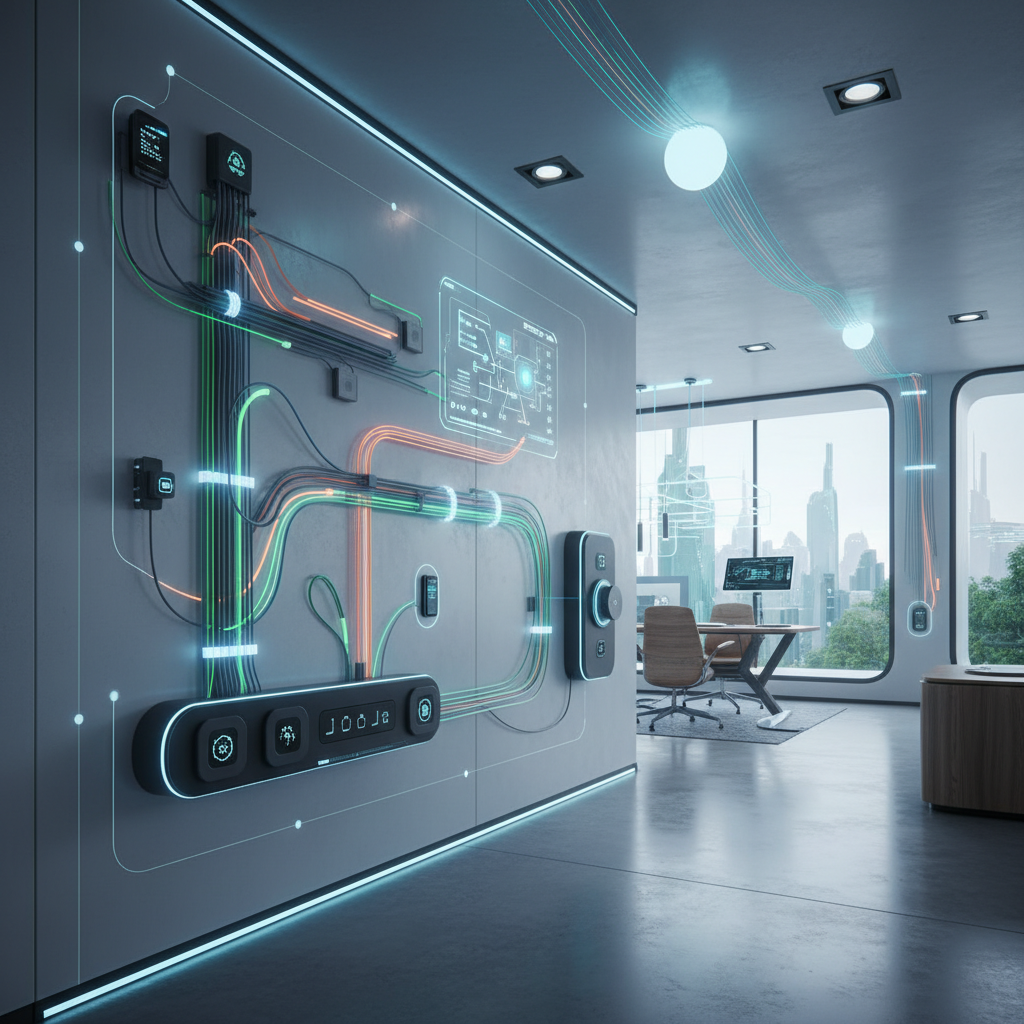
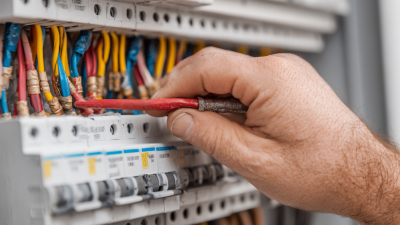
As we move towards a more connected world, the role of household wire is becoming increasingly critical. The integration of smart technologies and the emphasis on renewable energy solutions have pushed manufacturers to refine their offerings. Innovations such as low-voltage wiring systems, improved insulation materials, and fire-resistant cables are not merely trends; they are essential elements that contribute to the overall efficiency and safety of electrical systems in modern households. With these developments, homeowners can expect enhanced functionality and reduced risks associated with electrical installations.
Furthermore, recent studies indicate that consumers are becoming more aware of the environmental impacts of their choices, leading to a growing preference for sustainable household wire options. Industry leaders are recognizing this shift and are investing in the research and development of eco-friendly products that meet stringent safety standards while providing reliable performance. Understanding these advancements is crucial for homeowners and professionals alike, as they navigate the array of options available in the market today.
Emerging Wire Technologies Transforming Home Connectivity in 2025
In 2025, the landscape of home connectivity is set to be transformed by emerging wire technologies that promise to enhance our daily lives significantly. One of the most notable innovations is the development of ultra-thin conductive materials, which allow for greater flexibility and ease of installation in residential settings. These advancements enable homeowners to integrate wiring seamlessly into walls and furniture, essentially making the technology invisible while still providing robust performance for high-speed internet and smart home devices.
Additionally, advancements in power-over-wire technology are revolutionizing how we power our appliances and devices. This innovation allows a single wire to carry both data and electrical power, reducing the clutter of cables and simplifying the installation process. With the integration of smart wiring systems that utilize AI for adaptive energy management, households will not only experience improved efficiency but also greater control over their energy usage. As these technologies continue to evolve, they will redefine how we connect and interact with our homes, paving the way for a more streamlined and intelligent living environment.
Revolutionary Innovations in Smart Wiring for Energy Efficiency
As households increasingly prioritize energy efficiency, innovative smart wiring technologies are rising to the forefront. These advancements not only enhance the functionality of home electrical systems but also significantly reduce energy consumption. Smart wiring solutions equipped with advanced sensors and automation capabilities enable homeowners to monitor and manage their energy use in real-time. For instance, systems that can detect when rooms are unoccupied can automatically power down devices or adjust lighting levels, leading to considerable savings on energy bills.
Moreover, the integration of renewable energy sources into household wiring is transforming the residential energy landscape. Innovations such as smart circuit breakers and energy management systems facilitate seamless integration with solar panels and battery storage solutions. This allows homeowners to optimize their energy consumption, using solar energy when available and drawing from the grid only when necessary. The advancements in smart wiring are paving the way for a more sustainable future, empowering households to take control of their energy use and ultimately contribute to a greener planet.
2025 Top Household Wire Innovations
This chart illustrates the key innovations in smart wiring technologies that enhance energy efficiency in households for the year 2025. Each innovation is measured by its estimated energy savings percentage.
The Rise of Eco-Friendly Wires: Sustainable Options for Modern Homes
As the demand for sustainable living continues to rise, eco-friendly wires are becoming essential in modern homes. Recent studies from the
International Wire and Cable Association indicate that the global market for eco-friendly wiring solutions is expected to exceed
$3 billion by 2025, driven by both residential and commercial sectors seeking to reduce their carbon footprints. These sustainable options are
crafted from materials that minimize environmental impact, such as recycled copper and biodegradable plastics, ensuring a greener choice
without compromising quality and efficiency.
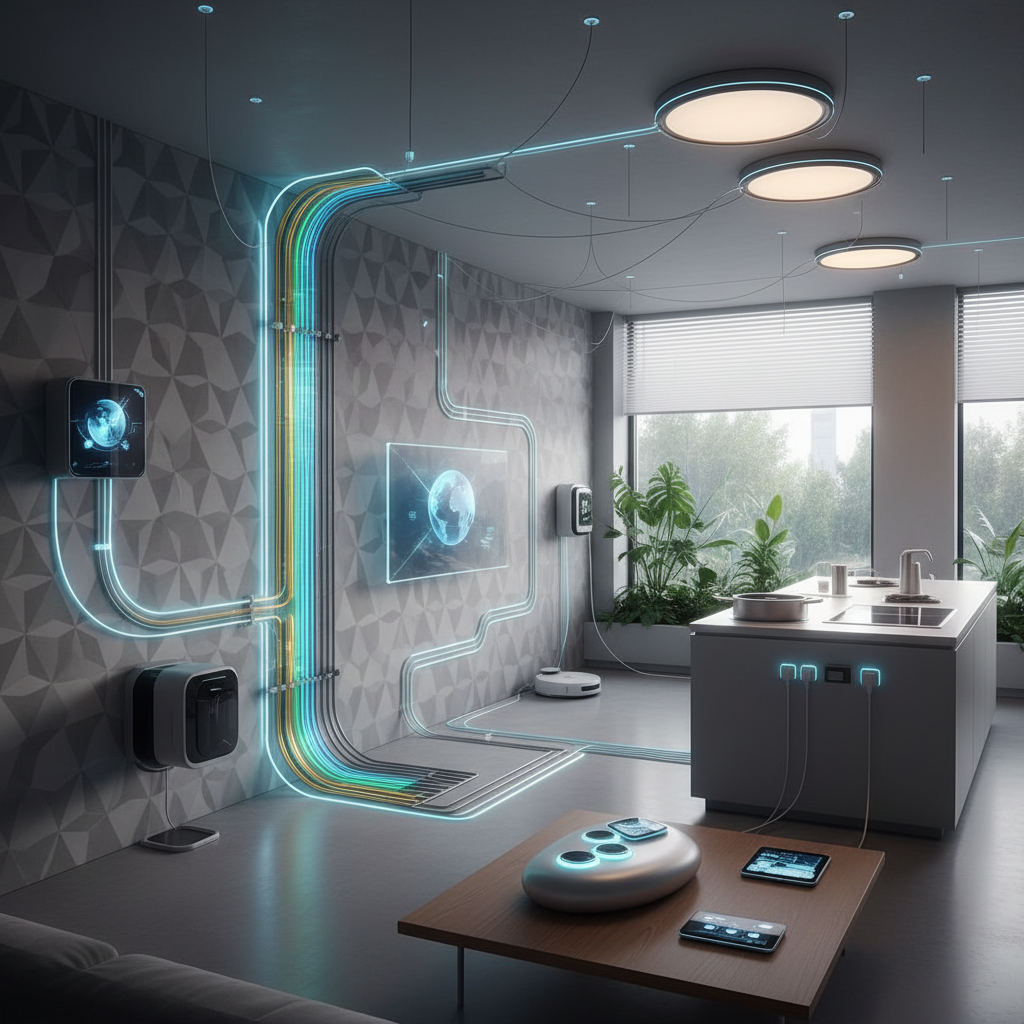
Moreover, advancements in technology have led to innovations in wire insulation. According to the
Green Building Council, wiring that employs non-toxic, low-VOC materials can significantly improve indoor air quality, making homes healthier for occupants.
The shift towards eco-friendly wires not only supports energy efficiency but also aligns with consumers' growing preference for environmentally responsible products.
Industry experts predict that as these sustainable solutions become more mainstream, we will likely see a reduction in energy consumption related to electrical systems in homes,
further highlighting the importance of integrating eco-friendly wiring in future household designs.
Enhancing Home Automation: The Impact of Next-Gen Wiring Solutions
As we move toward a more interconnected home environment, next-generation wiring solutions are set to revolutionize home automation. These innovations not only enhance connectivity but also significantly improve the efficiency and functionality of smart devices. With the rise of smart homes, it's crucial to choose wiring that supports high data transfer rates and low latency. This means opting for advanced materials and designs that ensure reliability and durability over time.
When planning for home automation, consider upgrading to smart wiring systems that can adapt to future technologies. Integrated wiring solutions can centralize control for lighting, heating, and security systems, making it easier to manage your home from a single interface.
Tip: Always consult with a professional electrician when upgrading your home’s wiring. They can help ensure that your setup meets safety standards and is optimized for the specific needs of your smart devices.
Another key consideration is the use of low-voltage wiring for devices like surveillance cameras and smart speakers. Not only does this minimize energy consumption, but it also reduces electrical interference, providing a more stable connection.
Tip: Look for wiring systems that offer built-in surge protection to protect your devices from power fluctuations. This foresight can extend the lifespan of your home automation equipment and maintain a seamless living experience.
Wireless Charging Wires: A Game-Changer for Household Convenience
As households continue to evolve with technology,
wireless charging wires have emerged as a pivotal innovation that enhances everyday convenience. Gone are the days when tangled cords cluttered our living spaces. Wireless charging wires offer a seamless solution for keeping devices powered without the hassle of traditional cables.
This technology enables users to simply place their devices on a designated charging pad, ensuring a clutter-free environment while keeping devices charged and ready for use.
Tips for Maximizing Your Wireless Charging Experience:
- Ensure your device is compatible with wireless charging to make the most of this technology.
- Place your charging pad in a central location within your home, such as a living room or bedroom, to easily access it for all your devices.
- Avoid overloading your charging pad with too many devices at once; this can slow down the charging process and may reduce the efficiency of your setup.
Incorporating wireless charging wires not only simplifies your charging routine but also aligns with the
modern aesthetic of minimalistic living. As these innovations continue to develop,
we can expect even greater integration of functionality and design, making our homes smarter and more efficient.