Exploring the Versatility of Flexible Cable Wire: Industry Insights and 2023 Trends in Electrical Applications
The electric wire and cable market has witnessed significant evolution in recent years, particularly in the realm of
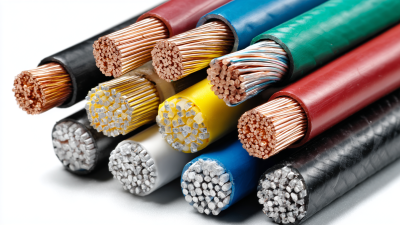
Flexible Cable Wire, which has become a critical component across various industries,
including construction, automotive, and
renewable energy. According to a report by Fortune Business Insights, the
global market for electrical cables is expected to reach $262.5 billion by 2028,
growing at a CAGR of 6.5% from 2021 to 2028. This growth is largely driven by the increased demand
for lightweight and adaptable wiring solutions that ensure durability and
efficiency in diverse applications. As we explore the versatility of Flexible Cable Wire in 2023, industry experts
point to advancements in materials and manufacturing processes that enhance performance while reducing
environmental impact. This ongoing innovation not only broadens the application spectrum of flexible wire but
also aligns with the growing emphasis on sustainability in electrical infrastructure development.
Versatile Applications of Flexible Cable Wire in Modern Industries
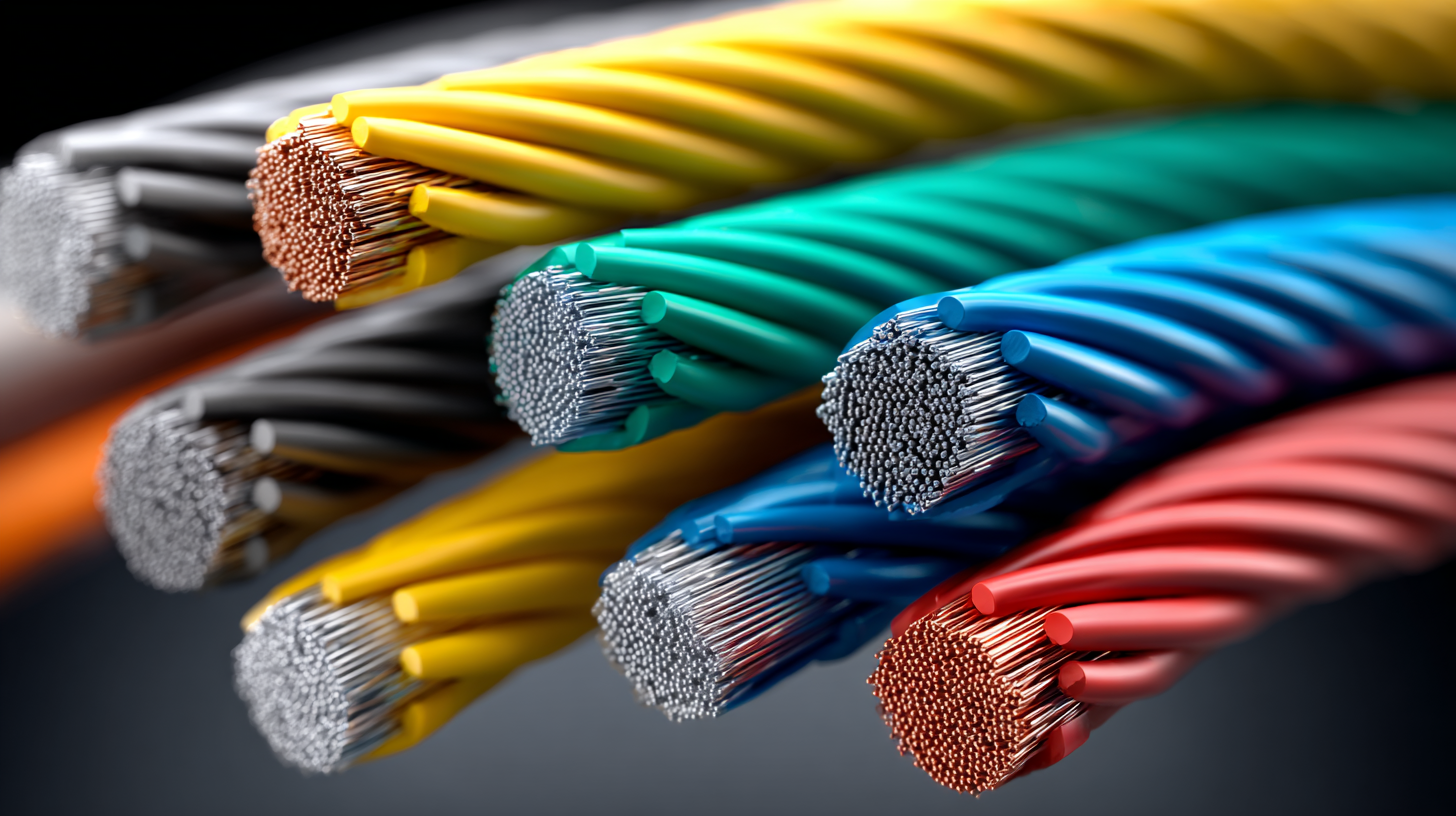
Flexible cable wire has emerged as an indispensable component across diverse modern industries, due to its adaptability and efficiency. In sectors such as automotive, aerospace, and telecommunications, flexible cables are preferred for their ability to withstand dynamic movements and vibrations, ensuring reliability in demanding environments. As manufacturing processes evolve, the need for innovative electrical solutions has driven the development of advanced flexible cable designs that cater to specific application needs, such as lightweight construction and enhanced thermal resilience.
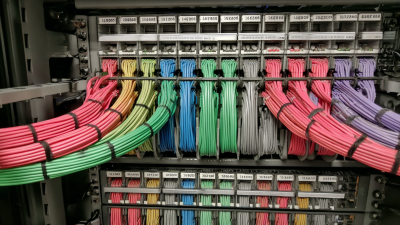
In the realm of renewable energy, flexible cable wire plays a crucial role in solar panel installations and wind energy systems. Its ability to maintain performance under fluctuating environmental conditions makes it ideal for connecting components in unpredictable settings. Furthermore, developments in smart technologies have increased the use of flexible cables in smart home devices and IoT applications, where compact and efficient wiring systems are critical. As we move through 2023, the versatility of flexible cable wire continues to influence electrical applications, highlighting its importance in driving efficiency and innovation across various sectors.
Key Trends Shaping the Future of Electrical Wiring Solutions in 2023
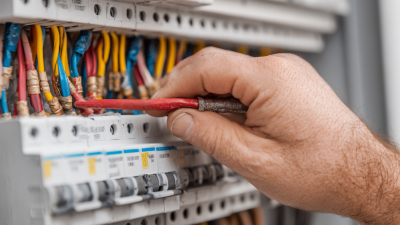
The landscape of electrical wiring solutions is undergoing a substantial transformation in 2023, driven by the growing demand for energy-efficient solutions and advancements in smart home technologies. According to industry reports, the electrical switch market in the United States is projected to witness robust growth, fueled by significant investments in infrastructure and the push for sustainable initiatives by governmental bodies. This shift towards greener technologies underscores a critical trend in the industry, highlighting the importance of flexible cable wire in meeting these emerging demands.
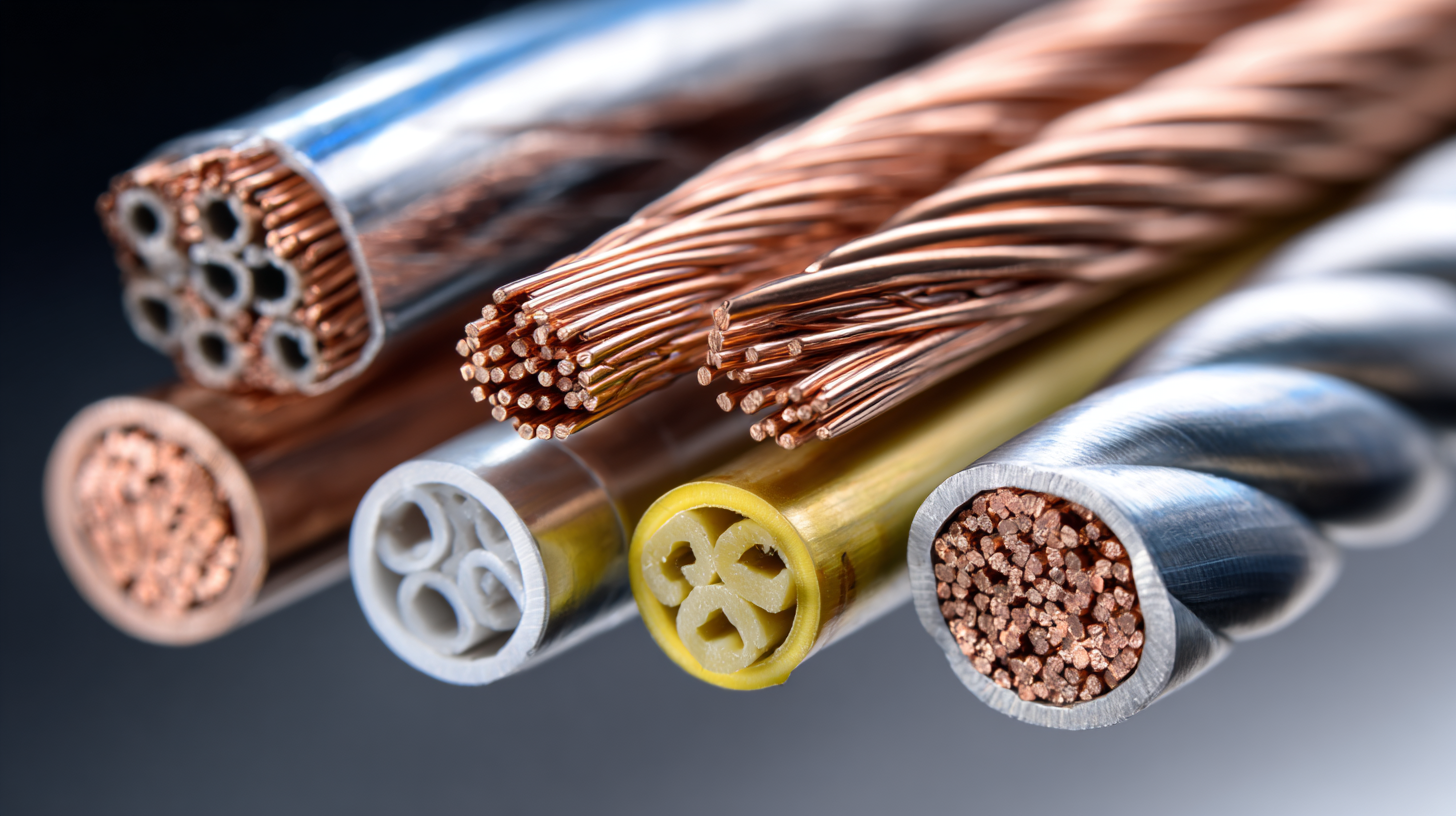
Moreover, the electrical equipment testing industry in China is anticipated to experience significant expansion, with market size reaching 22.42 billion yuan in 2023, up from 20.61 billion yuan in 2022. Analysts predict that by 2024, this figure will exceed 25 billion yuan, driven by industry shifts towards smart solutions, service enhancements, and a green transformation. These trends reflect a broader move across the electrical application spectrum, where the emphasis on innovative and adaptable wiring solutions aligns with a commitment to sustainability and efficiency in future electrical infrastructure development.
Innovative Materials Enhancing the Performance of Flexible Cable Wire
The advancements in cable materials are crucial to enhancing the performance of flexible cable wire in various electrical applications. As the global wire and cable materials market is projected to grow significantly from $173.52 billion in 2025 to $244.44 billion by 2032, it underscores the industry's increasing reliance on innovative solutions. Advanced materials not only improve conductivity and insulation but also contribute to essential attributes like fire safety and processing efficiency.
Tips: When selecting flexible cable wire for specific applications, consider the environment in which it will be used. Look for cables that offer enhanced thermal resistance, especially in high-temperature settings. Additionally, prioritize materials that ensure excellent insulation properties to optimize safety and performance.
The introduction of novel materials, such as high-purity carbon nanotubes, is redefining efficiency standards in electric motor applications. These innovations eliminate the need for traditional metals, yielding lighter and more efficient components. As we move towards more sustainable and effective solutions, understanding the benefits of these advanced cable materials will be pivotal for professionals in the electrical industry.
Tips: Always evaluate the specifications of advanced cable materials to ensure they meet the required electrical standards. Engage with suppliers who are committed to ongoing research and development to stay updated on the latest trends and technologies.
Comparative Analysis of Flexible Cable Wire Types and Their Uses
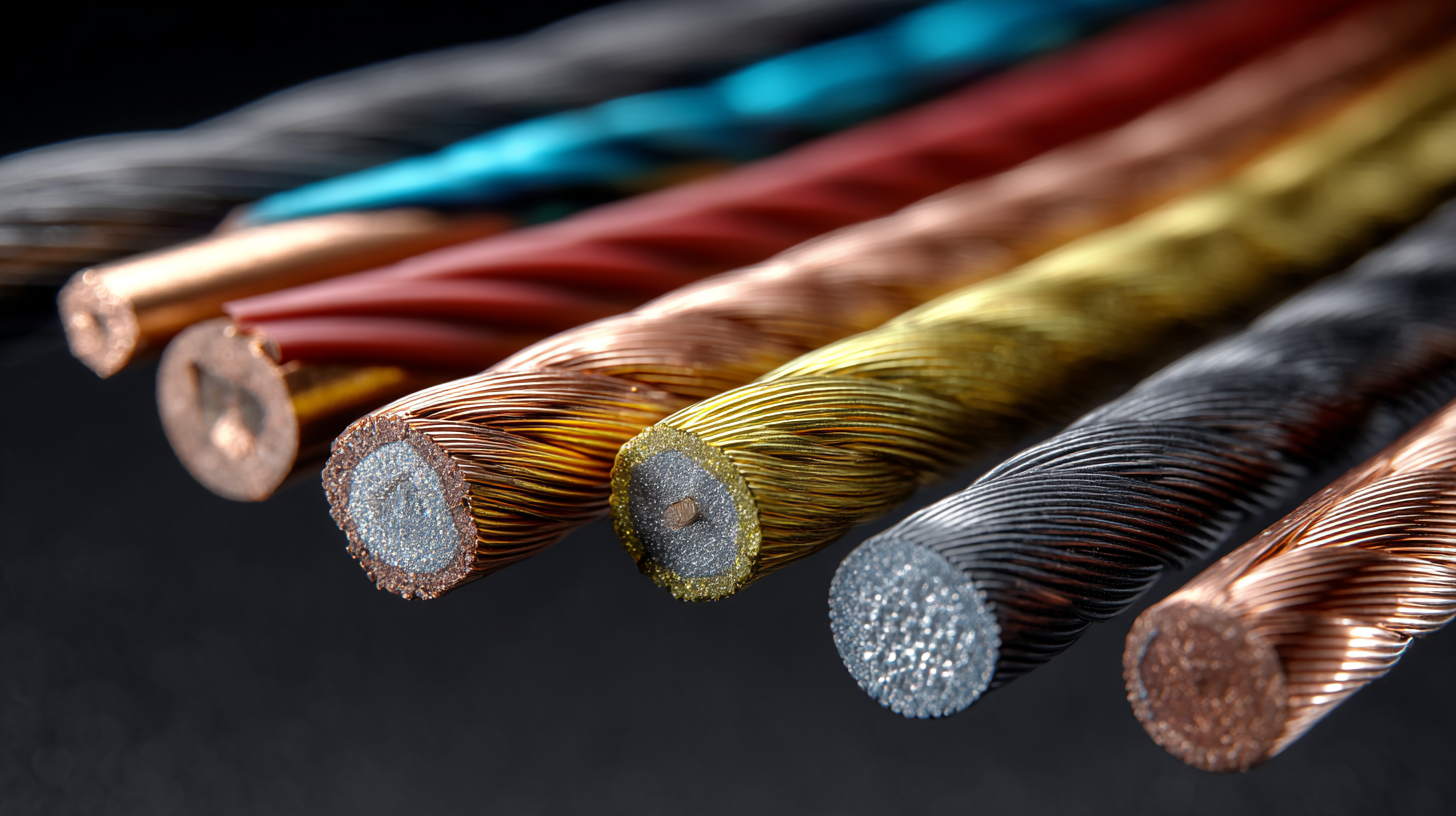
The versatility of flexible cable wire has become increasingly evident across various industries, demonstrating significant growth and adoption in electrical applications. A comparative analysis of different flexible cable wire types reveals that each variant offers unique benefits tailored to specific operational needs. For instance, versatile designs are crucial in the North American electrical conduit market, which is projected to reach a valuation of $1.74 billion by 2024, with expectations of rising to $2.24 billion by 2032. This growth trajectory highlights the increasing dependency on flexible cable solutions, particularly in complex electrical installations.
In the healthcare sector, the demand for medical ultrasonic cables reflects a strong market trend. The global market for these specialized cables is anticipated to be valued at $1.17 billion in 2025 and is predicted to soar to $2.28 billion by 2033, showcasing a CAGR of 6.5%. This surge underscores the essential role of flexible cables in facilitating advanced medical technologies and procedures, where reliability and performance are paramount. Similarly, the active cable market (AEC), valued at $834 million in 2022, is set to expand to $1.21 billion by 2030, further indicating the growing preference for high-performance flexible wire options in a wide array of applications.
Exploring the Versatility of Flexible Cable Wire in 2023
Challenges and Solutions in the Flexible Cable Wire Manufacturing Process
The manufacturing process of flexible cable wire faces several challenges, particularly as the industry shifts towards more sustainable and environmentally friendly practices. With the growing demand for renewable energy sources, such as solar, wind, and hydropower, the need for high-performance flexible cables is becoming increasingly critical. According to recent market insights, the wire and cable market is projected to experience significant growth, estimated to reach a value of over $200 billion by 2033, driven by advancements in electric wire applications and the growing emphasis on sustainable electrical infrastructure.
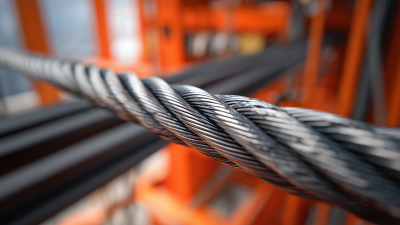
Dynamic cables also play a crucial role in modern renewable energy projects, particularly in offshore installations where they serve as robust connections for wind farms and other energy sources. These cables must have durability and flexibility to withstand harsh oceanic conditions, highlighting the need for innovation in manufacturing techniques to enhance their performance and longevity. Industry leaders are focusing on developing low environmental impact products, incorporating recycled materials and energy-efficient production methods to meet the rising standards of sustainability and regulatory compliance.
Exploring the Versatility of Flexible Cable Wire: Industry Insights and 2023 Trends in Electrical Applications - Challenges and Solutions in the Flexible Cable Wire Manufacturing Process
| Application Area |
Wire Type |
Material |
Challenges |
Solutions |
2023 Trends |
| Automotive |
Flexible Copper Wire |
Copper |
High temperature resistance |
Use of heat-resistant insulation |
Increase in electric vehicle applications |
| Aerospace |
Multi-core Signal Cable |
Aluminum |
Weight reduction requirements |
Use of lightweight materials |
Focus on integration with advanced avionics |
| Industrial Automation |
Flexible Control Cable |
PVC-coated Copper |
Abrasion resistance |
Improved insulation technology |
Trend towards smart factories |
| Consumer Electronics |
USB Type-C Cable |
Tin-coated Copper |
Connector durability |
Enhanced connector design |
Growth in fast-charging technology |
| Telecommunications |
Flexible Fiber Optic Cable |
Glass |
Fragility during installation |
Use of protective coatings |
Expansion of 5G networks |