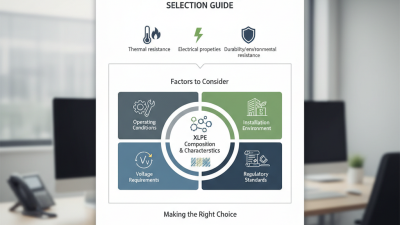
The importance of XLPE cable insulation cannot be overstated in today's electrical landscape. This insulation type offers numerous advantages for buyers across the globe. Its robust properties make it ideal for various applications, from residential to industrial sectors.
XLPE cable insulation provides outstanding thermal resistance. It also exhibits excellent chemical and mechanical stability, ensuring long-term performance. This durability reduces the frequency of replacements, ultimately saving money. Moreover, its ability to withstand harsh environmental conditions enhances reliability.
Buyers should consider the specific benefits XLPE offers. While its upfront cost may be higher than alternatives, the total lifecycle cost can justify the investment. As technology evolves, understanding XLPE's advantages is crucial for making informed decisions.
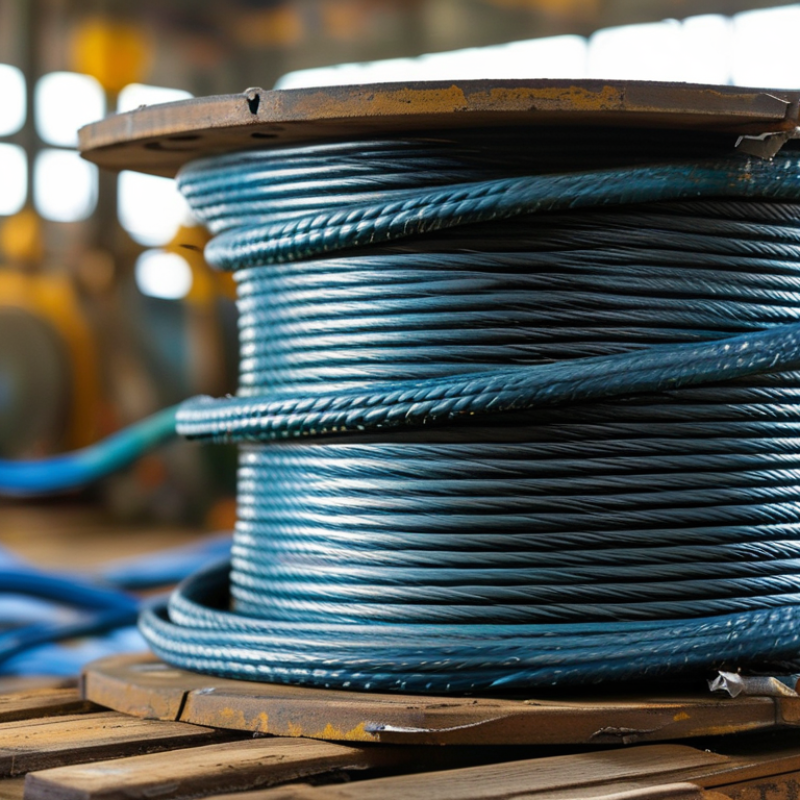
XLPE (cross-linked polyethylene) cable insulation is gaining traction in high-voltage applications due to its numerous advantages. Its superior thermal stability allows it to operate efficiently in extreme conditions. Industry data shows that XLPE cables can handle temperatures up to 90°C continuously, which is significant for utility companies and industries relying on consistent power supply.
Another key benefit is the cable’s excellent electrical performance. XLPE insulation has a high dielectric strength, providing better insulation compared to traditional materials. According to the International Electrotechnical Commission, XLPE cables maintain lower dielectric losses of about 0.01% at high voltage levels. This reduces energy waste, making it a cost-effective option for long-distance power transmission.
While XLPE cable insulation is robust, challenges exist. Installation must be carefully managed to avoid damage. Improper fittings can undermine its advantages. Environmental factors like moisture can also impact performance. Understanding these risks is crucial for engineers and buyers alike. Regular inspections and adherence to installation guidelines remain essential for maximizing the benefits of XLPE insulation in high-voltage applications.
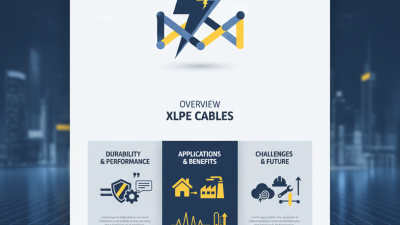
XLPE cable insulation offers remarkable thermal stability. This feature significantly enhances the cable’s longevity. Thermal stability prevents overheating, which is crucial for maintaining performance. These cables can withstand high temperatures and exposure to various environmental conditions. As a result, they are ideal for both indoor and outdoor applications.
The longevity of XLPE cables can be observed in various installations. They have a proven track record in power distribution networks. However, potential buyers should consider installation conditions. Improper installation can negate the benefits of thermal stability. Factors such as moisture, stress, and physical damage also play a role. A focus on proper handling and installation practices is mandatory for optimal performance.
Moreover, thermal stability influences the overall insulation integrity. This helps in minimizing energy losses during operation. Yet, some users may overlook the importance of periodic maintenance. Regular inspections can identify potential weaknesses before they become a problem. Thus, understanding thermal stability in XLPE cables is key for anyone invested in reliable electrical infrastructure.
| Benefit | Description | Impact on Longevity | Impact on Performance |
|---|---|---|---|
| Thermal Stability | Resilience to high operating temperatures | Increases lifespan of the cable | Reduces risk of thermal failure |
| Chemical Resistance | Ability to withstand oils and solvents | Prevents degradation in harsh environments | Maintains electrical integrity |
| High Dielectric Strength | Superior insulation properties | Enhances long-term reliability | Improves conductivity and reduces losses |
| UV Resistance | Protection against sunlight degradation | Extends outdoor application lifespan | Maintains performance in outdoor settings |
| Moisture Resistance | Prevention of water ingress | Reduces corrosion and short circuit risks | Ensures consistent electrical performance |
| Mechanical Strength | Robust physical durability | Prevents failure due to physical stress | Maintains integrity under load |
| Flame Retardancy | Reduced flame spread properties | Improves safety in hazardous environments | Protects operational reliability |
| Low Smoke Emission | Minimal toxic smoke production | Enhances safety in enclosed spaces | Protects environment and personnel |
| Environmentally Friendly | Recyclable materials used | Promotes sustainability | Meets regulatory requirements |
| Cost Efficiency | Reduced maintenance costs | Increases overall ROI | Enhances operational efficiency |
XLPE cable insulation exhibits remarkable chemical resistance, making it an ideal choice for various applications. Unlike traditional insulation materials, XLPE withstands exposure to numerous chemicals without degrading. This characteristic is vital for industries dealing with corrosive substances, such as chemicals and oil. In environments where insulation durability is paramount, XLPE shows lower failure rates than its competitors.
A comparative analysis with other insulation types reveals significant advantages. PVC may be less expensive but tends to break down in harsh conditions. Rubber insulation can be flexible but may not resist certain chemicals effectively. In contrast, XLPE’s cross-linked structure provides enhanced stability. There are limitations, though; prolonged exposure to some solvents can impact XLPE’s performance.
Selecting the right insulation is crucial. Buyers often overlook the long-term implications of chemical exposure on materials. Investing in XLPE can mitigate future risks, reducing maintenance costs and enhancing operational safety. However, it's essential to assess specific applications and environmental factors carefully. Each project must consider the unique challenges it faces with insulation materials.
XLPE (Cross-Linked Polyethylene) cable insulation has gained attention due to its environmental benefits. The shift toward sustainable materials is essential in today's cable industry. XLPE offers significant recyclability, making it a suitable choice for eco-conscious buyers. Reports indicate that up to 95% of XLPE materials can be recycled. This recycling capability contributes to reducing landfill waste and conserving raw materials.
Sustainability extends beyond recyclability. The production of XLPE cables utilizes less energy compared to traditional insulation materials like PVC. A study by the International Energy Agency noted that energy consumption in the plastics sector represents 3-4% of global CO2 emissions. Choosing XLPE can help mitigate this impact. Moreover, XLPE demonstrates good thermal stability and chemical resistance, leading to a longer lifespan. This durability minimizes the need for frequent replacements.
However, challenges exist in recycling processes. Not all facilities are equipped to handle XLPE, limiting its recyclability in certain areas. Buyers must assess local infrastructure to ensure that their sustainable choices align with available recycling options. While XLPE stands out for sustainability, understanding the complete life cycle remains crucial for informed decisions.
XLPE cables, or cross-linked polyethylene cables, present numerous economic benefits that appeal to global buyers. Their durable insulation offers a longer lifespan compared to traditional materials. This longevity results in reduced replacement costs. Energy infrastructure can then focus funds on upgrades and innovations instead of constant repairs.
Moreover, XLPE cables boast higher thermal resistance. This quality enables them to handle higher operating temperatures. As a result, they perform reliably in various climates. The cables are also resistant to moisture and chemicals. This resistance leads to lower maintenance needs, saving on costly downtime.
Investing in XLPE cables often yields immediate savings. Though their initial cost may be higher, the total lifecycle cost is frequently lower. Companies need to weigh these factors carefully. Evaluating long-term expenditure against initial investment often leads to reflection. The choice is not always clear-cut. That said, XLPE cables could significantly enhance the efficiency of energy systems worldwide.