2026 Best Four Core Wire Options for Your Electrical Needs?
In the fast-evolving world of electrical installations, selecting the right components is crucial. Four Core Wire options have gained prominence due to their versatility and efficiency in managing electrical loads. According to recent market analysis, the demand for Four Core Wire is projected to rise by 15% annually through 2026. This trend reflects advancements in technology and increasing complexity in various applications.
The Four Core Wire provides multiple conductors in a single cable, enabling efficient energy distribution. It supports a range of systems, from residential wiring to industrial machinery. Reports indicate that these wires can reduce installation time and minimize space requirements. However, not all Four Core Wires are created equal; some may not meet the stringent safety codes or performance standards. This highlights the importance of choosing reliable, certified products.
Making an informed decision requires careful consideration of factors like insulation type and conductor material. Engaging with industry professionals can provide valuable insights into the best options available. Ultimately, understanding the specifications and applications of Four Core Wire will empower users to meet their unique electrical needs effectively.
2026 Overview of Core Wire Types and Their Applications in Electrical Systems
Choosing the right core wire for electrical systems is crucial. In 2026, various options are available, each suited for specific applications. Understanding these types can enhance system reliability and efficiency.
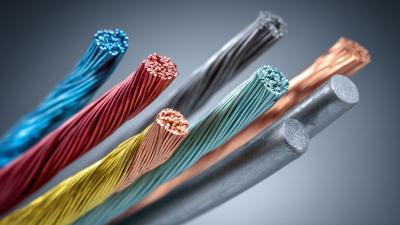
Copper and aluminum remain the top choices for core wire. Copper wires offer high conductivity and durability. They are often used in residential wiring and electrical appliances. Aluminum wires, while lighter and more cost-effective, can be less efficient. They can work well in overhead power lines and larger installations.
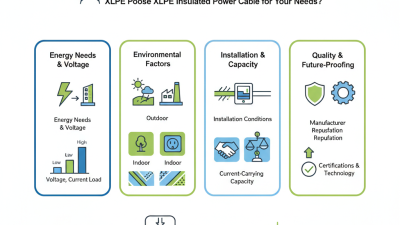
Tip: Conduct a detailed analysis of your electrical needs before selecting a wire type. Factors like environment and voltage play a significant role.
Another option is the use of multi-stranded wires. These are flexible and easier to install, making them ideal for complex applications. However, they may not provide the same level of conductivity as solid core wires. Choose based on your specific project's demands.
Tip: Regularly inspect your wiring for wear or damage to maintain electrical safety. Upgrading older wiring can prevent hazards and improve efficiency.
2026 Best Four Core Wire Options for Your Electrical Needs
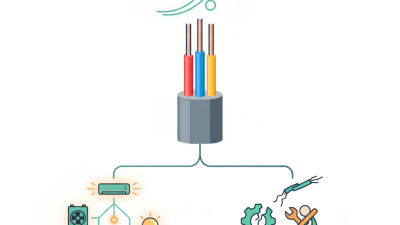
This chart illustrates the four main types of core wires utilized in electrical systems, highlighting their applications and average cost per meter. Understanding these options can help you choose the best wire for your electrical needs.
Key Specifications of Four Core Wire Options for Electrical Projects
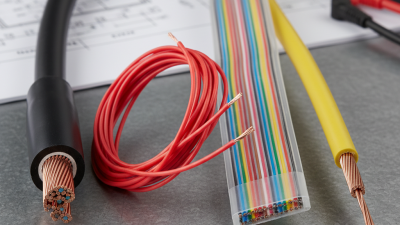
When choosing a four core wire for electrical projects, understanding key specifications is crucial. These wires typically consist of four insulated conductors. Their construction impacts performance and safety. Sizing varies, often rated in American Wire Gauge (AWG). The choice of gauge affects current load capacity. A thicker wire handles more current, while a thinner wire may overheat.
Insulation types also matter. Common materials include PVC and XLPE. PVC is cost-effective and suitable for indoor use. However, it has limitations regarding temperature and chemical resistance. XLPE offers better thermal properties. It's ideal for outdoor or industrial applications.
Conductors can be copper or aluminum, with copper being more conductive but also pricier.
It's important to consider installation environments. Humidity and temperature can influence wire lifespan. Use caution in high-temperature areas. Installation practices also impact wire performance. Poor connections lead to energy loss and potential hazards. Therefore, investing time in wire selection and installation is essential for a safe and efficient electrical system.
Comparative Analysis of Core Wire Conductivity and Insulation Ratings
When selecting core wires for electrical applications, conductivity and insulation ratings are crucial factors. Recent industry reports indicate that copper wires continue to outperform aluminum in terms of conductivity. Copper boasts a conductivity rating of about 60% higher than aluminum. This significant difference can lead to reduced energy loss, making copper a preferred choice for various high-performance applications.
Insulation ratings are equally essential. Various materials, such as PVC and XLPE, offer different heat resistance and durability levels. PVC typically withstands temperatures up to 75°C, while XLPE can handle up to 90°C or more. This disparity may impact long-term performance and safety in high-temperature environments. Different wiring applications can push insulation materials to their limits, revealing potential weaknesses. Poor insulation can lead to failures, possibly endangering safety.
Choosing the right wire isn’t just about conductivity and insulation. Factors like installation environment, overall cost, and system requirements also matter. Decisions based solely on initial cost can lead to unexpected issues later. Therefore, a comprehensive analysis of core wire options is vital for achieving optimal electrical system performance. Understanding these factors helps in making informed choices that align with specific electrical needs.
2026 Best Four Core Wire Options for Your Electrical Needs
| Wire Type |
Conductivity (S/m) |
Insulation Rating (°C) |
Max Voltage (V) |
Flexibility Rating |
| Copper |
5.8 x 10^7 |
90 |
600 |
High |
| Aluminum |
3.5 x 10^7 |
75 |
600 |
Moderate |
| Tinned Copper |
5.8 x 10^7 |
90 |
600 |
High |
| Silver-Plated Copper |
6.0 x 10^7 |
100 |
600 |
Very High |
Cost Efficiency and Lifespan of Popular Four Core Wire Solutions
When considering four core wire options for electrical needs, cost efficiency plays a critical role. According to a recent industry report, the average lifespan of quality four core wires ranges between 25 to 30 years. This longevity translates to lower long-term costs. For example, investing in wires that last longer minimizes the frequency of replacements. It also reduces labor costs associated with installation and maintenance.
Another factor is the material used in these wires. Copper wires, while often more expensive initially, have a better conductivity rate than aluminum. Industry data suggests copper wires can improve energy efficiency by up to 15%. However, aluminum is lightweight and generally cheaper upfront. A careful analysis is necessary to find the right balance between initial investment and future savings.
Users must also consider the environment in which these wires will be used. Temperature extremes can affect performance and lifespan. In harsher conditions, insulation quality becomes essential. Investing in higher quality insulation can significantly influence overall wire durability, despite a higher initial cost. This is an area where many clients often underestimate the need for investment. It presents an opportunity for potential failures if not addressed properly.
Industry Standards and Regulatory Compliance for Electrical Wiring Choices
When it comes to electrical wiring, industry standards are crucial. Electrical systems must adhere to established regulations for safety and efficiency. These standards ensure that wiring can handle required loads without risk of failure. Acknowledging compliance is vital for any project.
Various certifications exist to guide wire selection. This includes the National Electrical Code (NEC) in the U.S. Adhering to these guidelines protects users from hazards. Selecting the right wire can be daunting. The choices seem endless, each with unique attributes. Not all wiring options will meet specific needs.
Additionally, understanding local regulations is often overlooked. These rules can vary by state or region. Ignoring them can lead to serious issues. It's essential to stay informed. Electrical projects sometimes require permits or inspections. That's a step many try to skip, but it can save you from potential violations. The balance between cost and compliance is delicate but necessary.