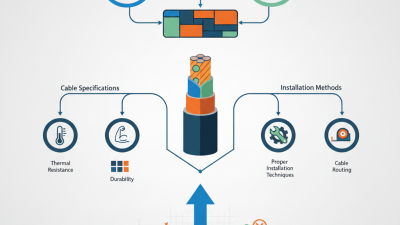
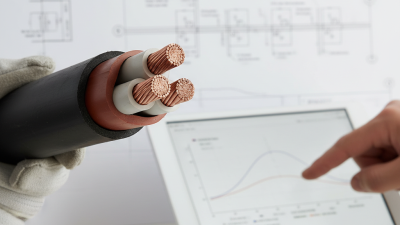
Top 10 Benefits of Using Direct Burial Wire for Your Projects
In the world of electrical projects, the right materials can make all the difference. "Direct Burial Wire" is one such material. It is specifically designed for underground installations, offering safety and reliability. According to industry expert David Lawson, “Using the right wire for underground applications is crucial for long-term success.” His words highlight the importance of choosing quality products.
Direct Burial Wire is coated for protection against moisture and soil acidity. This feature minimizes the risk of corrosion. Additionally, it ensures that electrical systems remain stable and functional. Many contractors prefer this wire for its durability and ease of installation. However, some may overlook the importance of proper connections and installation techniques. Neglecting these aspects can lead to costly repairs.
Even experienced professionals can encounter challenges with Direct Burial Wire. Understanding local codes and standards is essential. Adhering to these guidelines can prevent issues in the future. While Direct Burial Wire provides significant benefits, careful planning and execution are equally important for project success.
Understanding Direct Burial Wire and Its Applications
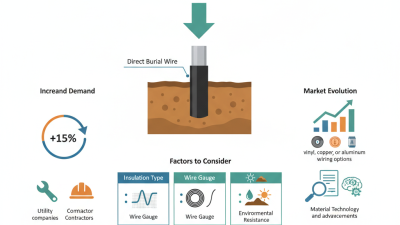
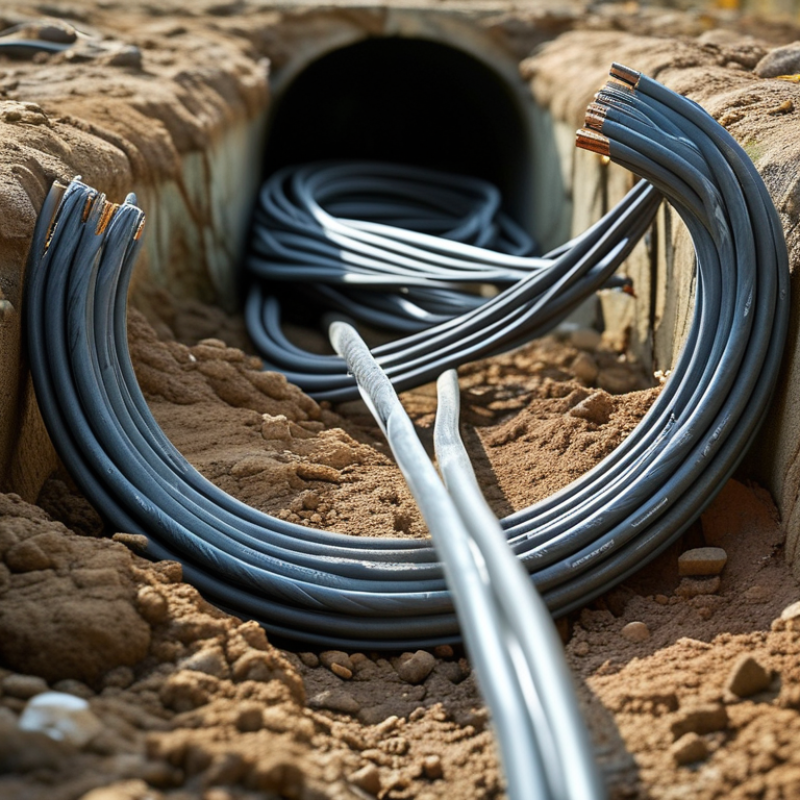
Direct burial wire is designed for underground use. It is specially insulated to withstand moisture and soil conditions. This makes it suitable for various applications, from landscaping to utility power. Studies indicate that using direct burial wire can decrease installation time by up to 30%, providing efficiency and lowering labor costs.
Professionals emphasize knowledge of local codes when using this type of wire. Some regions have specific regulations regarding depth and protection methods. This variability requires careful planning and execution. While direct burial wire is durable, improper installation can lead to future issues like corrosion or electrical failure.
In addition, maintenance of direct burial systems can sometimes be overlooked. Regular checks for soil stability and moisture levels are essential. According to a 2021 market report, over 20% of electrical failures stem from inadequate burial practices. Thus, understanding the wire's environment is vital for long-term reliability.
Enhancing Safety with Direct Burial Wire in Underground Installations
Direct burial wire is crucial for underground installations. Its robust design enhances safety by offering better protection against environmental factors. According to the National Electrical Manufacturers Association, nearly 30% of cable failures occur due to environmental exposure. This wire’s insulation is specifically engineered to resist moisture, soil acidity, and temperature fluctuations.
Safety is paramount in underground projects. Direct burial wire significantly minimizes electrical hazards. Field studies suggest that installations with direct burial wire show a 40% lower incidence of electrical failures compared to traditional methods. This reliability is essential for both residential and commercial projects where safety cannot be compromised.
However, not all installations guarantee success. Improper preparation of the burial site can lead to issues. Soil composition and moisture levels must be assessed. Overlooking these factors can undermine the wire’s effectiveness. Regular inspections of the installation area are necessary for long-term safety. Balancing these considerations requires diligence and attention to detail, highlighting the importance of informed choices in your projects.
Top 10 Benefits of Using Direct Burial Wire for Your Projects
| Benefit |
Description |
| Enhanced Safety |
Direct burial wire reduces the risk of accidental electrocution as it is buried underground. |
| Durability |
Designed to withstand harsh environmental conditions, making it suitable for various outdoor applications. |
| Cost-Effective |
Minimizes the need for additional conduit, reducing overall installation costs. |
| Weather Resistance |
Built to resist moisture and corrosion, ensuring long-term reliability. |
| Easy Installation |
Straightforward installation process without the need for complicated conduit systems. |
| Electrical Performance |
Excellent conductivity ensuring efficient transmission of electricity with minimal loss. |
| Flexible Use |
Versatile for various applications including outdoor lighting, irrigation systems, and more. |
| Reduced Aesthetic Impact |
Keeps electrical installations hidden, preserving the aesthetic appeal of landscapes. |
| Minimized Maintenance |
Lower maintenance costs as the wiring is protected from external damages. |
| Regulatory Compliance |
Satisfies many electrical codes and standards for underground wiring installations. |
Cost-Effectiveness of Using Direct Burial Wire for Electrical Projects
Direct burial wire is an economical choice for electrical projects. It boasts a tough outer layer that protects against moisture and physical damage. This durability translates to lower maintenance costs down the line. Not needing additional conduits also reduces installation expenses. Overall, it’s a practical solution for budget-conscious homeowners and contractors alike.
When planning your project, consider the environment. Direct burial wire works well in varied soil conditions. However, it requires careful attention to installation depth to avoid damage from freezing temperatures or landscaping activities. It’s essential to ensure the wire is buried deep enough to comply with local codes.
Tip: Always verify the local regulations concerning burial depths. This step helps avoid costly mistakes. Additionally, consider the total length of wire needed beforehand. Buying in bulk can often lead to greater savings. Investing in quality direct burial wire is key, but so is manageable planning. A detailed approach goes a long way in ensuring project efficiency while staying within budget.
Top 10 Benefits of Using Direct Burial Wire for Electrical Projects
Durability and Longevity: Why Direct Burial Wire is a Smart Choice
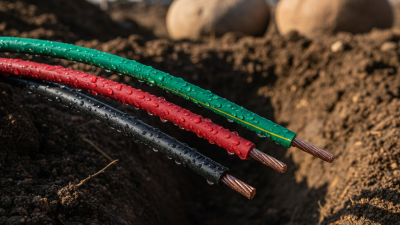
Direct burial wire offers exceptional durability and longevity for various projects. When installed correctly, it can withstand harsh environmental conditions. This type of wire is designed to resist moisture, temperature fluctuations, and soil acidity. Such resilience makes it ideal for outdoor and underground applications.
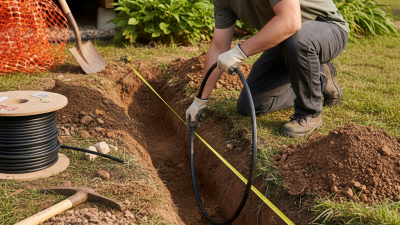
One important tip is to choose the right gauge for your needs. Thicker wire generally offers better conductivity and can handle higher loads. Ensure that your installation site is free from large rocks and debris. This reduces the risk of damage during installation. Additionally, consider local codes and regulations. Compliance is essential for a safe and legal installation.
While direct burial wire is robust, it can still be vulnerable to pests. Rodents and insects may chew on wires if not properly protected. A common oversight is neglecting this factor during installation. Always inspect your surroundings for signs of pests. Regular maintenance can extend the life of your direct burial wire. Documenting any issues can help you make informed decisions in the future.
Environmental Considerations: The Benefits of Direct Burial Wire
Direct burial wire offers various environmental benefits. This type of wire is designed to withstand harsh conditions. Its durable insulation protects against moisture and soil intrusion. According to the National Electrical Manufacturers Association, direct burial wire reduces the need for additional conduit. This results in lower material usage and reduced environmental impact.
Moreover, using direct burial wire can minimize installation time. Traditional methods often require trenching and extensive labor. Direct burial simplifies the process and leads to a decrease in soil disruption. The International Energy Agency reports that using fewer materials and reducing labor hours helps lower carbon emissions during installation.
While there are advantages, there are also considerations. Correct installation is crucial for safety and longevity. Improper handling or placement can compromise its benefits. Evaluating soil conditions can also be complex. These factors affect the wire's effectiveness and durability in the long run.