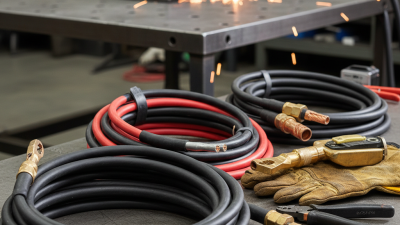
Hesheng Cable

Leave Your Message
Choosing a China-based Welding Cable manufacturer requires more than comparing prices or catalog pages. Buyers should examine conductor material, strand construction, insulation, temperature ratings, and documented electrical tests. These details affect flexibility on the shop floor, heat resistance near a welding arc, and performance during repeated movement. Ask for current product specifications and test records. Check that samples match the cable offered for production.
W. Edwards Deming, a quality-management expert, is widely credited with saying, “Quality is everyone’s responsibility.” For Welding Cable buyers, that principle means looking beyond the sales team: ask how production checks, material records, and shipment inspections are handled. A neat datasheet helps. It does not prove consistent manufacturing. A sample that bends easily may still differ from a full production batch; that is worth checking, not assuming away. Compare suppliers using the same requirements, and clarify how cable size, length, packaging, and delivery terms are confirmed. Ask questions. Then keep the answers. This guide explores how global buyers can assess Chinese manufacturers with practical evidence, clearer specifications, and realistic expectations. No single supplier is best for every application. The right choice depends on verified performance, communication, and the details each buyer can confirm.
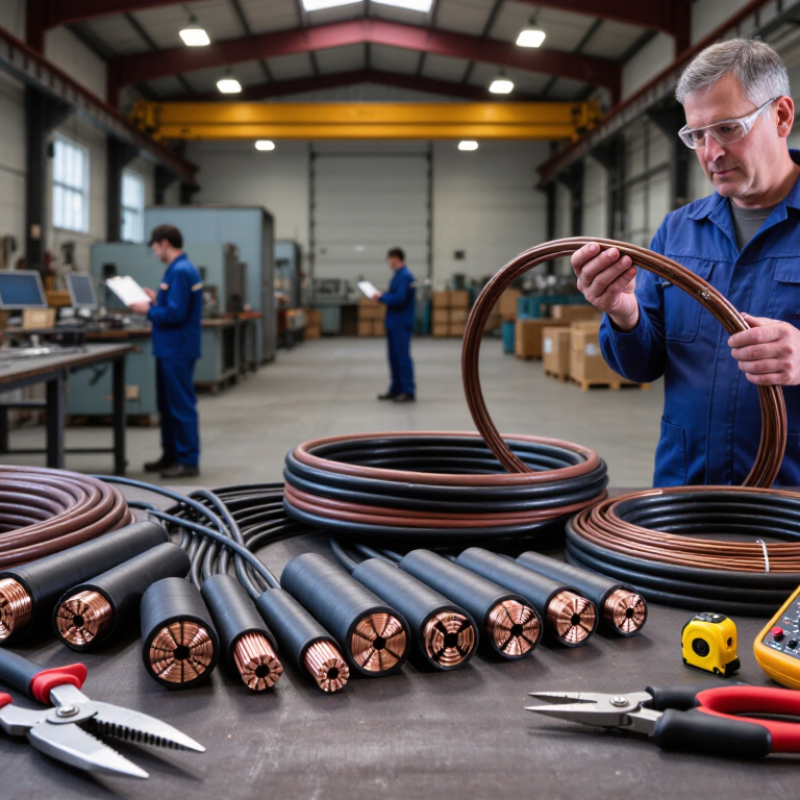
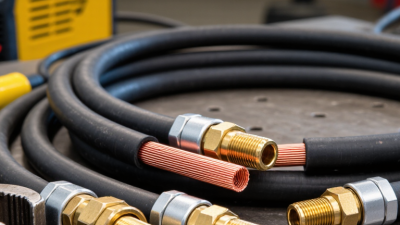
Welding cable is a flexible electrical conductor that carries current from a welding power source to the electrode holder and work clamp. Its many fine copper strands bend more easily than a solid conductor, which matters when a welder moves around a workbench or works beneath a vehicle. The outer insulation protects the strands from abrasion, oil, and heat within its rated conditions. Not invincible, though.
Reliable welding depends on choosing a cable suited to the current, cable length, and duty cycle. A cable that is too small can heat up under sustained load, while excessive length may increase voltage drop. In practice, check the equipment specifications and cable markings rather than judging by thickness alone. Secure connections matter, too. Loose or corroded terminals can create heat and unstable performance, even when the cable itself is in good condition.
Before work, inspect the insulation for cuts, flattened sections, or exposed copper, especially near connectors where bending is frequent. A cable may look acceptable from a distance but hide damage at a stressed bend. Keep it clear of sharp edges and avoid trapping it under wheels or heavy stock. These checks take little time, yet they are easy to skip when a job is running late.
| China Best Welding Cable Manufacturer for Global Buyers? - What Welding Cable Is and How It Supports Reliable Welding | |||
|---|---|---|---|
| Data Dimension | What It Means | How It Supports Reliable Welding | What Buyers Should Check |
| Primary function | Welding cable carries current between a welding power source and the electrode holder or work clamp. | A suitable cable helps deliver welding current through the welding circuit with manageable electrical losses. | Confirm the cable is intended for the welding application and is compatible with the equipment and operating conditions. |
| Conductor material | Flexible welding cable commonly uses stranded copper conductors. Conductor composition and construction should be confirmed from the product specification. | Copper provides good electrical conductivity, while stranding helps the cable flex during use. | Check conductor material, strand construction, and the stated conductor area or cable size. Do not rely on appearance alone. |
| Conductor size | Size may be stated using AWG or a metric cross-sectional area. In the AWG system, a higher gauge number generally indicates a smaller conductor. | Correct sizing helps manage current capacity and voltage drop. The required size depends on the complete application. | Consider welding current, circuit length, duty cycle, installation conditions, and the manufacturer's sizing guidance. |
| Cable length | The circuit length includes the cable run needed to connect the power source to the work and electrode connections. | Longer cable runs can increase voltage drop and electrical resistance, so length can affect cable-size selection. | Measure the actual cable route and account for both sides of the welding circuit when assessing the complete circuit. |
| Insulation and jacket | Welding cable insulation and jackets vary by product. Materials and ratings should be verified against the cable's technical data. | A suitable jacket helps protect the conductor from the environmental and mechanical conditions for which the cable is rated. | Check the stated temperature rating and resistance claims, such as abrasion, oil, ozone, or weather resistance, where relevant. |
| Flexibility | Welding cable is generally designed to be flexible, but flexibility depends on conductor stranding, cable size, and jacket construction. | Flexible cable can be easier to route and handle around a welding work area. | Review construction details and assess handling requirements at the expected operating temperature and installation conditions. |
| Electrical rating | Voltage, temperature, and current-related ratings are product-specific and may depend on applicable standards and test conditions. | Using cable within its specified ratings helps reduce the risk of overheating or insulation damage. | Use the ratings printed on the cable or given in its technical documentation; do not assume all welding cables share the same rating. |
| Standards and markings | Applicable standards and required cable markings vary by market, product type, and intended use. | Traceable markings and supporting documentation help buyers verify that a cable matches the stated specification. | Request the relevant standard references, test reports, certificates, and marking details for the destination market. |
| Application environment | Indoor workshops, outdoor sites, and industrial environments can expose cables to different temperatures, moisture, chemicals, and physical wear. | Selecting cable for its actual environment can help maintain insulation condition and dependable operation. | Identify exposure to heat, moisture, oil, sunlight, sparks, dragging, or vehicle traffic before choosing a cable type. |
| Inspection and maintenance | Regular inspection can identify cuts, crushed sections, exposed conductors, damaged connectors, or loose terminations. | Removing damaged cable from service and maintaining sound connections helps support safe, consistent operation. | Follow workplace procedures and applicable safety requirements; replace cable that is damaged or no longer fit for use. |