How to Choose the Best Flat Submersible Cable for Your Needs?
Choosing the right Flat Submersible Cable for your project is crucial. Experts in the field emphasize the importance of quality and suitability. Mark Johnson, a renowned electrical engineer, states, “A suitable Flat Submersible Cable can make or break your installation.” His insight reflects the significance of making informed choices.
In the complex world of electrical installations, understanding specifications matters. Flat Submersible Cables are designed for unique underwater conditions. Selecting the wrong type can lead to failures or safety hazards. It’s essential to evaluate your needs carefully.
Experience alone isn’t enough. You must also consider cables with proven reliability. Pay attention to factors like material, insulation, and voltage rating. Remember that not all cables are equal. Take the time to research and reflect on your requirements before making a decision.
Understanding the Types of Flat Submersible Cables and Their Applications
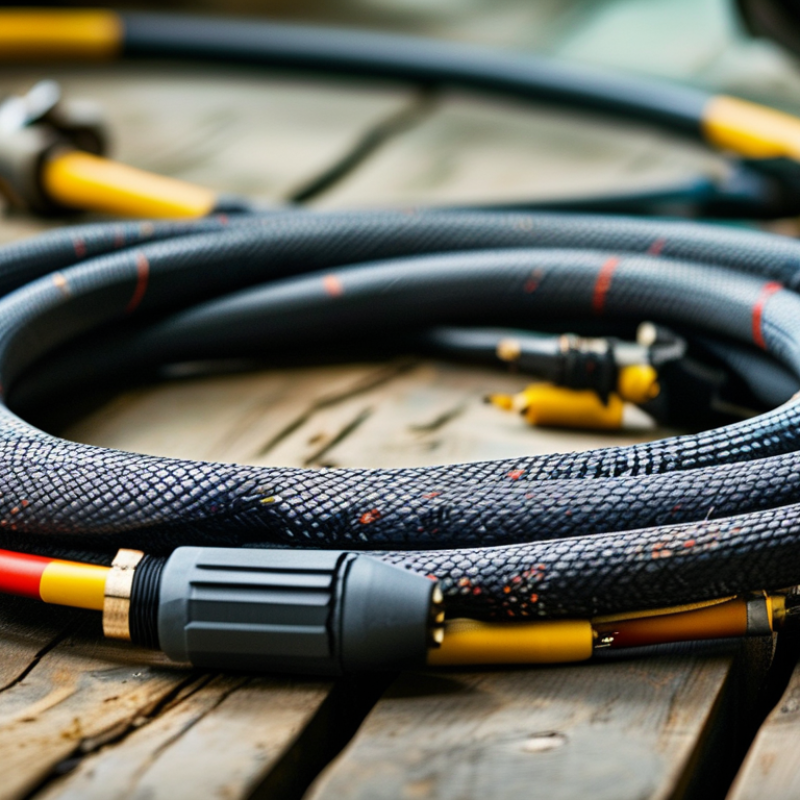
When selecting a flat submersible cable, understanding the types available is crucial. There are several categories based on materials, applications, and environments. For instance, PVC cables are versatile and often used in general submersion environments. Rubber cables, on the other hand, provide greater durability and flexibility, making them ideal for dynamic applications. Each type serves different needs, impacting performance and longevity.
Applications vary widely. Flat submersible cables are essential in agriculture for irrigation systems. They're also used in construction sites to power pumps and lights. The choice can depend heavily on environmental factors. Water quality, temperature, and depth all play significant roles. A cable suitable for shallow ponds may not withstand the conditions of deep well installations. It's essential to consider these details to ensure reliability and safety.
However, selecting the right cable isn't always straightforward. Often, users may overlook specific environmental factors, leading to premature failure. For instance, a cable designed for freshwater conditions may not perform well in saline environments. Such oversights can be costly. Awareness of these specifics is vital. Properly assessing the needs can significantly enhance performance and reduce risks over time.
Key Factors to Consider When Choosing Flat Submersible Cables
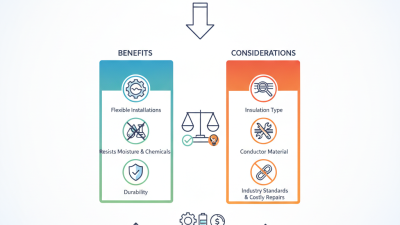
Choosing the right flat submersible cable is crucial for ensuring effective operation in various environments. One of the key factors is the cable's material. Certain materials, like rubber or PVC, provide varying levels of flexibility and durability. A more flexible cable can be easier to install but might not withstand extreme conditions as well. It’s important to consider where the cable will be used. Will it be submerged in freshwater or seawater? Each environment poses different risks to the cable.
Voltage rating is another essential consideration. Ensure that the cable can handle the voltage needed for your applications. Using an undersized cable could lead to overheating or failure. It's advisable to assess the power requirements carefully. Additionally, insulation quality plays a significant role in longevity. Seek cables with robust insulations that resist moisture and chemical exposure.
Many may overlook the length of the cable. Longer cables can lead to voltage drop, which affects performance. Be mindful of the distance between the power source and the equipment. While trying to save money, using subpar cables can lead to costly repairs later. Balancing budget with quality is challenging but vital for long-term success. Always think critically about the specifications needed for your unique circumstances.
Evaluating the Materials and Insulation Ratings of Submersible Cables
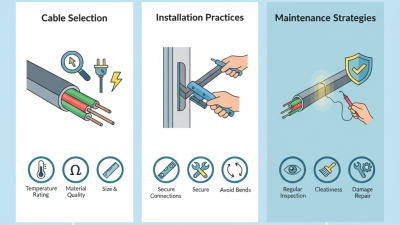
When choosing a flat submersible cable, the materials and insulation ratings play a crucial role. Cables are often exposed to challenging environments. Understanding these factors ensures optimal performance and longevity. Look for materials that withstand moisture and extreme temperatures. For instance, thermoplastic elastomers offer good flexibility and durability, making them suitable for submersible applications.
Insulation ratings indicate the cable's ability to resist electrical breakdown. A higher rating means better protection against water and other contaminants. Be sure to check standards like UL and IEC. These standards provide assurance regarding safety and reliability. If you encounter unfamiliar terms, take the time to research or consult an expert.
Choosing a cable isn’t just about specifications. Reflect on your specific application needs. A cable that works for one setting may not be ideal for another. Consider factors like installation depth and type of pump used. Ensuring that you have the right material and insulation can prevent future issues. Prioritize reliable cables for peace of mind.
Comparative Analysis of Voltage Ratings and Length Requirements
When selecting a flat submersible cable, voltage ratings and length requirements are crucial. A suitable voltage rating ensures safety and efficiency. Common ratings include low voltage, medium voltage, and high voltage. Low-voltage cables are typically used for domestic applications. In contrast, medium and high voltage cables are more suited for industrial use. Assessing your specific needs can prevent hazardous situations.
Length is another essential factor. Cables must reach from their power source to the intended submerged location. Too short a cable can lead to installation issues or increased costs. Conversely, unnecessarily long cables might create voltage drops and energy losses. Measure the distance accurately. However, it’s important to note that excess length can cause problems. Thinking through these details can save time and money.
Potential challenges also arise. Choosing a voltage rating that is too high could lead to excessive costs. Selecting an inappropriate length might complicate installation. It’s wise to consult with professionals who understand these complexities. Their experience can guide you in making an informed decision. Always consider durability and environmental factors too. A thoughtful approach can help you to navigate these choices effectively.
Budget Considerations: Cost vs Quality in Submersible Cable Selection
When selecting a flat submersible cable, budget often plays a crucial role in decision-making. The balance between cost and quality can be challenging. Lower-priced cables may save money upfront, but often compromise on durability. This can lead to higher long-term costs due to premature failures or replacements. Consider how long the cable needs to last in your specific application.
Investing in better quality submersible cable could provide enhanced performance. Quality cables typically use higher-grade materials and better engineering. This can ensure they withstand harsh conditions like moisture and temperature fluctuations. However, it's important not to overlook your budget constraints. You need to weigh the long-term benefits against immediate expenses.
It’s easy to be swayed by initial low costs, but this can lead to regrettable decisions. Evaluate the specifications thoroughly. Look for certifications and testing results that demonstrate reliability. The market can sometimes mislead consumers with flashy marketing, so rely on established standards. Proper research and understanding of your specific needs will create a more prudent purchase.