How to Choose the Best XLPE Insulated Power Cable for Your Needs?
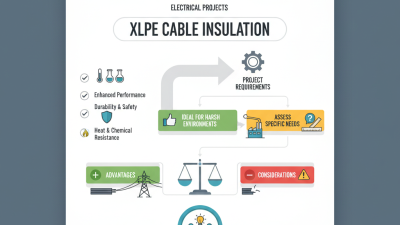
When it comes to selecting the right Xlpe Insulated Power Cable, understanding your specific needs is crucial. This type of cable is known for its durability and high-performance characteristics. It can effectively handle high voltage and extreme environmental conditions.
However, many buyers overlook essential factors when making their choice. Choosing the wrong cable can lead to inefficiencies and safety issues. Moreover, not all XLPE insulated cables are created equal. Some may not meet stringent industry standards, which can compromise performance and safety.
It's vital to consider aspects such as cable applications, temperature ratings, and installation conditions. Each project has unique requirements that must be met. A thorough evaluation can prevent costly mistakes. Understanding these factors will help ensure that your chosen Xlpe Insulated Power Cable will serve its purpose efficiently and reliably.
Understanding XLPE Insulated Power Cables and Their Applications
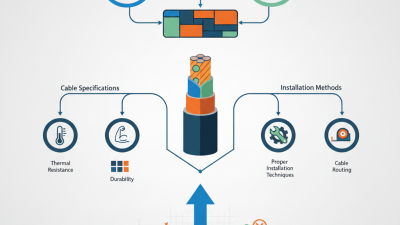
XLPE insulated power cables are crucial in various electrical applications. These cables are known for their excellent thermal resistance and durability. They function well in both industrial and residential settings. Their ability to withstand high temperatures and environmental stress makes them a popular choice. Many installations require specific qualities and ratings from power cables to ensure reliability and safety.
When choosing XLPE cables, it's essential to consider the application. Are you using them for overhead lines, underground installations, or industrial machinery? Each scenario demands different specifications. For instance, cables meant for underground use should be resistant to moisture and other external factors. Understanding the specific environmental conditions of your installation site is vital for optimal performance.
Tips for selecting the right XLPE insulated power cable:
- Assess your load requirements.
- Consider both current and voltage ratings; a mismatch can lead to overheating or failures.
- Evaluate the cable's insulation thickness; thicker insulation typically offers better protection.
- Consult with experts or reference industry standards; they can guide you in making an informed choice tailored to your project's needs.
Key Specifications of XLPE Insulated Power Cables to Consider
When selecting XLPE insulated power cables, key specifications play a crucial role. One must consider the voltage rating to ensure it meets specific application needs. Common options include low, medium, and high voltage cables. Choosing the correct voltage is vital; using the wrong type could lead to failures.
Another important factor is the temperature rating. XLPE cables have a wide operational range, typically between -20°C to 90°C. Understanding the environment where the cables will be installed helps in making an informed choice. Humidity, exposure to sunlight, or extreme temperatures can all affect cable performance.
Cable length and cross-sectional area are also crucial aspects. Determining the required length ensures that the cable reaches its destination without excessive waste. The cross-sectional area affects the current-carrying capacity. If it is too small, overheating may occur. However, a larger size can lead to unnecessary costs. Balancing these factors requires careful thought. Ultimately, every detail matters in ensuring the suitability of the cable for its intended use.
Evaluating the Voltage Rating for Optimal Performance
When selecting XLPE insulated power cables, the voltage rating is crucial. It determines the cable's ability to handle electricity safely. A higher voltage rating means the cable can manage more power. However, choosing a voltage rating too high can lead to unnecessary costs and potential issues. Evaluate your power requirements carefully.
Consider your project's specific needs. For low-voltage applications, a cable with a lower voltage rating may suffice. However, always factor in future expansions. Selecting a cable with a slightly higher voltage rating can provide flexibility. This could save you time and money later on.
Tip: Always verify your voltage requirements before making a decision. Underestimating could cause overheating. Overestimating might lead to excess expenses. Consult with experts to ensure your choice aligns with industry standards. Reliability in performance hinges on this critical factor.
How to Choose the Best XLPE Insulated Power Cable for Your Needs? - Evaluating the Voltage Rating for Optimal Performance
| Cable Type |
Voltage Rating (kV) |
Application |
Conductor Size (mm²) |
Insulation Thickness (mm) |
| XLPE 1 |
1.5 |
Residential |
16 |
1.5 |
| XLPE 2 |
3.6/6 |
Industrial |
25 |
2.0 |
| XLPE 3 |
8.7/15 |
Utilities |
35 |
2.5 |
| XLPE 4 |
12/20 |
Commercial |
50 |
3.0 |
| XLPE 5 |
18/30 |
Renewable Energy |
70 |
3.5 |
Determining Current Carrying Capacity and Thermal Ratings
When selecting XLPE insulated power cables, understanding current carrying capacity is crucial. This capacity indicates how much electrical current a cable can safely transmit. If the current exceeds this limit, overheating may occur. Heat can damage the insulation, potentially leading to failures. It is vital to consider the cable size, ambient temperature, and installation conditions.
Thermal ratings also play a significant role in cable performance. They dictate how well the cable can dissipate heat during operation. Proper thermal management is necessary to ensure longevity and reliability. Look for specifications that indicate temperature ratings under various conditions. Improper selection may result in reduced cable life and unexpected outages.
Assessing these factors requires careful attention to detail. Some applications may demand higher capacities than initially anticipated. Always reflect on your specific needs and environment. Gathering insights from experts can help guide your decisions. Remember, making an informed choice supports efficiency and safety in power transmission.
Current Carrying Capacity of XLPE Insulated Power Cables
Assessing Environmental Factors Affecting Cable Selection
When choosing XLPE insulated power cables, evaluating environmental factors is crucial. The local climate, temperature fluctuations, and humidity levels all impact cable performance. For instance, reports indicate that high humidity can accelerate insulation breakdown, reducing the cable's lifespan. Research shows that areas with heavy rainfall may require cables with enhanced moisture resistance.
Soil characteristics are another essential factor. If the soil is corrosive or acidic, the cable's outer jacket may degrade faster. Studies suggest that certain regions report a 30% higher failure rate due to soil conditions. Therefore, understanding the soil type is vital for selecting the appropriate materials and shielding needed.
Additionally, UV exposure can affect cable insulation. Areas with high sunlight intensity may require UV-resistant cables. In some regions, cables installed outdoors face a 20% increased risk of premature aging. This highlights the importance of selecting cables tailored to specific conditions. A careful assessment of these environmental factors will lead to smarter cable choices that enhance longevity and reliability.