How to Choose the Right Electrical Wire Single Core for Your Project?
Choosing the right electrical wire single core for your project can be a daunting task. Electrical engineer John Smith states, "Selecting the right wire can save time and reduce future problems." This underscores the importance of making informed choices.
Electrical wire single cores come in various types and sizes. Each type serves a unique purpose. For home wiring or industrial applications, the right choice can enhance safety and efficiency. Sometimes, individuals overlook essential specifications.
Understanding the details about ratings and insulation can make a significant difference. Testing the wire's suitability for your specific application is crucial. Remember, the right electrical wire single core not only ensures functionality but also enhances the overall safety of your project. Be thoughtful in your selection process.
Understanding the Basics of Single Core Electrical Wires
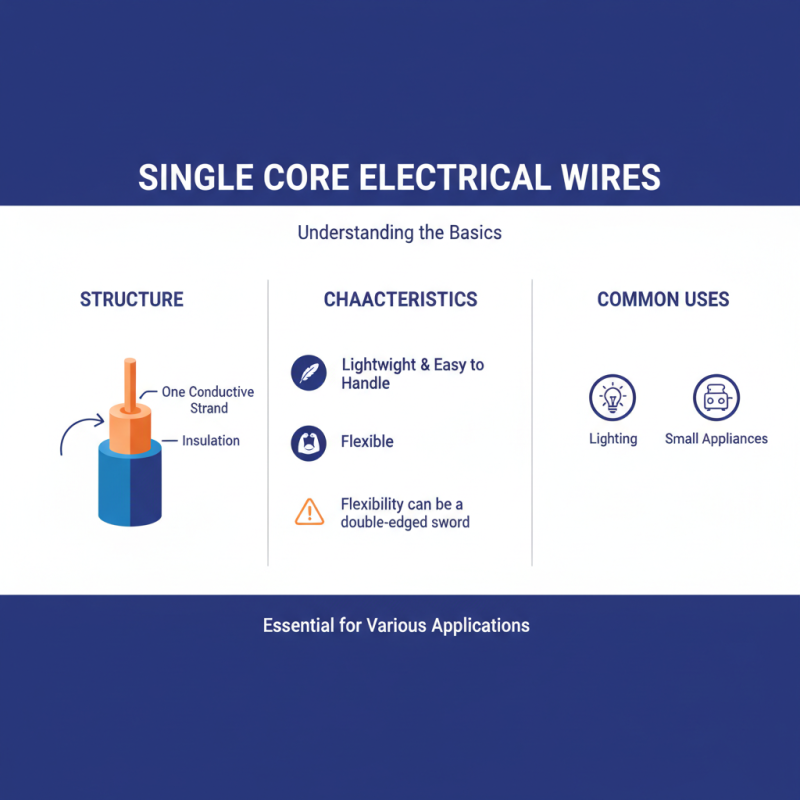
When choosing single core electrical wires for your project, it’s essential to understand their structure and function. Single core wires consist of one conductive strand. This design makes them lightweight and easy to handle. They are suitable for various applications, including lighting and small appliances. Yet, their flexibility can be a double-edged sword.
These wires come in different thicknesses and insulation types. Thicker wires conduct more current, while insulation protects against heat and moisture. Selecting the right gauge is crucial for safety. Too thin a wire may overheat and pose hazards. Some users overlook this aspect, leading to potential risks.
Installation environments also influence wire choice. Indoor projects may require different insulation compared to outdoor use. Not considering environmental factors can lead to premature wire failure. Proper planning ensures optimal performance and longevity. Ultimately, understanding the basics paves the way for safer, more effective electrical work.
Identifying Project Requirements for Electrical Wiring
When embarking on an electrical wiring project, clearly identifying your project's requirements is crucial. Different applications have unique demands. Consider where the wiring will be used. Indoor and outdoor installations require different materials and insulation types. Voltage levels and current ratings must also be assessed. This prevents overheating and ensures safety.
Another aspect to consider is the wire's gauge. Thicker wires can handle more current but are less flexible. Smaller gauges are easier to work with but may not support high loads. Balancing these aspects is important. Think about the length of runs too. Longer distances can lead to voltage drops, affecting performance.
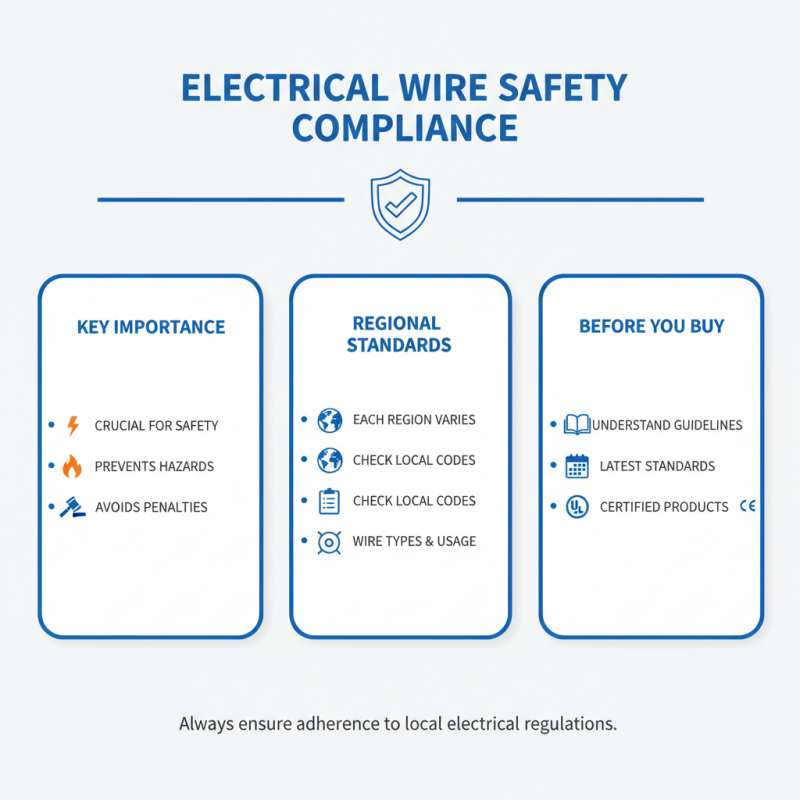
Be mindful of local codes and regulations. Each region may have specific requirements. Not adhering to these can lead to project failures or hazards. Document everything. This process may reveal gaps in your planning. Reflecting on these aspects ensures a well-thought-out approach and enhances safety overall.
Evaluating Wire Material Options for Durability and Conductivity
When selecting electrical wire, material choice plays a crucial role in durability and conductivity. Copper and aluminum are the two most common materials used. Copper wire is known for its excellent conductivity, making it ideal for most electrical applications. It’s also more durable, resisting corrosion better than aluminum. However, it is more expensive, which can affect budget decisions.
Aluminum wire, on the other hand, offers a lighter alternative. While it is cheaper, its conductivity is lower than copper. This means that for longer runs, you may need a larger gauge aluminum wire to carry the same current. It's critical to consider environmental factors too. Corrosion can impact both materials differently based on exposure to moisture and other elements.
Wiring mistakes can lead to inefficiencies and safety hazards. Evaluate your project's demands carefully. Are you thinking about temperature changes or potential wear and tear? Sometimes it’s easy to overlook these factors in favor of cost. Yet each decision in material selection can significantly impact performance and longevity. Always reflect on the implications of your choices throughout the project.
Electrical Wire Material Comparison for Durability and Conductivity
Selecting the Appropriate Wire Gauge for Your Electrical Needs
Selecting the appropriate wire gauge is crucial for any electrical project. The wire gauge determines the amount of current that can safely pass through. A common misconception is that using a thicker wire is always better. However, this can lead to unnecessary costs and complications.
According to the National Electrical Code (NEC), wire gauge is directly related to current capacity. For example, a 14-gauge wire can handle up to 15 amps, while a 12-gauge wire can manage 20 amps. Using an incorrect gauge can lead to overheating. This overheating can cause insulation breakdown and even fire hazards. Ensuring the right gauge increases efficiency and safety.
Another factor to consider is the length of the wire run. Wire resistance increases with length, which can affect performance. For longer runs, using a thicker gauge may be necessary. A 10% voltage drop is typically considered acceptable for most applications. Some projects may allow for higher drops, but this requires careful calculation. Reflecting on these details can enhance your project's overall success.
How to Choose the Right Electrical Wire Single Core for Your Project?
| Wire Gauge (AWG) |
Diameter (mm) |
Current Capacity (Amps) |
Common Applications |
| 14 |
1.63 |
15 |
Residential wiring, lighting circuits |
| 12 |
2.05 |
20 |
Outlets, appliances |
| 10 |
2.59 |
30 |
Heaters, large appliances |
| 8 |
3.26 |
40 |
Subpanels, heavy-duty tools |
| 6 |
4.11 |
55 |
Welding equipment, motors |