Essential Tips for Sourcing Three Core Flat Cable Efficiently?
The demand for Three Core Flat Cable has surged in recent years, driven by technological advancements and automation. A recent market report highlights that global sales of electrical cables are projected to reach $225 billion by 2026, with a notable emphasis on flat cables. This demonstrates the crucial role that efficient sourcing plays in meeting the needs of various industries, from residential to industrial applications.
When sourcing Three Core Flat Cable, it’s vital to consider several key factors. Quality assurance is paramount. Reports indicate that subpar cables can lead to significant fire hazards and operational inefficiencies. Moreover, recognizing the importance of certified suppliers can significantly reduce risks. Recent studies suggest that using certified materials can decrease the likelihood of failures by over 30%.
However, not all sourcing strategies are equal. Many companies overlook the importance of tailored solutions. A one-size-fits-all approach may lead to compatibility issues. Reflection on past sourcing decisions can reveal inefficiencies that impact overall productivity. Emphasizing detailed evaluations and supplier partnerships can enhance sourcing strategies and ensure reliability in cable supply chains.

Understanding the Basics of Three Core Flat Cables
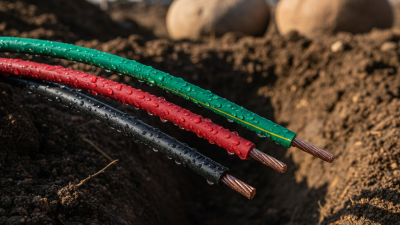
Three core flat cables are essential in various electrical applications. Understanding their structure is crucial for effective sourcing. Typically, these cables consist of three conductors, often color-coded for easy identification. The flat design allows for efficient space utilization in tight areas.
When sourcing three core flat cables, consider the material used in the conductors. Copper is preferred for its excellent conductivity. Check the insulation type as well. PVC is common but may not be suitable for all environments. Ensure the cable can handle the voltage demands of your project. Reputable suppliers often provide detailed specifications.
It's vital to compare options before making a decision. Sometimes, the cheapest choice may not be reliable. Inspect the cable's durability and flexibility. Inferior cables may fail, leading to costly downtimes. Always seek feedback or reviews when selecting suppliers. Trustworthy sources prioritize quality, ensuring your electric systems run smoothly.
Essential Tips for Sourcing Three Core Flat Cable Efficiently? - Understanding the Basics of Three Core Flat Cables
| Specification |
Value |
Importance |
| Conductor Material |
Copper |
High conductivity and durability |
| Cable Construction |
Flat, three-core |
Ease of installation and space saving |
| Insulation Type |
PVC |
Flame resistant and good thermal performance |
| Voltage Rating |
300/500V |
Suitable for various domestic applications |
| Core Size |
1.5mm² and 2.5mm² |
Determines the current carrying capacity |
| Length Options |
Available in 50m, 100m, 200m rolls |
Flexibility for various installation lengths |
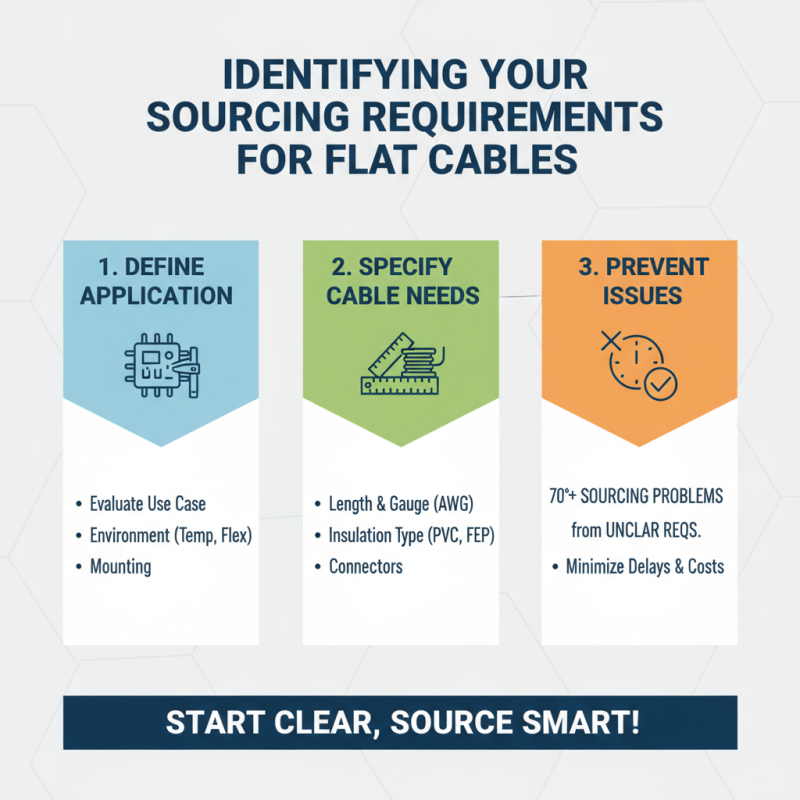
Identifying Your Sourcing Requirements for Flat Cables
When sourcing flat cables, it is essential to define your requirements clearly. Start by evaluating the specific application of the cables. Different applications demand different specifications, including length, gauge, and insulation type. Research indicates that over 70% of sourcing issues arise from unclear requirements. Understanding your needs from the beginning can minimize delays and extra costs.
Consider the environmental conditions where the cables will be used. Factors like temperature variations and exposure to chemicals play a significant role in material selection. In fact, studies show that selecting inappropriate materials can result in a 15% increase in failure rates. Highlighting these conditions when sourcing can ensure you find durable cables that meet your operational needs effectively.
Lastly, develop relationships with reputable suppliers. While it’s important to seek competitive pricing, prioritizing quality is crucial. Reports indicate that 60% of companies experienced performance issues when cutting costs on cable sourcing. Choosing reliable partners can improve the overall efficiency of your supply chain. Reflecting on your sourcing strategies can help identify gaps and opportunities for improvement.
Evaluating Quality Standards for Three Core Flat Cables
When evaluating quality standards for three core flat cables, it's crucial to assess their materials. High-quality cables use durable and flexible materials, ensuring longevity. Copper conductors are often preferred. They have better conductivity than aluminum. A cable with poor materials might not perform well, leading to safety risks.
Another aspect to consider is the cable's insulation. Look for standards like PVC or XLPE materials. These insulations can withstand heat and mechanical stress. Poor insulation can lead to overheating and potential failures. Testing the cables for compliance with accepted standards can save time and costs in the long run.
Certifications also play a vital role. They provide peace of mind regarding cable performance. A cable lacking relevant certifications may cause unexpected issues, making verification a necessary step. Test reports can reveal inconsistencies that might go unnoticed. Make sure to request documentation to ensure reliability. Quality checks should not be overlooked. These steps help build confidence in your sourcing decisions.
Quality Standards for Three Core Flat Cables
This bar chart illustrates the evaluation of various quality standards for three core flat cables, including material quality, conductivity, and insulation properties. Each bar represents a different standard assessed, with the scores reflecting the evaluated performance.
Exploring Reliable Suppliers for Efficient Sourcing
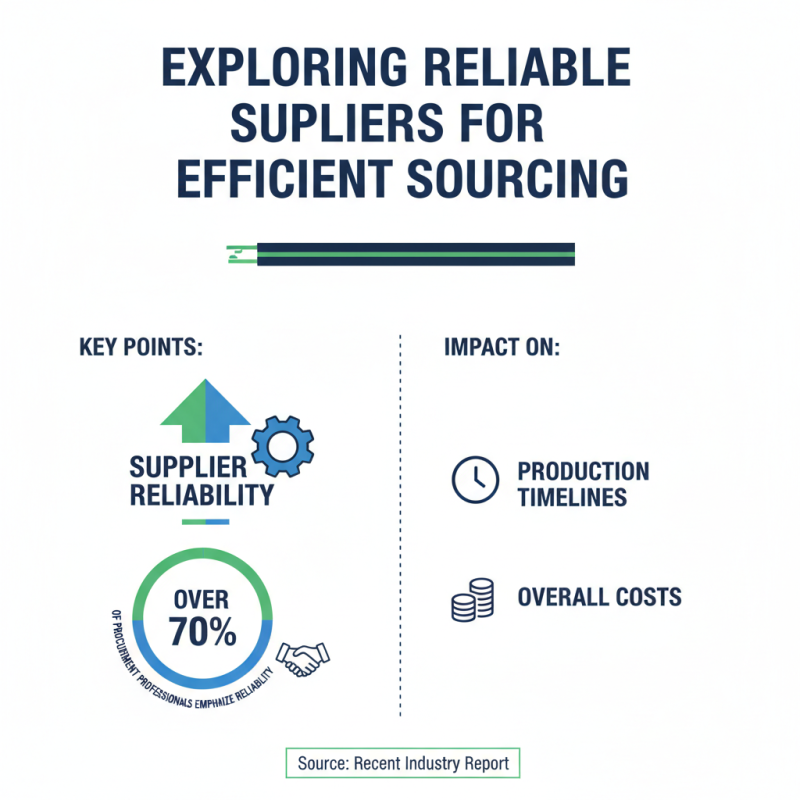
When sourcing three core flat cables, finding reliable suppliers is crucial for efficiency. According to a recent industry report, over 70% of procurement professionals emphasize the importance of supplier reliability. This indicates that the quality and dependability of suppliers can significantly impact production timelines and overall costs.
Investigating potential suppliers involves various factors. It's essential to assess their manufacturing processes and certifications. Not all suppliers adhere to the same standards. A study found that up to 30% of suppliers do not meet industry benchmarks. This discrepancy can lead to quality issues and increased waste in production. Many businesses overlook these aspects during the sourcing process.
Additionally, building long-term relationships with suppliers can yield benefits. Suppliers who understand a company's unique needs may provide better support, including quicker turnarounds and tailored solutions. However, trusting a supplier without thorough vetting can pose risks. Transparency is essential in all supplier communications. Understanding terms clearly helps avoid misunderstandings later. As the industry evolves, staying informed about supplier performance is crucial for effective sourcing strategies.
Cost-Effective Strategies for Purchasing Flat Cables
When sourcing flat cables, cost-effective strategies are vital. The global flat cable market is projected to reach $3.1 billion by 2026, with a compound annual growth rate (CAGR) of 5.5% between 2021 and 2026. This growth indicates the increased demand for efficient sourcing methods.
One effective approach is to leverage bulk purchasing. Purchasing in larger quantities often leads to reduced prices per unit. Reports indicate that bulk purchases can decrease costs by up to 20%. However, careful inventory management is crucial. Overestimating needs leads to wasted resources, while underestimating can result in stockouts. Optimizing order sizes is key.
Another strategy involves evaluating suppliers based on quality and reliability. Notably, about 75% of production disruptions stem from supplier issues. Engaging with suppliers who provide transparent lead times and quality certifications ensures a dependable supply chain. Additionally, consider alternative materials that maintain performance while reducing costs. Innovation and flexibility in sourcing can lead to significant savings, promoting a more sustainable operation overall.