Why Is Low Voltage Cable Management Essential for Your Business?
In today’s fast-paced business landscape, effective Low Voltage Cable Management is crucial. A report by the National Electrical Contractors Association (NECA) indicates that improper cable management can lead to a 30% increase in maintenance costs. This highlights the importance of staying organized as technology evolves.
Experts emphasize that chaotic cables can hinder operational efficiency. John Smith, a leading consultant in cable management, states, “A well-organized cabling system not only improves safety but also boosts productivity.” Businesses often overlook the significance of low voltage systems. However, they form the backbone of essential services, from communication to security infrastructure.
Investing in Low Voltage Cable Management is not just about aesthetics. It's about functionality and reliability. Disorganized cables can cause unexpected downtime and operational disruptions. As organizations grow, the complexity of their cable systems increases. Striving for better cable management can significantly reduce these risks, but it requires ongoing diligence and reflection.

Importance of Low Voltage Cable Management in Modern Businesses
Low voltage cable management is crucial for modern businesses. As technology evolves, the need for organized cabling grows. Poorly managed cables can lead to chaos. They create hazards and impact productivity. Proper management enhances safety. It minimizes risks of tripping or short-circuits. This, in turn, leads to a more efficient workplace.
One effective tip is to use cable ducts. They conceal and organize cables. This prevents tangling and makes maintenance easier. Label your cables too. This practice simplifies troubleshooting when issues arise. Taking these steps can greatly enhance your workspace.
Regular audits of your cabling system are essential. Examine for wear and clutter. Addressing these issues proactively prevents larger problems. An organized cabling system reflects professionalism. It communicates a commitment to efficiency in your work environment.
Importance of Low Voltage Cable Management in Modern Businesses
Common Challenges Faced Without Proper Cable Management
Proper cable management is vital for any business relying on low voltage systems. When cables are tangled or improperly organized, the risks grow significantly. According to the Institute of Electrical and Electronics Engineers (IEEE), poor cable management can lead to system failures, costing businesses about $1,000 per hour in downtime.
Without effective management, overheating is a common issue. Loose cables restrict airflow, raising temperatures and increasing the risk of equipment damage. The National Fire Protection Association reported that 29% of electrical fires are directly attributed to faulty wiring and poor cable practices. Moreover, technicians can struggle to troubleshoot systems bogged down by disorganized cables, resulting in higher labor costs and more time wasted.
Another challenge is compliance with safety standards. The Occupational Safety and Health Administration (OSHA) mandates clear pathways for emergency exits. Haphazard cables can block these routes, making businesses vulnerable to fines. The analysis indicates that over 60% of companies face regulatory hurdles due to inadequate cable management. Investing time and resources in proper organization can significantly reduce these risks while enhancing operational efficiency.
Best Practices for Organizing Low Voltage Cabling Systems
Effective low voltage cable management is crucial for businesses of all sizes. According to a report by BICSI, poor cabling can lead to a 27% increase in downtime. This downtime results in significant financial losses. Creating an organized system aids in reducing confusion and streamlining maintenance.
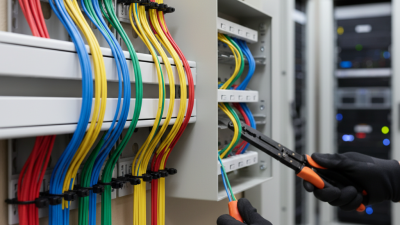
Start with structured pathways for cables. Use cable trays, conduits, and raceways where possible. These pathways protect cables and keep them off the floor, which minimizes hazards. In addition, labeling each cable helps technicians identify them quickly. A clear labeling system can reduce troubleshooting time by up to 50%.
Regular maintenance is also key. Inspect cables for wear and tear to prevent future issues. The reports suggest that businesses can spend up to 30% more on repairs due to neglected cable management. Reflecting on these practices can foster a better work environment and improve efficiency. With proper cable management, you not only enhance performance but also ensure safety in the workspace.
Impact of Cable Management on Safety and Compliance Standards
Effective cable management is crucial for maintaining safety standards in any business environment. Poorly managed low voltage cables can create tripping hazards, leading to workplace accidents. Additionally, cables could overheat or become damaged, posing fire risks. Compliance with safety regulations often hinges on proper cable organization. This precaution not only protects your employees but also safeguards your equipment.
Tips for better cable management include utilizing cable trays and clips to neatly route cables. Regular inspections can help identify potential hazards before they escalate. Marking cables clearly can also aid in quick identification, reducing the chances of accidents during maintenance.
Attention to detail is vital. A haphazard approach might seem convenient initially, but it often leads to larger issues. Keeping cables tidy requires ongoing effort and should be a part of daily operations. Implementing a structured cable management system is not merely about aesthetics; it's about creating a safer and more compliant workspace for everyone.
Cost Benefits of Effective Cable Management Solutions
Effective cable management can lead to significant cost benefits for businesses. According to a report by the International Data Corporation, inefficient cable management can increase operational costs by up to 30%. This figure highlights how chaos in cabling can elevate maintenance and downtime costs.
Well-organized low voltage cables reduce risks related to electrical fire hazards. A study by the National Fire Protection Association indicated that faulty electrical systems contribute to 10% of all commercial fires. Proper management can mitigate these risks and potentially save thousands in related damages and insurance claims.
Moreover, businesses that invest in effective cable management solutions report higher productivity. A survey by the Building Owners and Managers Association showed that 85% of respondents believe that a well-organized workspace, including cables, boosts employee morale. Employees can focus better without the distraction of tangled cables. However, implementing a cable management system requires upfront investment. It's essential to weigh these costs against potential savings.