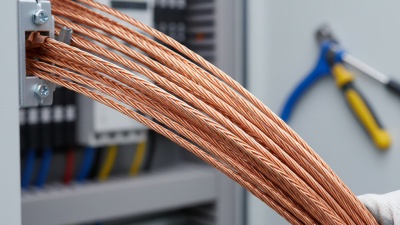
How to Manage Low Voltage Cables Effectively for Better Safety
Effective management of low voltage cables is crucial for safety in various settings. "Low Voltage Cable Management is not just about organization; it's about preventing hazards," says John Smith, a renowned expert in electrical safety. With the increasing reliance on technology, the risk associated with poor cable management also rises.
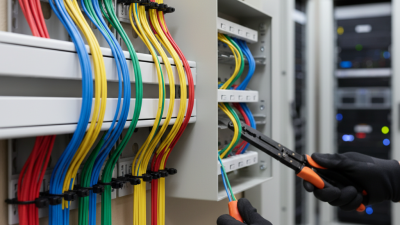
Cables often become tangled, leading to potential tripping hazards and electrical malfunctions. Regular inspections and a systematic approach are vital. Utilizing cable ties, trays, and proper labeling improves clarity and ensures compliance with safety standards. An organized system reduces the chances of accidents and increases operational efficiency.
However, it's important to acknowledge that issues may still arise. Mistakes happen in any organization, such as mislabeling cables or overlooking maintenance schedules. These oversights can lead to significant problems. Reflecting on our practices in Low Voltage Cable Management is essential for continual improvement. The goal is clear: prioritize safety and enhance reliability in our cable management approaches.
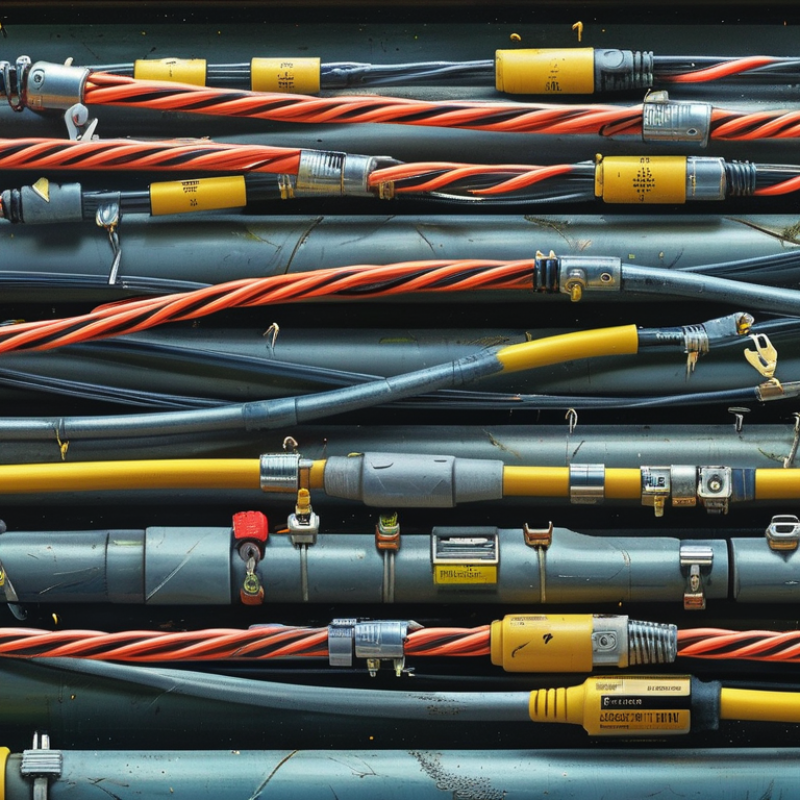
Understanding Low Voltage Cables and Their Applications
Low voltage cables play a crucial role in modern electrical systems. They are designed to operate at 50V to 1,000V. This range covers a wide array of applications. From lighting to control systems, low voltage cables are everywhere. Understanding their structure and function is vital for safe handling.
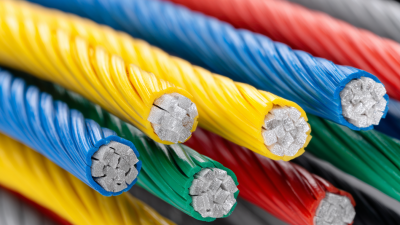
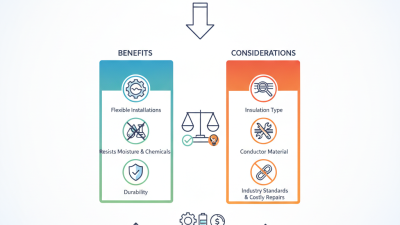
These cables generally consist of a conductor and insulation. Various materials are used in their construction, affecting durability and flexibility. Copper and aluminum are common choices for conductors. The insulation type is equally important. It should withstand environmental factors like moisture, heat, and chemical exposure. Mistakes can lead to failures over time. Choosing the wrong cable can result in unexpected hazards, so prioritizing quality is essential.
Low voltage cables frequently face issues like overheating and corrosion. Regular inspections can help prevent unsafe conditions. Learning about proper installation techniques can also enhance safety. For example, cables should never be tightly bundled, as this can trap heat. Additionally, ensuring that connections are secure can prevent arcing and power loss.
Being aware of these details can make a significant difference in maintaining safety and functionality.
Assessing Risks and Safety Concerns with Low Voltage Cables
Low voltage cables play a critical role in many electrical systems. However, they can pose safety risks if not managed properly. Assessing these risks requires understanding the environment where cables are installed. Factors like moisture, heat, and physical damage can significantly impact the safety of low voltage systems.
Regular inspections are essential. Look for signs of wear or exposure. Frayed wires or improper connections can lead to electrical hazards. An unkempt installation can create a dangerous situation. Staff should be trained to identify these issues early. Awareness is key to maintaining safety standards.
Proper cable management techniques can reduce risks. Use suitable cable ties and trays to keep cables organized. This prevents accidental damage and minimizes trip hazards. Consider the cable routing carefully. Avoid running cables through high-traffic areas. Each decision impacts overall safety and functionality. Regular training sessions can reinforce good practices. Reflection on past incidents can lead to improved strategies.
How to Manage Low Voltage Cables Effectively for Better Safety - Assessing Risks and Safety Concerns with Low Voltage Cables
| Cable Type |
Voltage Rating (V) |
Common Applications |
Risk Factors |
Recommended Safety Measures |
| Low Voltage (LV) Power Cables |
0 - 1000 V |
Power distribution in buildings, outdoor lighting |
Overheating, short circuits |
Regular inspections, proper installation |
| Low Voltage Control Cables |
0 - 700 V |
Control systems, automation equipment |
Signal interference, mechanical damage |
Shielding, secure routing |
| Data Communication Cables |
Low Voltage |
Networking, telecommunications |
Data loss, unauthorized access |
Encryption, physical security |
| Flexible Cables |
Up to 600/1000 V |
Portable equipment, temporary installations |
Tension, bending |
Careful handling, proper storage |
| Armored Cables |
0 - 1000 V |
Industrial installations, outdoor applications |
Physical impact, rodent damage |
Use of conduits, regular inspections |
Best Practices for Installation and Management of Low Voltage Cables
Managing low voltage cables requires careful attention to installation and ongoing maintenance. According to the National Fire Protection Association (NFPA), improper cable management contributes to 20% of electrical fires. This statistic underscores the importance of adhering to established best practices.
One effective practice is to ensure proper cable routing. Cables should be laid out neatly without sharp bends, which can cause insulation damage. Additionally, using cable trays and conduits protects cables from physical damage. Studies show that organized cabling can reduce maintenance time by up to 50%. Regular inspections are crucial. They ensure that the cables remain in good condition and free of debris. Ignoring this can lead to unforeseen hazards.
Another critical aspect is labeling. Properly labeling cables facilitates easier troubleshooting and minimizes confusion during maintenance. A survey by the Institute of Electrical and Electronics Engineers (IEEE) revealed that misidentified cables are a major source of downtime. Implementing a solid labeling system ensures efficiency and safety. Keeping documentation up to date enhances reliability. As technology evolves, so do safety standards. Staying informed is essential to comply with these standards.
Regular Maintenance and Inspection Techniques for Safety
Regular maintenance and inspection of low voltage cables is critical for ensuring safety in any electrical installation. According to the National Fire Protection Association (NFPA), electrical faults are among the leading causes of fires in commercial buildings, accounting for nearly 12% of all reported fires. Poorly maintained cables often lead to short circuits, which can escalate into serious hazards quickly.
Implementing a routine inspection schedule is vital. Inspections should include checking for signs of wear, fraying, or heat damage. A study from the Institute of Electrical and Electronics Engineers (IEEE) indicates that 30% of electrical failures are due to inadequate maintenance. Inspectors should look for loose connections or signs of corrosion. Regular use of thermal imaging can help pinpoint overheating areas that may indicate potential failures down the line.
Consider keeping a detailed log of inspections and any maintenance performed. This practice not only helps in tracking the history of cable conditions but also can aid in identifying trends over time. Despite best efforts, it's common to miss some issues. Regular training for staff in identifying potential problems can improve oversight. These steps reinforce a proactive approach to cable management, promoting safer electrical systems overall.
Effective Management of Low Voltage Cables: Maintenance and Inspection Frequency
This chart illustrates the recommended frequency of inspections for low voltage cables. Regular maintenance is crucial for ensuring safety and minimizing risks associated with electrical systems. The data highlights that monthly inspections are most recommended, gradually decreasing in frequency each quarter or year.
Compliance with Standards and Regulations for Low Voltage Cables
Low voltage cables play a critical role in electrical systems. Their effective management can prevent hazards. Compliance with standards and regulations is key. Regulatory bodies outline safety measures. These guidelines ensure proper installation and usage.
Understanding the standards is essential. Familiarity with codes helps in meeting requirements. Regular inspections are important. They can identify potential issues before they escalate. Documentation of compliance helps in accountability.
Neglecting regulations can lead to serious consequences. It increases risks of electrical failures. Risk assessments should be a routine practice. Training staff on compliance measures is vital. It fosters a culture of safety. Inadequate knowledge can create blind spots. Reflecting on current practices may reveal areas of improvement.