Top Welding Cable Types for Global Buyers to Consider?
Welding Cable is an essential component in various industrial applications. Choosing the right type can significantly impact welding performance and safety. With numerous options available, global buyers face a challenging market. Each type of welding cable offers unique benefits and potential drawbacks.
Understanding specifications like ampacity, insulation type, and flexibility is crucial. Additionally, factors such as temperature resistance and durability come into play. Decision-making often involves weighing these aspects against project requirements. This can be a daunting task for many purchasers.
Notably, mistakes in selecting welding cable can lead to operational inefficiencies. Buyers must research and consider expert recommendations for optimal choices. Engaging with trusted suppliers can help navigate the complexities of the market. With careful evaluation, users can find suitable welding cable types for their specific needs.
Types of Welding Cables and Their Applications in Industry
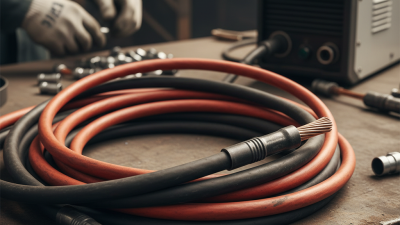
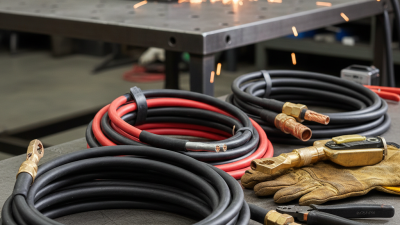
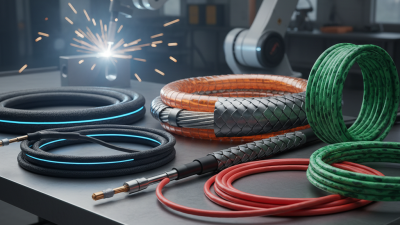
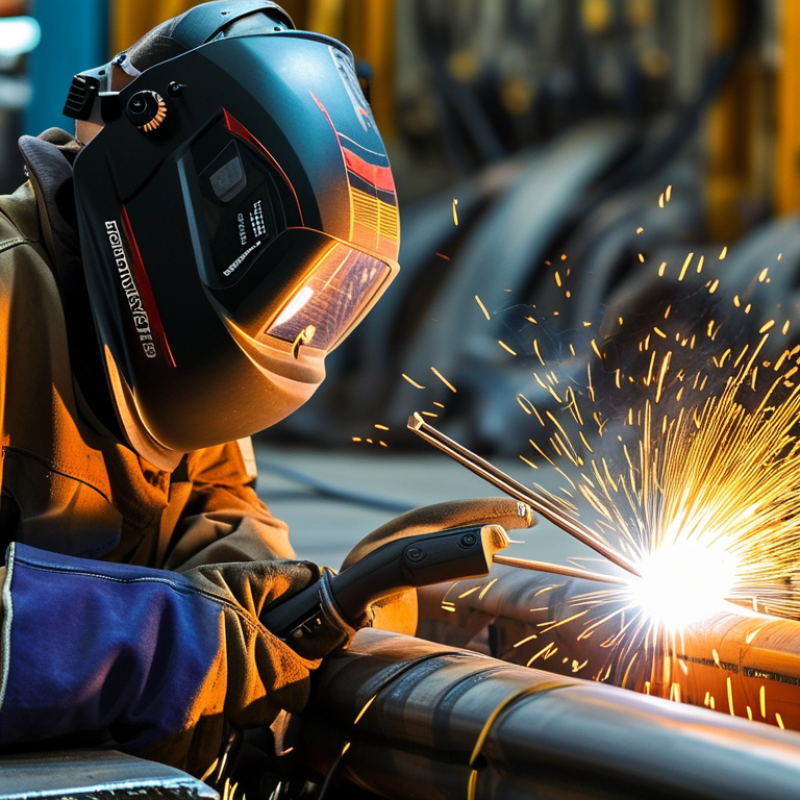
Welding cables are essential tools in metal fabrication and construction. There are several types available, each designed for specific applications. The most common types include rubber, PVC, and silicone welding cables. These materials offer different benefits, such as flexibility and heat resistance.
Rubber welding cables are ideal for outdoor work. They are durable and can withstand harsh weather conditions. PVC cables, on the other hand, are more budget-friendly and suited for indoor tasks. Their lightweight nature allows for easy handling. Silicone cables provide excellent heat resistance. They work well in high-temperature environments, making them suitable for specialized applications.
When selecting a welding cable, consider the type of project and environment. Not every cable fits all situations. Incorrect choices can lead to operational challenges and safety hazards. Take the time to evaluate your needs. The right cable can enhance your efficiency and safety in welding tasks.
Comparative Analysis of Copper vs. Aluminum Welding Cables
When choosing welding cables, buyers often weigh the benefits of copper and aluminum. Copper welding cables are recognized for their superior conductivity. They can carry more current over longer distances without overheating. This property makes copper a go-to choice for heavy-duty applications. Market reports indicate that copper offers a conductivity of around 97% IACS (International Annealed Copper Standard). This efficiency is crucial in high-performance welding settings.
On the other hand, aluminum cables are lighter and generally more cost-effective. They are less conductive, about 61% IACS, but can still serve well in less demanding applications. Many industries leverage aluminum for its lower weight, reducing transportation costs. However, it has a downside; aluminum is more prone to oxidation, which can hinder performance. Users must be aware of proper maintenance techniques to mitigate this issue.
Data from industry experts suggest that while aluminum cables can be appealing, challenges arise. Improper connections can lead to significant heat generation. This creates potential risks in safety and equipment integrity. Buyers need to consider the specific requirements of their projects. The right choice between copper and aluminum can significantly impact operational efficiency.
Comparative Analysis of Copper vs. Aluminum Welding Cables
Understanding Welding Cable Ratings: Amperage and Voltage Standards
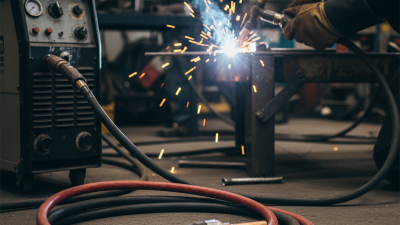
When selecting welding cables, understanding amperage and voltage ratings is crucial. The right rating ensures safety and optimal performance. Cables should be matched to the welding processes they support. For example, MIG welding typically requires different specifications than TIG welding. Knowing the amperage range is essential for avoiding overheating.
It's important to choose cables that can handle the specific demands of your equipment. High-amp processes need cables rated accordingly. Voltage ratings reflect how much power the cables can withstand. Make sure the cables meet or exceed the requirements of the welding machine in use.
Tips: Always check the insulation type of the cables. It can impact flexibility and durability. Look for flexible cables, especially in tight spaces. Also, be aware of the environmental conditions. Extreme temperatures and exposure to chemicals can affect cable performance. Regularly inspect cables for wear and damage. This helps in maintaining safety and extending the cables' lifespan.
Key Factors to Consider When Selecting Welding Cables
When selecting welding cables, several factors demand attention. First, consider the cable's ampacity. This factor determines how much current a cable can safely carry. A higher ampacity allows for more efficient welding operations without the risk of overheating. Additionally, different welding processes may require varying cable types and sizes. Understanding your specific welding requirements is crucial for optimal performance.
Another important aspect is flexibility. Cables used in welding often need to withstand tight bends and various environments. A flexible cable can enhance maneuverability, allowing users to work in challenging positions without compromising the integrity of the connection. Thickness and insulation material also play roles. A thicker insulation can provide better protection against sparks and heat. However, too thick could hinder flexibility.
Durability is another key consideration. Welding cables often face rough handling and exposure to extreme conditions. Choosing a cable that can resist wear and tear will result in fewer replacements and lower costs in the long run. But remember, not every cable will be perfect for every application. Balance your needs and costs carefully when making a decision.
Global Market Trends in Welding Cable Demand and Supply Dynamics
The global welding cable market is evolving. Recent reports highlight that demand is shifting due to technological advancements and increasing infrastructure projects. The market size is projected to reach $1.2 billion by 2025, growing at a CAGR of 5.4%. The rise of renewable energy sources, such as solar and wind, is also influencing this trend.
In terms of supply dynamics, major producers are focusing on high-quality materials to meet increasing safety standards. For instance, the use of copper-clad aluminum is becoming more common. This material is lightweight and offers excellent conductivity. However, the cost fluctuations in raw materials can pose challenges for manufacturers. Quality assurance and regulatory compliance remain critical. These factors can lead to delays in production.
The market is not without its challenges. Competing demands from various industries complicate supply chain management. Increased automation and robotics drive a need for specialized cables built to withstand harsh environments. Manufacturers must adapt quickly to remain relevant. Overall, the welding cable sector is poised for transformation, driven by innovation and changing consumer needs.