Why Choose Direct Burial Copper Wire for Your Electrical Needs?
When considering electrical installations, the choice of wiring is critical. Direct Burial Copper Wire stands out due to its robust reliability and superior conductivity. According to industry reports, copper wire maintains a resilience against environmental factors, outperforming alternatives like aluminum in both longevity and efficiency.
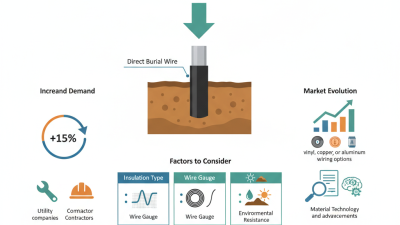
Direct Burial Copper Wire is designed for underground use, enhancing safety and minimizing the risk of damage. A study from the National Electrical Manufacturers Association indicates that installations using this wire can reduce maintenance costs by up to 30%. However, while it offers numerous benefits, it is essential to consider factors like soil conditions and moisture levels. These can influence the long-term performance of the wiring.
As more electrical applications demand efficiency, Direct Burial Copper Wire remains a trusted choice. Yet, its higher initial investment might raise concerns for some users. Balancing short-term costs with long-term durability is essential. This highlights the importance of careful planning and professional consultation to maximize the benefits of your wiring choices.
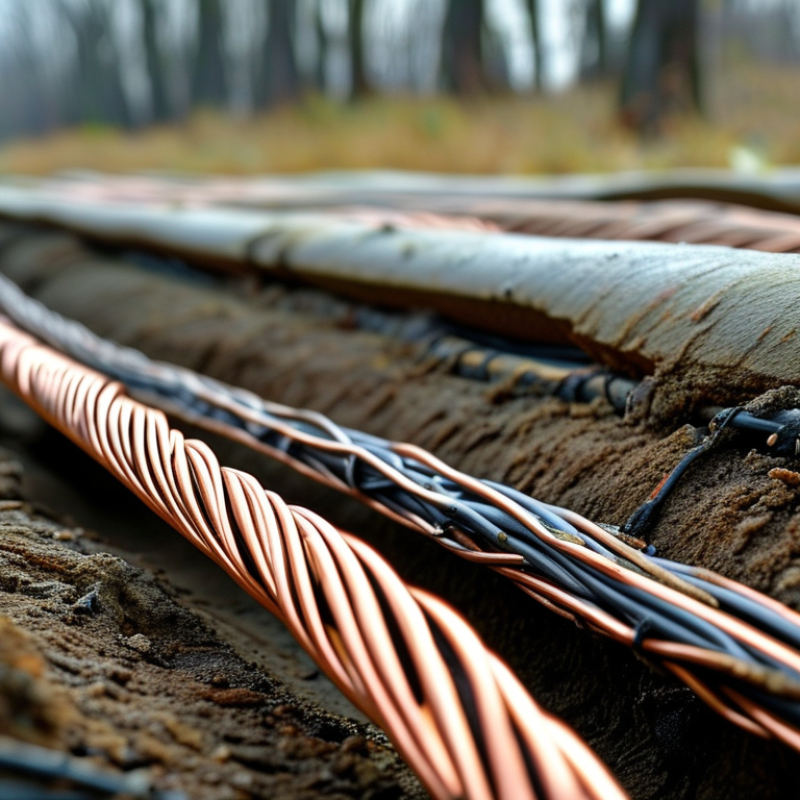
Benefits of Using Direct Burial Copper Wire for Electrical Installations
When it comes to electrical installations, direct burial copper wire stands out for various reasons. One major benefit is its ability to endure harsh environments. According to the National Electrical Code, these wires are designed for long-term underground applications. They are resistant to moisture and corrosion, which can significantly reduce maintenance needs.
Direct burial copper wire also offers excellent conductivity. Research by the Copper Development Association shows that copper has an electrical conductivity of approximately 97%, making it an efficient conductor. This means reduced energy loss during transmission. Additionally, its durability can help avoid frequent replacements, thereby lowering long-term costs.
While the initial investment for direct burial copper wire might be higher than alternatives, its lifespan and reliability make it a sound choice. However, not all projects may require such robustness. Assessing the specific needs of your installation is crucial. This wire doesn't come without potential drawbacks. Installation can be labor-intensive, and improper handling might lead to inefficiencies. Hence, understanding both sides is vital for making informed decisions.
Key Features of Direct Burial Copper Wire Compared to Other Materials
When it comes to electrical installations, choosing the right materials is crucial. Direct burial copper wire stands out due to its unique properties. It is designed to resist moisture and corrosion, making it ideal for underground applications. Unlike aluminum, copper offers superior conductivity, ensuring efficient power transmission. This is vital for reducing energy losses and maintaining system performance.
Moisture resistance is a key feature of direct burial copper wire. This wire is usually insulated with materials designed to withstand harsh conditions. Furthermore, it can handle voltage fluctuations better than other materials. This reliability is essential for long-term installations, especially where stability is a priority.
Consider using direct burial copper wire for better durability. It’s important to assess the soil conditions before installation. Some soils may contain chemicals that can potentially damage insulation over time. Regular inspections can help in identifying early signs of wear or damage. Choosing the right wire can save time and costs in the long run, as frequent replacements can be frustrating. Understanding the specific requirements of your electrical system will help ensure a successful installation.
Comparative Analysis of Direct Burial Copper Wire and Other Materials
| Feature |
Direct Burial Copper Wire |
Aluminum Wire |
PVC Insulated Copper Wire |
| Durability |
High, resistant to corrosion and most environmental factors |
Moderate, can corrode without proper coatings |
High, protected with insulation but susceptible to cuts |
| Conductivity |
Excellent conductivity and performance |
Good conductivity, but higher resistance than copper |
Excellent conductivity, common for residential use |
| Installation |
Can be directly buried without additional protection |
Requires special coatings for burial |
Requires conduit for direct burial applications |
| Temperature Rating |
High temperature rating suitable for various environments |
Lower temperature tolerance compared to copper |
Varies significantly based on insulation type |
| Cost |
Generally higher initial investment |
Lower initial cost but higher maintenance |
Moderate initial cost depending on insulation type |
Installation Considerations for Direct Burial Copper Wire
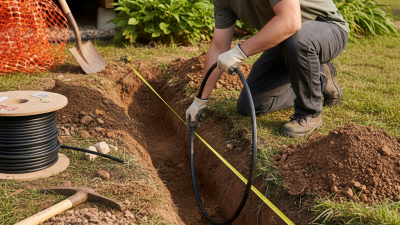
When installing direct burial copper wire, several key factors come into play. First, the depth of the burial is crucial. Local codes often dictate how deep the wire should be buried. Typically, a depth of at least 24 inches is recommended for safety. Make sure to adjust for the type of soil and climate in your area as well. Poor soil conditions may require deeper burial to protect the wire from damage.
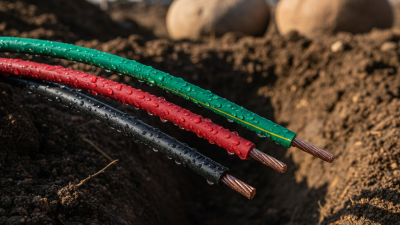
Another important consideration is the type of insulation used on the wire. Direct burial copper wire needs to be rated for underground use. This ensures that it can withstand moisture and environmental conditions without degrading over time. Using wires without proper insulation can lead to serious safety hazards. In addition, testing the soil for any potential corrosive elements is advisable before installation.
When planning your project, think about future access. If you need to make repairs or upgrades, having a design that allows for easy access to the wire can save time and effort down the road. Check your local codes to ensure you are compliant and avoid pitfalls during installation. Always have safety gear on hand to protect yourself during the process. Remember, meticulous planning contributes to a more reliable and effective installation.
Cost-Effectiveness and Longevity of Direct Burial Copper Wire
When considering electrical installations, direct burial copper wire stands out for its cost-effectiveness and durability. According to the National Electrical Contractors Association, copper wire can last over 30 years when buried correctly. This long lifespan reduces the need for frequent replacements, translating into substantial savings over time.
Direct burial copper wire is also advantageous due to its inherent conductivity. The American Institute of Physics notes that copper has a resistivity of about 1.68 micro-ohm meters. This means it efficiently transmits electricity with minimal loss. Less energy waste means lower utility bills in the long run.
However, challenges exist. Direct burial installations must adhere to local codes, which can vary widely. Improper installation may lead to corrosion or electrical failure. Frequent inspection is crucial to ensure safety and longevity. Despite these considerations, many find that the benefits of direct burial copper wire outweigh the potential drawbacks.
Safety Standards and Regulations for Direct Burial Wiring Applications
When considering direct burial copper wire for electrical applications, safety standards are paramount. The National Electrical Code (NEC) offers guidelines for the installation of these wires underground. Compliance with NEC standards ensures that the installation is safe and reliable. According to a 2022 report, over 40% of electrical failures in buried systems are due to improper installation. Understanding these regulations can help mitigate such risks.
Direct burial wires must resist moisture and corrosion. The materials used must meet specific industry standards. For instance, wires are often insulated with durable coatings that enhance their resistance to environmental stressors. Research indicates that installations utilizing direct burial wires maintain better longevity, with up to a 20% increase in lifespan compared to non-compliant systems. However, DIY installations may overlook critical safety measures, leading to potential hazards.
Regular inspections are vital for maintaining safety. Even with high-quality materials, external factors can cause damage. Soil conditions, temperature fluctuations, and tree roots can compromise wire integrity. The need for periodic assessments is highlighted in a study showing that neglecting maintenance can lead to electrical outages in 30% of cases. Awareness of these factors is essential for anyone considering direct burial installations.