What Are the Key Specifications for MV Cables?
The importance of MV cable specifications cannot be overstated in the electrical and energy sector. High-voltage mediums are essential for reliable electricity distribution. According to a recent report by the International Energy Agency, over 60% of electricity worldwide is transmitted through medium voltage systems. This highlights the need for precise MV cables specifications, ensuring safety and efficiency in power networks.
Renowned expert Dr. John Smith, a leading authority in electrical engineering, states, “Understanding MV cables specifications is crucial for optimal performance and safety.” His insights reinforce the critical nature of these specifications. Every detail, from conductor materials to insulation types, plays a significant role in determining the cable's overall reliability.
The industry faces challenges, including adapting to new technologies and sustainability demands. Innovating without compromising safety can be complex. As the sector evolves, continuous evaluation of MV cables specifications is essential. It is imperative to address shortcomings in current standards and explore new solutions for improved performance. Focusing on these standards will foster advancements in the energy landscape.
Key Features of Medium Voltage (MV) Cables
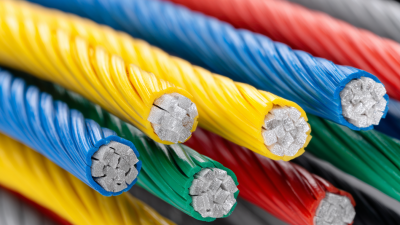
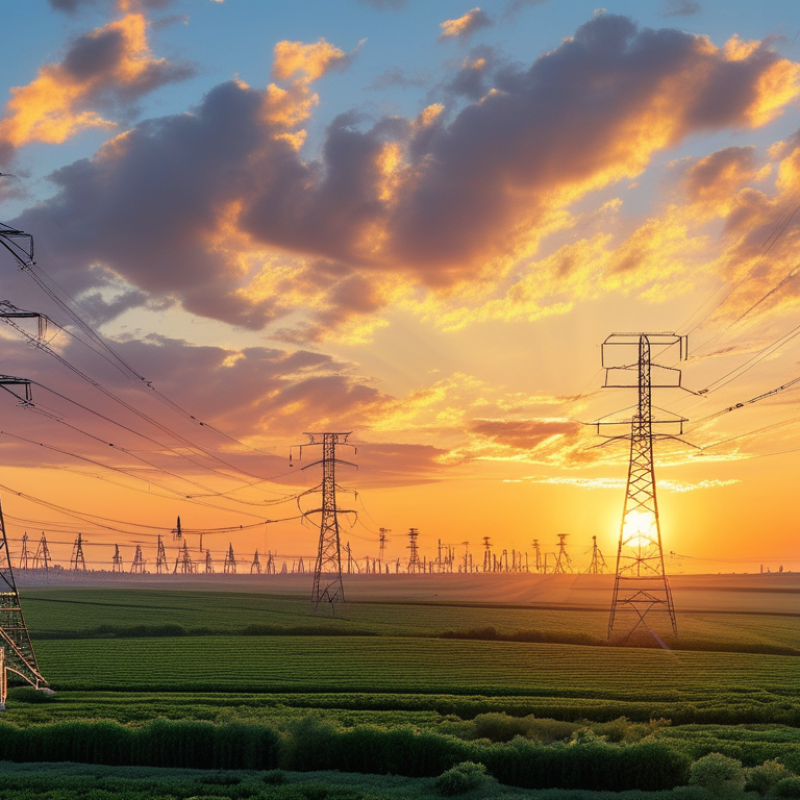
Medium Voltage (MV) cables are crucial in electrical distribution systems, connecting power generation stations to substations and industrial plants. These cables typically operate at voltages from 1 kV to 36 kV. They are designed to effectively handle electrical power with minimal losses. MV cables are insulated to withstand harsh environmental conditions, ensuring they remain reliable over time.
One key feature of MV cables is their robust construction. Generally, they have multiple layers of insulation and protective sheathing. This design not only protects against physical damage but also prevents electrical interference. Furthermore, the materials used often include cross-linked polyethylene (XLPE), which enhances durability and thermal resistance.
However, not all MV cables are created equal. Different applications may require various specifications. The wrong choice can lead to performance issues. It is essential to consider factors such as temperature rating, installation method, and environmental concerns. Proper installation is vital, yet many overlook this aspect. Human errors during installation can affect cable longevity and safety. Thus, expert guidance is highly recommended.
Key Specifications for Medium Voltage (MV) Cables
Types of Conductors Used in MV Cables
When discussing medium voltage (MV) cables, the types of conductors used are crucial. The most common conductors are copper and aluminum.
Copper is known for its excellent conductivity and tensile strength. It has a lower resistance than aluminum, making it more efficient for power transmission. However, copper is also more expensive. In contrast, aluminum is lightweight and cost-effective, but it has a higher resistance. This means that larger aluminum conductors are required to achieve comparable performance to copper.
Recent data from industry reports indicate that copper conductors account for approximately 60% of the MV cable market due to their superior properties. Meanwhile, aluminum's presence is growing, especially in applications where weight and cost are significant factors. For example, aluminum's weight advantage is particularly beneficial in overhead installations. In urban settings, where space is limited, this can lead to significant logistical efficiencies.
Both conductor types face challenges. Copper is prone to theft due to its value, leading to increased security concerns. Aluminum may corrode when exposed to moisture if not treated properly. Industry experts suggest that proper installation and maintenance practices are key to mitigating these issues. The choice of conductor will often depend on specific project requirements and environmental conditions. Balancing these factors requires careful consideration and expertise.
Insulation Materials for MV Cables: Overview and Selection
When choosing insulation materials for medium voltage (MV) cables, several factors should be considered. The insulation plays a crucial role in ensuring the cable's reliability and safety. Key materials include cross-linked polyethylene (XLPE) and thermoplastic materials. These options provide excellent electrical properties. They resist moisture and have high thermal stability. However, selecting the right type demands careful analysis.
XLPE is popular for its durability and resistance to electrical stress. It functions well in various environmental conditions. However, it can be more expensive. On the other hand, thermoplastic insulating materials, like PVC, are cost-effective but may offer lower performance in high-temperature applications. This trade-off needs evaluation based on the intended application.
In the installation process, factors such as temperature, humidity, and exposure to chemicals impact insulation performance. Over time, insulation can degrade, leading to failures. Regular inspections help identify potential weak points. Ensuring that insulation materials are properly matched to their environment is vital for long-term success. A mismatch can result in costly repairs and downtime. Balancing performance with cost remains a key challenge.
Key Specifications for MV Cables
| Specification |
Value |
| Voltage Rating |
1 kV to 36 kV |
| Conductor Material |
Copper or Aluminum |
| Insulation Material |
Cross-linked Polyethylene (XLPE) |
| Sheath Material |
Polyvinyl Chloride (PVC) or Low Smoke Zero Halogen (LSZH) |
| Temperature Range |
-40°C to +90°C |
| Fire Resistance |
IEC 60332-1 |
| Bend Radius |
15 x diameter |
| Screening |
Metallic Shielding or Semi-conductive Layers |
Specifications for MV Cable Ratings and Performance
Medium Voltage (MV) cables are pivotal in electrical distribution systems. They typically range from 1 kV to 36 kV. This range allows them to efficiently transfer electrical energy from substations to various facilities. Understanding their specifications is crucial for any project.
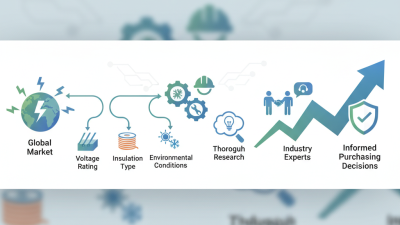
The key ratings for MV cables include voltage rating, current carrying capacity, and insulation type. Each specification impacts performance and safety. A cable's voltage rating determines its ability to handle electrical stress. Meanwhile, current rating shows how much load the cable can carry without overheating. Insulation materials also play a critical role. They must withstand environmental conditions and provide safety against electrical faults.
Installation practices can significantly affect cable performance. Proper handling reduces the risk of mechanical damage. Users often overlook this aspect, leading to potential failures. Regular inspections are essential. They help identify wear and tear early on, safeguarding the entire electrical system. Paying careful attention to these specifications ensures the reliability and efficiency of MV cable installations.
Common Applications and Standards for MV Cables
Medium Voltage (MV) cables are crucial in a variety of applications. These cables typically operate at voltages ranging from 1kV to 36kV. Common applications include power distribution networks in industrial facilities, renewable energy systems, and infrastructure projects. A report by Research and Markets found that the global MV cable market is projected to grow at a CAGR of 5.8% from 2021 to 2028. This growth highlights the rising demand for efficient energy transmission.
One important aspect of MV cables is their adherence to specific industry standards. The IEC 60502 standard outlines technical specifications for cables, ensuring safety and performance. Additionally, the National Electrical Manufacturers Association (NEMA) provides guidelines for installation practices. This standardization is vital for maintaining reliability and minimizing risks in electrical installations. Understanding these standards helps engineers and technicians in selecting and installing cables appropriately.
Tip: Always check local regulations and standards before installing MV cables. This ensures compliance and boosts safety for users. Furthermore, proper installation practices can greatly affect the longevity of the cable. Regular inspections are also needed to identify any potential issues. Even minor lapses in maintenance can lead to significant operational risks.