Best Direct Burial Copper Wire Manufacturers in China
Direct Burial Copper Wire serves demanding outdoor installations, where moisture, soil chemistry, and mechanical stress test every design choice. A cable that looks sturdy on a factory reel may still disappoint underground. Check conductor material, insulation and jacket construction, gauge options, and stated burial suitability. Ask manufacturers for clear product specifications, test reports, and traceable quality records. Details matter.
For a practical perspective, this introduction uses a clearly identified fictional specialist, cable engineer Lin Wei: “A buried cable cannot be inspected easily, so its construction and documentation must earn confidence before installation.” The line is an editorial viewpoint, not a sourced quotation. That distinction matters. Buyers should verify claims rather than rely on polished catalog language.
This guide compares Direct Burial Copper Wire manufacturers in China through product range, technical transparency, production capability, and support for project-specific requirements. It also considers how suppliers explain conductor stranding, insulation choices, packaging, and order consistency. Ask direct questions. Request samples when appropriate. Look closely at markings on the cable and the finish of its outer jacket. A neat sample is useful, but it cannot prove long-term field performance by itself. That part is harder. Manufacturer selection involves trade-offs, and one specification rarely tells the whole story. The aim is not to crown a supplier from a brochure. It is to help readers identify credible manufacturers, ask sharper questions, and choose products suited to the installation environment.
What Direct Burial Copper Wire Is and How It Is Used
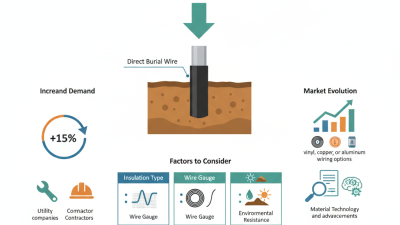
Direct-burial copper wire is an insulated conductor or cable designed for underground installation without conduit along its entire route. Its copper core carries current, while the insulation and outer jacket help resist moisture, soil chemicals, and abrasion. Some designs include armor or extra protective layers, but construction varies by voltage and application. Common uses include outdoor lighting, pumps, gate controls, and power feeds to detached buildings. Not every dark-jacketed cable is rated for burial. Check its markings and installation data.
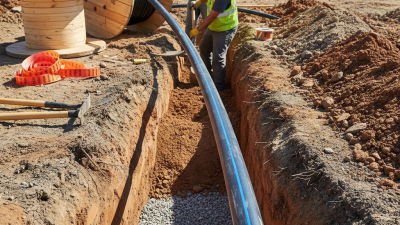
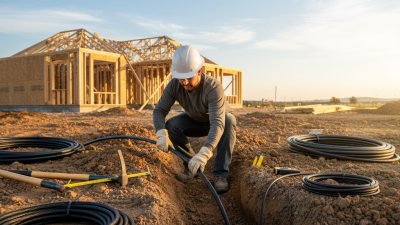
Installers typically lay cable in a trench with a smooth base, avoid sharp bends, and protect exposed risers or crossings. Required burial depth and wiring methods depend on site conditions and local requirements, so verify them before digging. A cable may look sound above ground but fail after water reaches a damaged jacket. Small cuts matter. Choosing a suitable wire involves conductor size, circuit load, run length, voltage drop, and temperature rating; a qualified electrician can confirm these details. Chinese manufacturers may offer different conductor sizes and jacket constructions, so request clear specifications and test records. I would still inspect the reel and markings on delivery; paperwork cannot reveal every handling defect.
Key Materials, Construction Features, and Manufacturing Standards
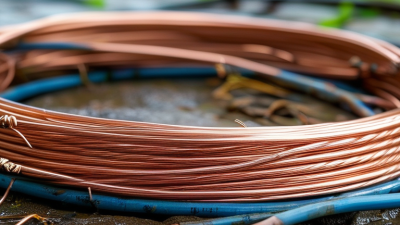
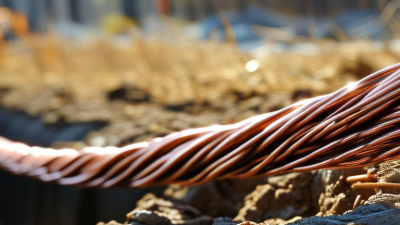
Direct-burial copper wire starts with the conductor. Stranded, annealed copper offers flexibility for pulling through trenches and around gentle bends. Buyers should check conductor size, strand class, and resistance data rather than relying on appearance alone. A bright surface proves little. It is not a substitute for test results.
Insulation and the outer jacket must withstand soil moisture, abrasion, and temperature changes. Polyethylene or cross-linked polyethylene may be specified, depending on the design and installation conditions. Some constructions add protective bedding or armor where mechanical damage is a concern. That choice can increase weight and make handling harder.
Small details matter, including jacket thickness and consistent concentricity. Manufacturing controls should cover conductor resistance, insulation dimensions, spark testing, and finished-cable voltage tests.
Ask for reports tied to the supplied production batch, plus the stated test methods and acceptance limits. Standards vary by market and cable type, so confirm the applicable IEC, ASTM, or other project specification before ordering.
A factory’s certificate is useful, but it does not answer every question. I would also review sample cross-sections; uneven layers can be easy to miss in a product sheet.
Notable Direct Burial Copper Wire Manufacturers in China
Notable direct burial copper wire manufacturers in China often serve utility, construction, and infrastructure projects. Their capabilities can vary widely. A useful supplier should explain the cable’s conductor size, copper composition, insulation structure, and intended burial conditions in clear technical documents. Ask for current test reports, not just a polished catalog. Details matter.
For direct burial, check that the product is specifically designed for underground installation. Look for information on moisture resistance, abrasion protection, and the cable’s rated voltage. Request a sample and inspect the jacket for even thickness, clean printing, and visible damage. Then compare its markings with the quotation and test records. Small discrepancies deserve follow-up.
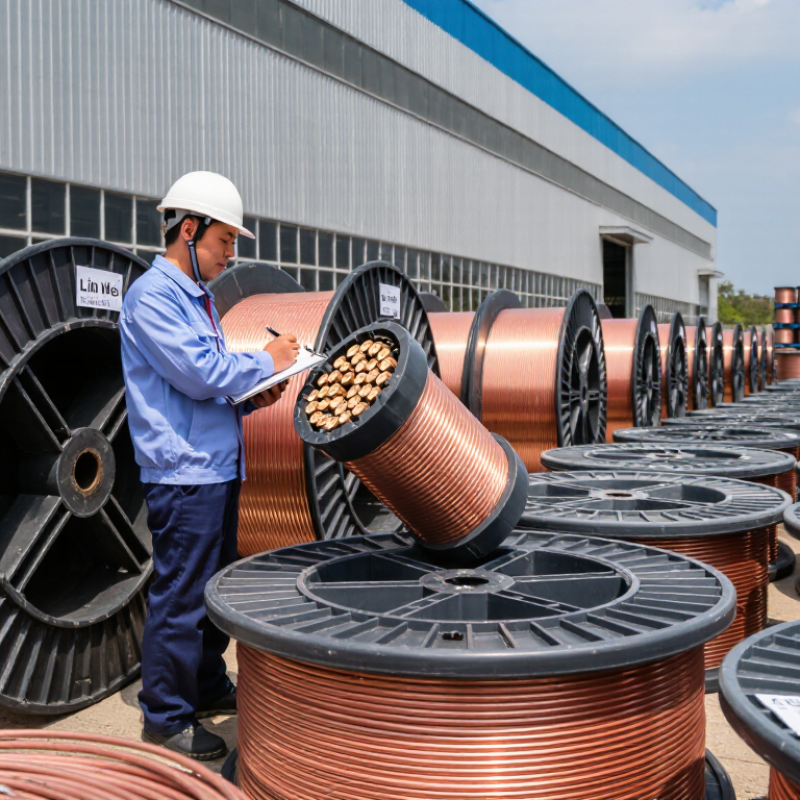
Factory visits or live production checks can help buyers assess equipment, quality controls, and traceability. Ask how incoming copper is inspected and how finished coils are tested before shipment. A responsive technical team is valuable, but quick replies alone prove little. Be cautious. Some suppliers may offer several cable types without explaining which one suits a particular soil or installation method. Even experienced buyers can overlook that point. Share project conditions and have the manufacturer confirm the proposed construction in writing.
Comparing Products, Applications, and Purchasing Considerations
Direct-burial copper wire manufacturers in China may offer similar-looking products with important differences.
Compare conductor size, copper purity, strand construction, insulation, and jacket material. Solid conductors can suit fixed runs, while stranded wire is often easier to route around bends. Check the rated voltage and temperature range against the project requirements.
Details matter.
Applications shape the choice.
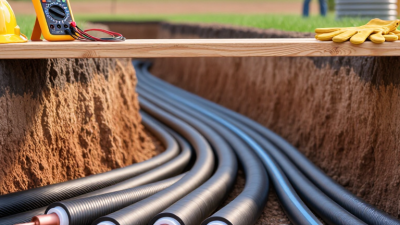
A cable placed underground near a garden irrigation line faces different conditions from one routed beneath a vehicle entrance. Soil moisture, expected mechanical stress, and installation depth all affect selection. Where added protection is needed, ask whether the cable includes armor or another protective layer.
Confirm installation requirements with a qualified electrician and applicable local guidance.
Before ordering, request a full datasheet, routine test records, conductor-resistance values, and clear product markings.
Ask how the factory identifies production batches and handles sample testing. A sample helps verify flexibility and jacket finish, but it cannot prove long-term performance by itself. Be careful with unusually low quotations; they may omit packaging, testing, or delivery costs. Even careful comparisons leave some uncertainty, so clarify tolerances, minimum order quantities, lead times, and warranty terms in writing.