Electrical Wire Single Core is a basic yet highly important conductor in residential, industrial, and control-panel wiring. It contains one solid or stranded conductive path, usually made from copper or aluminum. A protective layer of PVC, XLPE, or another insulating material surrounds the conductor. That simple structure affects flexibility, heat resistance, voltage performance, installation time, and long-term safety.
Mike Holt, a respected electrical-code educator, often reminds learners, “The Code is the minimum, not the maximum.” This principle matters when selecting Electrical Wire Single Core. A cable may meet a basic rating, yet still perform poorly in a hot cabinet, a damp conduit, or a crowded distribution board. Real installation experience shows that conductor size, insulation temperature, bending space, and current load must be considered together. A 2.5 mm² copper wire, for example, may feel suitable for a short lighting circuit, but surrounding temperature and grouping can change its safe capacity.
This guide examines the main types of Electrical Wire Single Core, including solid-core, stranded, flexible, low-voltage, and high-temperature options. It also explains their construction, common applications, advantages, and limitations. Some classifications overlap. That can confuse new buyers. Even experienced installers may simplify the decision too quickly. Wire selection is not only about diameter or price. It requires careful reference to manufacturer data, local electrical standards, and qualified professional judgment. Small details matter. A loose terminal, damaged insulation, or incorrect conductor size can turn a neat installation into a serious hazard.
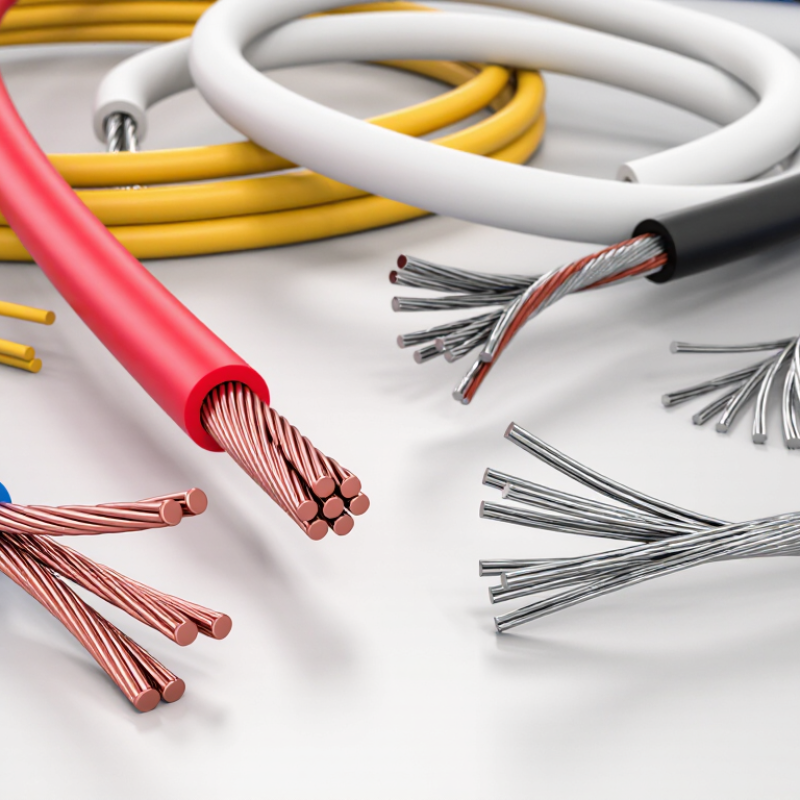
A single-core electrical wire contains one electrically conductive path inside one insulating layer. The conductor is usually copper or aluminum, selected for conductivity, weight, cost, and installation conditions. Around it, insulation separates the live path from people, nearby wires, and supporting surfaces. That basic arrangement looks simple, but each layer has a safety function.
The conductor may be solid or stranded. Solid wire uses one continuous metal core and holds its shape well in fixed installations. Stranded wire contains many thin metal strands, making it easier to bend around terminals and narrow pathways. Insulation materials vary according to heat, moisture, and mechanical demands. Common options include PVC and cross-linked polymers, while the correct choice depends on the rated voltage and working temperature. Color markings can help identify conductors, but color alone should never replace testing.
In practical wiring work, size matters as much as structure. A thicker core generally carries more current, yet allowable capacity also depends on length, ambient heat, grouping, and installation method. A simple label can mislead. I have seen wires appear suitable until their insulation rating was checked carefully. The wire should match the circuit design, protective device, and local electrical code. Small scratches, loose strands, or poorly tightened terminals can increase resistance and create heat. The boundary is not always obvious. A qualified electrician should verify uncertain selections before energizing any circuit.
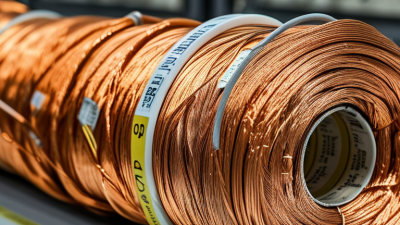
What Is Electrical Wire Single Core and Its Types?
Key Materials Used in Single-Core Wire Construction
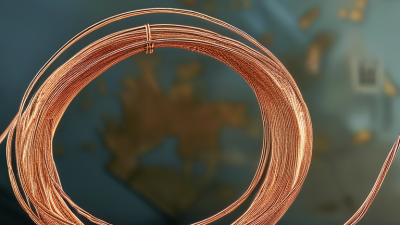
Single-core electrical wire contains one continuous metal conductor inside an insulating layer. Copper is widely used because it carries current efficiently and bends without breaking easily. Its reddish surface also helps technicians identify it during installation. Aluminum is lighter and often costs less, but it needs careful connection control. Loose terminals can increase resistance and produce heat.
The conductor may be solid or stranded. Solid copper has one rigid metal piece, making it suitable for fixed household wiring. Stranded wire uses many thin strands. It bends more easily inside control panels and narrow conduits. I have seen installers prefer stranded conductors where repeated movement occurs. However, careless stripping can damage the strands. Small details matter.
The insulation protects people and equipment from electric shock, moisture, and abrasion. PVC is common because it offers practical flexibility and reasonable heat resistance. XLPE handles higher temperatures and can perform well in demanding installations. Polyethylene may provide useful moisture protection in selected cable designs. Some copper conductors receive a thin tin coating. This coating helps reduce oxidation, especially in damp environments. It does not make poor connections safe. Wire size, insulation rating, temperature, and installation conditions must match the intended circuit. A thicker conductor is not automatically better. I have learned that choosing by appearance alone can create avoidable problems. Always verify markings and consult qualified electrical guidance before installation.
Single-core electrical wire contains one conductive path inside its insulation. The conductor is usually copper or aluminum. Copper bends easily and carries current efficiently, while aluminum is lighter but needs careful connection. The outer insulation separates the conductor from people, metal surfaces, and nearby wires. In real installations, choosing by appearance alone is risky.
Solid single-core wire uses one continuous metal conductor. It holds its shape well and suits fixed wiring inside conduits, panels, and control boxes. Stranded single-core wire contains many thin strands. It bends more easily, making it useful for equipment connections and areas with vibration. Flexible wire uses very fine strands and handles repeated movement better, although its termination requires suitable terminals. Insulation also creates important types. PVC insulation is common for general indoor wiring, while heat-resistant or cross-linked insulation suits warmer environments. The correct voltage, temperature, and current ratings must match the installation.
Tips: Check the printed rating on the insulation before cutting wire. Use the correct stripping length and tighten terminals firmly, but do not crush the strands. Keep copper and aluminum connections separate unless an approved connector is used. A continuity test helps, but it cannot replace proper protection testing. The boundary between “flexible” and “stranded” is not always neat. That detail is easy to overlook. When conditions are uncertain, consult a qualified electrician and follow local electrical requirements.
What Is Electrical Wire Single Core and Its Types?
Common Applications in Residential and Industrial Wiring
Single-core electrical wire contains one solid or stranded conductor inside insulation. It offers straightforward routing and stable current carrying performance. Common types include PVC-insulated copper wire, heat-resistant wire, and low-smoke, halogen-free wire. Copper provides excellent conductivity, while aluminum reduces weight and material cost. Selection depends on voltage, temperature, flexibility, and installation conditions.
In residential wiring, single-core conductors commonly run through conduits, distribution boards, lighting circuits, and socket outlets. A rigid copper conductor is practical for fixed routes behind walls. Stranded versions bend more easily inside crowded panels. In industrial settings, larger conductors serve control cabinets, motor circuits, machinery, and power distribution systems. The International Energy Agency’s Electricity 2024 report recorded 2.2% global electricity-demand growth in 2023 and forecasts average annual growth of 3.2% through 2026. More electrical equipment means more careful conductor planning.
Tips: Match the wire’s cross-sectional area with the expected load and installation method. Check insulation temperature ratings before placing conductors near heat sources. Leave clean bends, secure terminations, and enough space inside conduits. NFPA 70 requires proper ampacity, protection, and installation practices, but local rules can differ. A wire may look suitably thick and still fail under continuous heat. I have seen neat installations become unsafe when loose terminals were overlooked. Independent verification remains worthwhile.
| Single-Core Wire Type | Conductor Construction | Common Conductor Material | Typical Insulation | Key Characteristics | Typical Applications | Installation Considerations |
|---|---|---|---|---|---|---|
| Solid-Core PVC-Insulated Wire | One solid metal conductor | Copper or aluminum | Polyvinyl chloride (PVC) | Simple construction, good dimensional stability, and easy termination | Fixed residential circuits, lighting points, switches, and socket wiring | Best for permanent installations; repeated bending can damage the conductor |
| Stranded PVC-Insulated Wire | Multiple small wires bundled as one core | Usually copper | PVC | More flexible than solid-core wire and easier to route through tight spaces | Control panels, distribution boards, equipment wiring, and conduits with bends | Use suitable terminals or ferrules where required; avoid loose strands at terminals |
| XLPE-Insulated Single-Core Cable | Solid or stranded single conductor | Copper or aluminum | Cross-linked polyethylene (XLPE) | Higher thermal capability and improved insulation performance compared with ordinary PVC | Industrial feeders, switchboards, power distribution, and larger building installations | Select the conductor size, voltage rating, and installation method according to applicable electrical codes |
| Heat-Resistant Silicone-Insulated Wire | Usually finely stranded for flexibility | Tinned or bare copper | Silicone rubber | Flexible insulation with good resistance to heat and temperature changes | Heating equipment, ovens, lighting fixtures, appliances, and areas near hot surfaces | Confirm the cable’s temperature and voltage ratings; protect it from abrasion and sharp edges |
| Rubber-Insulated Single-Core Wire | Solid or stranded conductor | Copper | Elastomeric or rubber-based insulation | Flexible and resistant to vibration in suitable formulations | Portable equipment, machinery connections, workshops, and areas exposed to movement | Check resistance to oil, chemicals, sunlight, and mechanical stress before use |
| Flame-Retardant Single-Core Wire | Solid or stranded conductor with fire-performance insulation | Copper or aluminum | Flame-retardant PVC, LSZH, or another certified compound | Designed to limit flame spread; some low-smoke types reduce smoke and corrosive gas emissions | Public buildings, commercial facilities, transport areas, and crowded or enclosed spaces | Verify fire, smoke, toxicity, and halogen requirements for the specific building or system |
| Bare Single-Core Copper Wire | Solid or stranded, without insulation | Copper | None | High conductivity and direct electrical contact, but no touch or short-circuit protection | Protective bonding, grounding connections, earthing electrodes, and internal equipment bonding | Must be installed where accidental contact and contact with other conductive parts are prevented |
| Shielded Single-Core Control Wire | Insulated conductor with a metallic screen or braid | Copper conductor with copper or aluminum shielding | PVC, XLPE, or other application-specific insulation | Helps reduce electromagnetic interference in signal and control circuits | Industrial automation, instrumentation, sensors, motor controls, and data-related control systems | Ground the shield according to the system design to avoid unwanted noise or circulating currents |
Single-core electrical wire contains one conductor within its insulation. The conductor may be solid, stranded, or finely stranded. Solid wire suits fixed routes, such as lighting circuits inside rigid conduit. Stranded wire bends more easily around terminals and equipment. Finely stranded types serve repeated movement, but they need compatible terminals and careful preparation.
Safety starts with the conductor class, insulation rating, and installation environment. IEC 60228 defines conductor classes and resistance requirements, while IEC 60364 addresses low-voltage installation safety. Check the required current-carrying capacity after considering ambient heat, conduit crowding, and grouping. A wire that appears thick may still overheat when several circuits share a narrow enclosure. That detail is often missed.
NFPA’s Home Structure Fires report for 2016–2020 found electrical distribution and lighting equipment involved in about 55% of home fires caused by electrical malfunction. Selection therefore cannot rely on price or diameter alone. Confirm voltage rating, temperature rating, flame behavior, mechanical protection, and local certification. Copper or aluminum choice also affects termination methods and expansion behavior. In field work, loose terminals remain a practical warning sign. I have seen technically suitable wire fail after poor stripping or excessive bending. The standard may be correct, yet the installation can still be wrong. Check the manufacturer’s installation data, use calibrated tools, and inspect every connection before energizing the circuit.
This chart shows the maximum conductor resistance at 20°C for common copper single-core conductor sizes, based on nominal cross-sectional areas and resistance limits specified by IEC 60228. Solid conductors are generally used for fixed installations, while stranded conductors provide greater flexibility.
A larger cross-sectional area normally reduces resistance, voltage drop, and heat generation. Final wire selection must also consider installation method, permissible current, ambient temperature, insulation rating, mechanical flexibility, and applicable local electrical regulations.